
Review · ITALY
Handmade Pasta Cooking Class with Italian Chef in Montenegro
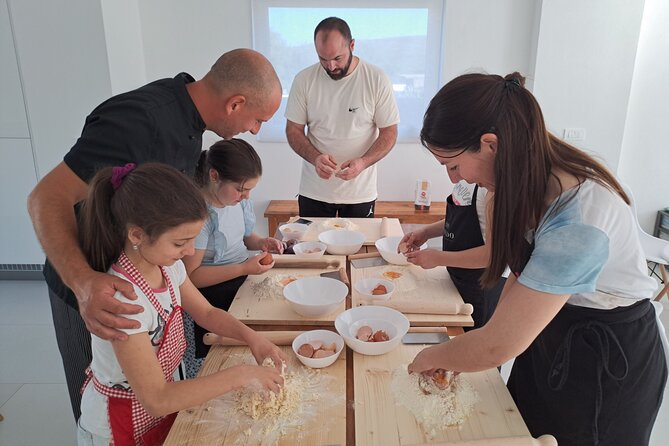
Fresh pasta tastes better when you make it. This three-hour class near Kotor brings you into a villa kitchen with Italian chef Giuseppe, where you mix, roll, cut, cook, and eat your own pasta. I like the choice between morning ravioli with spinach and ricotta or afternoon tagliatelle with ragù. I also like that the meal includes local Montenegrin wine and a printed recipe to take home.
The main point to consider is the meeting location in Đuraševići, not central Kotor. You will need to plan your way to the villa at 9MWM+5XJ, and the class follows a set morning or afternoon menu. That is a small trade-off for a private, hands-on meal hosted by Giuseppe and Monika.
Key points to know before booking
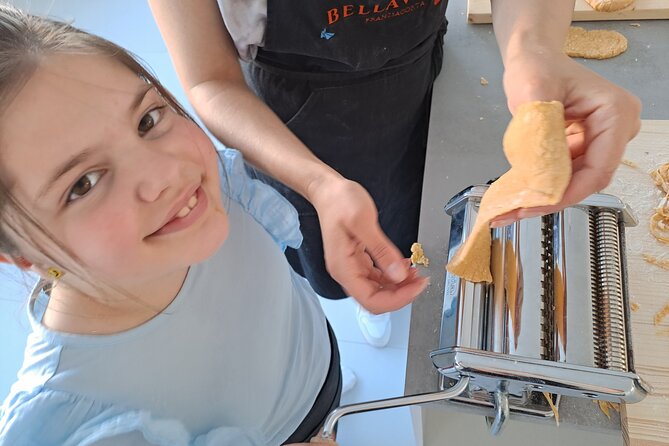
- Two pasta choices: Choose morning ravioli filled with spinach and ricotta, or afternoon tagliatelle served with ragù, also known as Bolognese sauce.
- A private class: Only your group participates, giving you direct time with Giuseppe and Monika rather than working in a large cooking-school crowd.
- Three hours from dough to dinner: You help prepare the sauce, make the pasta, cook it, and sit down to eat the finished dish.
- Local wine included: Your handmade pasta is served with a glass of Montenegrin wine.
- A useful souvenir: Everyone receives a printed recipe so you can repeat the meal at home.
- Simple cancellation terms: Cancel at least 24 hours before the start time for a full refund.
A pasta class with a real meal at the end
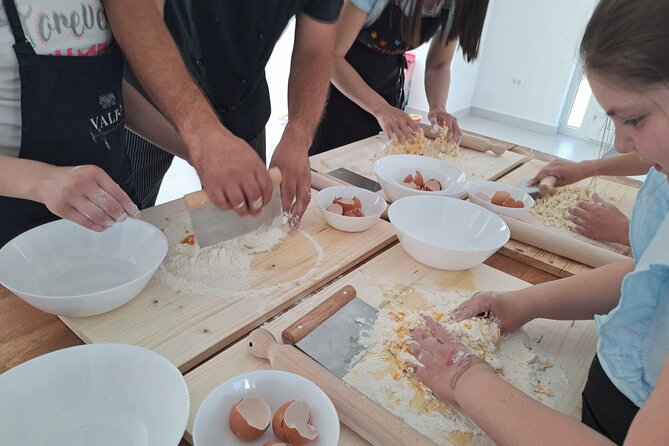
This is not a quick demonstration where you watch a chef work and then receive a small taste. You take part in the process from the first kitchen preparations to the final plate. That makes the class a good fit if you want an activity that gives you something to do, not just something to see.
The setting is a villa in Đuraševići, Montenegro, reached at the location code 9MWM+5XJ. The hosts welcome you, introduce you to the Italian chef Giuseppe, and help you settle in with the other members of your private group. The class lasts about three hours, so the pace should allow time for instruction, practical work, cooking, and a relaxed meal.
I especially like the way the food becomes the center of the experience. You are not simply learning a recipe in the abstract. You are preparing the sauce, handling the dough, and eating the results while the work is still fresh in your mind.
Monika and Giuseppe also receive strong praise for their friendly hosting. The useful detail here is not just that they are pleasant. They are described as patient and welcoming, which matters in a class where dough can be sticky, cutting can take time, and first attempts may not look perfect. Good instruction makes the difference between feeling rushed and enjoying the work.
More Fresh Pasta Workshops in the world:
- Rome: Pasta Making Class with Wine, Limoncello, and Dessert
★ 4.9 · 3,177 reviews - Pastamania – Florence Pasta Making Class
★ 5.0 · 3,050 reviews - Enjoy Spritz and Pasta Making in Piazza Navona
★ 5.0 · 1,681 reviews
Morning ravioli or afternoon tagliatelle
Your choice of session changes the dish you make. The morning class focuses on ravioli with spinach and ricotta filling, while the afternoon class makes tagliatelle with ragù. Think about the type of pasta you most want to learn before selecting your time.
Ravioli gives you a more detailed job. You make the pasta sheets, prepare the spinach and ricotta filling, place the filling, and shape the parcels. This option should suit you if you enjoy careful handwork and want to learn a filled pasta that feels special when served.
Tagliatelle is a different kind of lesson. You mix and roll the dough, cut it into ribbons, and prepare ragù to serve with it. The afternoon choice may appeal more if you want to learn a familiar Italian comfort dish from its basic ingredients.
The class description does not suggest that you can switch between both dishes, so choose your preferred pasta when booking. If you have a strong preference for ravioli or tagliatelle, the morning and afternoon schedule matters.
Preparing the sauce before touching the dough
The cooking begins with the sauce. You assist with its preparation while Giuseppe explains the process and the ingredients involved. This is a useful order because the sauce needs time to develop while you work on the pasta.
For the ravioli session, the filling centers on spinach and ricotta. For the tagliatelle session, you prepare ragù. The information provided does not give a full ingredient list or cooking timetable, so you should expect instruction at the stove without assuming a particular recipe beyond the named dish.
I like this part because it shows that pasta is not only about making dough. The sauce needs to be ready at the right point, and the class connects those two jobs. You get a better sense of how an Italian home meal comes together instead of learning one isolated technique.
The kitchen also becomes part of the experience. As the sauce cooks and the pasta takes shape, the smell of the meal fills the room. That simple pleasure is one reason a cooking class can feel more personal than a regular restaurant meal.
Rolling, cutting, and shaping your handmade pasta
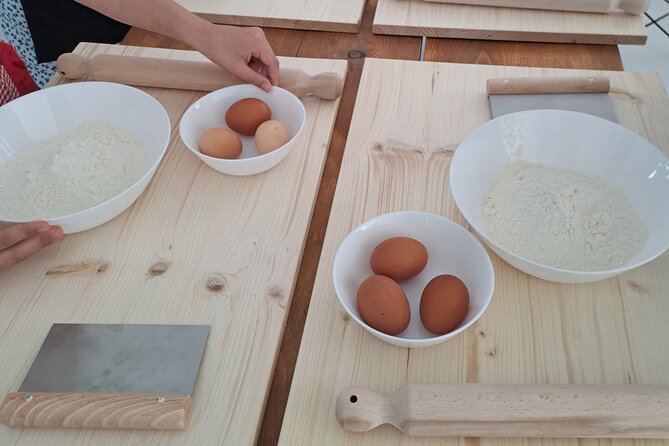
Once the sauce is ready, you move on to the pasta. You mix the dough, roll it, and cut it using safe food-cutting procedures. For ravioli, you also prepare and shape the filled pasta. For tagliatelle, you cut the rolled dough into ribbons.
This is the most hands-on section, and it is where the class earns its price. You are not only hearing how pasta is made. You are using your own hands to build the dish you will later eat.
Do not expect every piece to look like it came from an Italian kitchen on the first attempt. That is part of the point. A good class lets you learn through the process, and Giuseppe’s patient approach should help if your dough needs more work or your shapes are uneven.
The description notes safe cutting procedures, a helpful detail for families and anyone who feels unsure in an unfamiliar kitchen. It does not give an age requirement, so you should check directly if you are booking with young children.
The private format also matters here. Since only your group participates, you can ask questions and work at a pace suited to the people in your party. A private class is often easier for couples, families, and small groups who want to talk with the hosts rather than share a lesson with many strangers.
More Chef-Led Pasta Classes in the world:
- Rome Cooking Class: Make Pasta, Dine & Drink Wine With Local Chef
★ 5.0 · 1,263 reviews - 2-in-1 Pasta and Tiramisu Cooking Masterclass in Rome
★ 5.0 · 832 reviews - Pasta Fettuccine, Ravioli and Tiramisu MasterClass
★ 5.0 · 391 reviews - Pasta and Pizza Master Class with Pick Up in Sorrento
★ 5.0 · 380 reviews
Sitting down to eat what you made
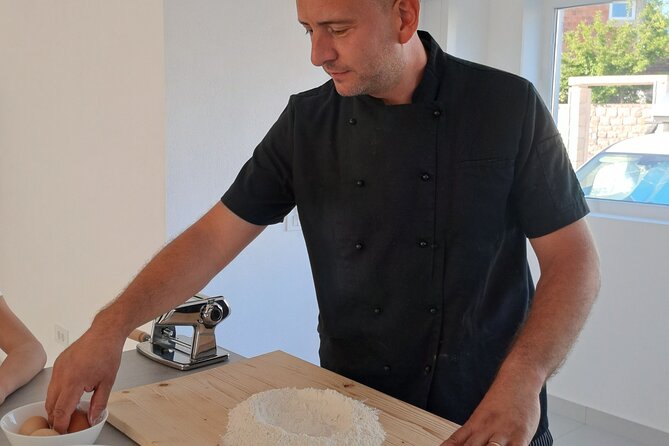
After the pasta is prepared, it is cooked and served. You then sit down with the hosts and your group to taste the finished dish, accompanied by a glass of local Montenegrin wine.
This final meal is more than a bonus. It gives the class a clear payoff. You can compare the finished pasta with the work you did earlier, and you get a chance to relax after standing and preparing food.
The meal also connects Italian cooking with your time in Montenegro. Giuseppe brings the Italian pasta lesson, while the wine adds a local touch. It is a modest but effective way to link the cooking experience to the place you are visiting.
The supplied information does not promise several courses, dessert, or unlimited wine, so I would treat the pasta and one glass of local wine as the core food offering. If you have dietary needs, tell the operator when you book. Specific changes may be possible, but they should be agreed in advance rather than assumed.
What makes the hosts part of the experience
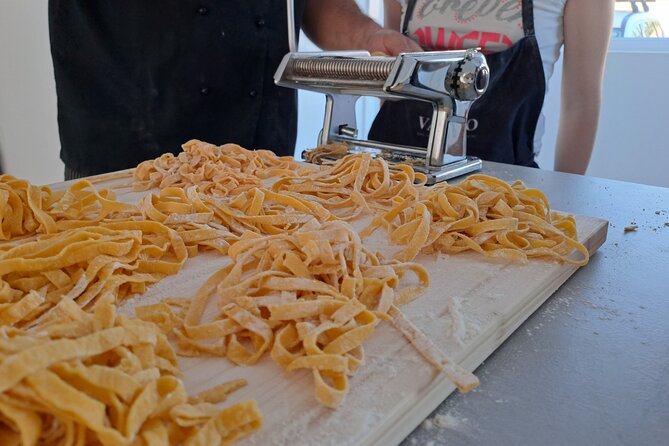
A cooking class depends heavily on the people running it. Here, Giuseppe is the chef, while Monika helps host the experience. The strongest praise centers on their warmth, patience, and friendly conversation.
That personal side is important because you spend about three hours with them. You are welcomed into their villa, introduced to the group, and guided through the work. A cold or rushed class would make even good food feel ordinary. The available feedback instead points to hosts who make people feel comfortable and included.
I also like that the hosts are presented as part of a home-based experience rather than as staff in a large commercial kitchen. You should expect a more personal setting, with conversation alongside the food preparation. If you prefer a formal school with professional workstations and a tightly timed lesson, this may feel more relaxed than you want.
The private arrangement makes the setting even more appealing for a special occasion. You can book it for your own group and share the work without being mixed into a larger public class. At the same time, the small private format means you should not expect the scale or equipment of a major culinary school.
Is $51.59 a fair price?
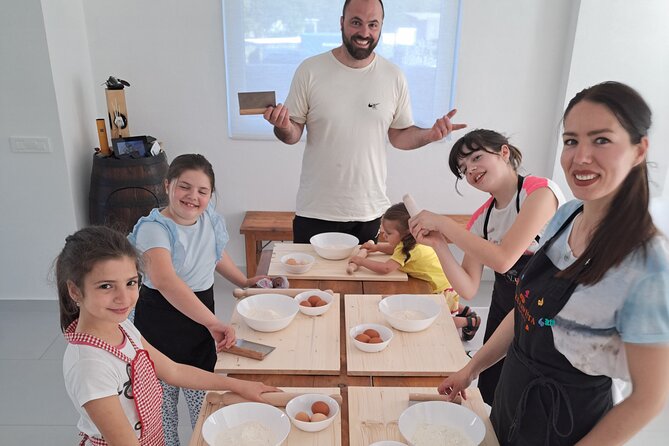
At $51.59 per person, this class offers reasonable value if you want more than a meal. The price covers about three hours of instruction and participation, the pasta you prepare, a glass of local wine, and a printed recipe. You also receive a private experience with an Italian chef and hosts in their villa.
If you simply want a cheap plate of pasta, this is not the right comparison. You are paying for the lesson, the time with Giuseppe and Monika, the work of preparing the dish, and the chance to repeat the recipe later. The printed recipe adds value after your trip because the experience does not end when you leave Montenegro.
The value depends on your interest in cooking. Someone who dislikes kitchen activities may find three hours too long, especially since the meal is based around one main pasta preparation. If you enjoy food, hands-on lessons, and meeting local hosts, the price is easier to justify.
The experience is booked an average of 16 days in advance, which suggests you should not leave it until the last minute during a busy visit. That is particularly important if you need a certain morning or afternoon session.
Getting to the villa in Đuraševići
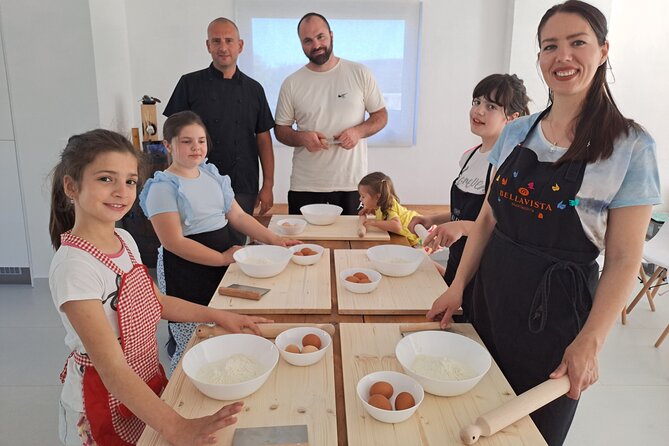
The meeting point is listed as 9MWM+5XJ, Đuraševići, Montenegro, and the activity ends at the same point. Since no transport service is described, you should plan how you will reach the villa before booking.
This location is the main practical consideration. If you are staying in central Kotor, check the travel time and directions carefully rather than treating the class as a walk-up activity from the Old Town. A map application should help you locate the plus code, but allow time to find the exact villa.
The benefit of meeting at a villa is the atmosphere. You are going to a home setting designed for cooking and hosting, not a generic meeting room. The drawback is that the location may require more planning than an activity beginning beside a central landmark.
You receive confirmation at the time of booking, and the ticket is mobile. Keep the confirmation available on your phone, especially since the address uses a plus code rather than a familiar attraction name.
Dietary needs, cancellations, and other practical points
Tell the operator about dietary requirements or restrictions when you book. The class may be able to discuss adjustments, but the provided information does not list specific alternatives, substitutions, or allergy procedures.
The hosts state that they are HACCP certified for food hygiene and safety in 2023. That gives you useful reassurance about the kitchen’s food-safety standards, though you should still explain allergies clearly before the class begins.
You can cancel for a full refund if you do so at least 24 hours before the experience start time. Cancellations made less than 24 hours in advance are not refunded, and changes inside that window are not accepted. The cut-off uses local Montenegro time, so check the start time before making changes.
The class is private, but the information does not state the maximum number of people in your group. You should ask if group size matters to you, especially if you are booking for a larger party.
Who should book this pasta class?
I would recommend this experience to you if you enjoy food, want a slower activity away from standard sightseeing, and like the idea of meeting hosts in a home setting. It is also a strong choice for couples, families, and small private groups who want to cook and eat together.
The morning session fits you if ravioli with spinach and ricotta sounds appealing and you enjoy shaping filled pasta. Choose the afternoon if tagliatelle and ragù are closer to your ideal Italian meal.
This class may not suit you if you want a short demonstration, a central Kotor meeting point, or a broad menu with several dishes. It also may not be the best pick if you have strict dietary restrictions that require detailed ingredient control, since the available information only says to advise the operator at booking.
Should you book it?
Book this class if you want a personal food experience with a clear result: handmade pasta, a glass of Montenegrin wine, and a recipe you can use at home. The strongest reasons to go are the private format, the friendly hosts Monika and Giuseppe, and the chance to work through the entire process rather than simply watch.
Before you commit, confirm the route to Đuraševići, choose the correct morning or afternoon pasta, and share any dietary needs early. If those details work for you, $51.59 buys a useful three-hour activity and a meal with a story behind it.
FAQ
Where does the pasta class take place?
The meeting point is 9MWM+5XJ in Đuraševići, Montenegro. The activity ends back at the same meeting point.
How long does the experience last?
The class lasts approximately three hours.
How much does the class cost?
The listed price is $51.59 per person.
What pasta can I make?
The morning session prepares ravioli with spinach and ricotta filling. The afternoon session prepares tagliatelle with ragù, also known as Bolognese sauce.
Is the class private?
Yes. Only your group participates in the activity.
Is wine included?
Yes. The finished pasta is served with a glass of local Montenegrin wine.
Do I receive a recipe?
Yes. Each participant is offered a printed recipe for the handmade pasta at the end of the course.
Can I share dietary requirements?
Yes. You should advise the operator about dietary requirements or restrictions when booking.
Can I cancel for a full refund?
Yes. You can receive a full refund if you cancel at least 24 hours before the experience start time. Cancellations or changes made less than 24 hours before the start are not accepted.
Just added around the world
- Verona: Tortellini Cooking Class and Lunch with Mamma Ivana★ 5.0 · 20 reviews
- Volterra: Fresh Pasta Cooking Class at a Tuscan Farmhouse★ 5.0 · 33 reviews
- Vicenza: Pasta & Tiramisu Cooking Class at a Local’s Home★ 5.0 · 5 reviews
- Verona: Pasta Cooking Class with Wine Tasting★ 5.0 · 4 reviews
- Verona: Pasta & Tiramisu Cooking Class at a Local’s Home★ 5.0 · 16 reviews
- Venice: Share Your Pasta Love in a Local’s Home★ 4.8 · 20 reviews
- Verona: Prosecco and Pasta Making Class at a Local’s Home★ 5.0 · 10 reviews
- Verona: My Granny’s secrets making gnocchi★ 5.0 · 7 reviews
Fresh Pasta Workshops, compared.
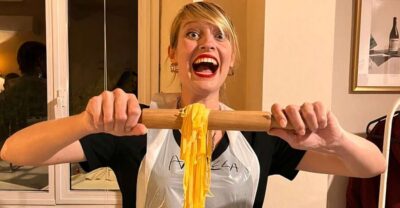
Pasta Making Class with Wine, Limoncello, and Dessert
Read our review →
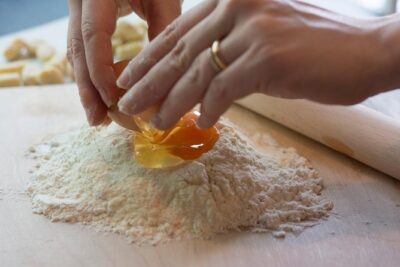
Enjoy Spritz and Pasta Making in Piazza Navona
Read our review →
Pasta Making & Wine Tasting with Dinner in Frascati from Rome
Read our review →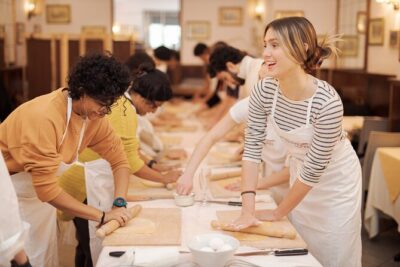
The Secrets to Learn Fresh Pasta and Tiramisù in a Glam Home
Read our review →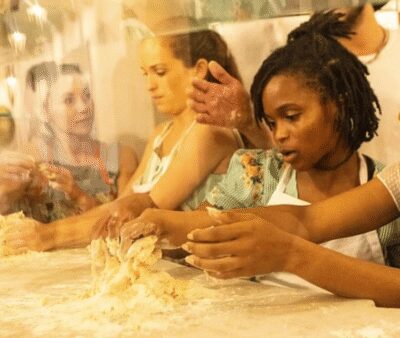
Pasta Making with Wine Tasting and Dinner in Frascati
Read our review →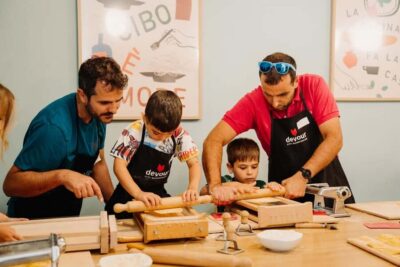
Browse the lists this tour appears in