
Review · ITALY
Make Tagliatelle & Tiramisù at a Historic Villa (3-Course Meal)
Fresh pasta tastes better when you make it yourself. This three-hour class near Bologna brings you to a former hunting lodge for a hands-on lesson in Emilia-Romagna cooking, followed by a full meal. I like the small maximum of 12 people, which should leave room for personal help, and I like the mix of food, family recipes, and villa setting rather than a lesson held in an ordinary cooking studio.
The main consideration is the price: $295.07 per person is a serious spend for a three-hour activity. You also need to reach Via Giuseppe Tanari in Castel San Pietro Terme for the 11:00 a.m. start, and wine is not included, though you can bring your own beer or wine.
Key points at a glance
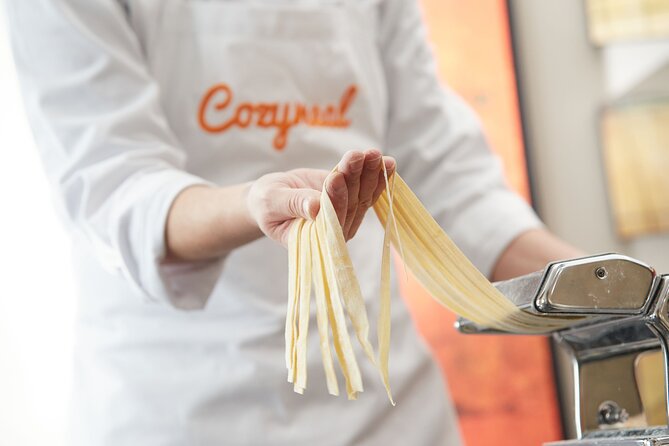
- Make the pasta by hand: You prepare fresh egg tagliatelle, then serve it with slow-cooked ragù made with pancetta, carrots, and white wine.
- Eat a proper three-course meal: The menu moves from fried crescentine with mortadella and Parmigiano-Reggiano to pasta and tiramisù.
- Cook inside a former hunting lodge: The villa gives the class a sense of place that a standard restaurant kitchen cannot match.
- Keep the group small: The maximum is 12 people, a useful number for a practical lesson where you need to see and try each step.
- Bring your own bottle: This is a BYOB activity, so you can pair the meal with wine or beer you choose.
- Plan for dietary needs early: The class can accommodate a range of dietary restrictions if you provide notice before the experience.
Why this class feels tied to Emilia-Romagna
Bologna is famous for food that depends more on patient technique than fancy presentation. Egg pasta, meat ragù, mortadella, Parmigiano-Reggiano, mascarpone, and espresso all belong to the everyday cooking culture of Emilia-Romagna. This class puts those staples on one table and lets you work with them directly.
That matters because a cooking lesson can easily become a quick demonstration followed by lunch. Here, the central dish is something you actively make: tagliatelle al ragù. You are not simply watching a chef roll pasta and then eating a plate prepared out of sight. The point is to understand how the dough becomes ribbons and how those ribbons meet a sauce built for them.
The setting adds another layer. The class takes place at a villa that was once a hunting lodge. The exact details of the building’s history are not provided, but the setting clearly matters to the experience. You get an old local backdrop, a connection to the surrounding area, and a meal served in a place with more character than a commercial classroom.
The host is described as warm and passionate about Bolognese cuisine. Family recipes and local dishes are part of the conversation, so the class is not only about getting the measurements right. It is also about seeing how food passes from one generation to the next.
More Tiramisu Classes in Italy:
- 3 in 1 Cooking Class near Navona: Fettuccine, Ravioli & Tiramisu
★ 5.0 · 7,376 reviews - Florence: Pasta & Tiramisu Cooking Class with Unlimited Wine
★ 4.9 · 6,708 reviews - Rome: Pasta & Tiramisu Class with Fine Wine by the Vatican
★ 4.9 · 4,852 reviews
Starting with crescentine, mortadella, and Parmigiano
The first course is crescentine, a warm fried dough with a soft, pillowy texture. It is served with slices of mortadella and generous shavings of Parmigiano-Reggiano.
This is a smart opening course because it gives you an immediate taste of the region before the main pasta work begins. Mortadella is strongly linked with Bologna, while Parmigiano-Reggiano brings the salty, nutty flavor that appears throughout northern Italian cooking. The fried dough provides the warm, comforting part of the equation.
Crescentine may be less familiar to you than pizza or focaccia, which makes it a useful local detail. It is not just bread placed beside the meal. It is a regional preparation with its own texture and cooking method. The dish also suits a social table: tear off a piece, add mortadella, and finish with cheese.
You should expect the class to treat this as the starter in a complete meal, not the main lesson. The pasta is the star of the hands-on work. Still, the opening course helps you understand the food culture you are about to cook. Emilia-Romagna cooking often relies on a few excellent ingredients used with care, and this plate follows that rule.
Making tagliatelle al ragù from fresh egg pasta
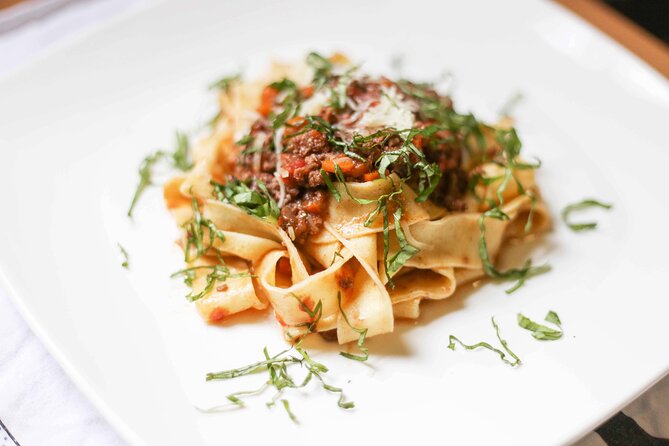
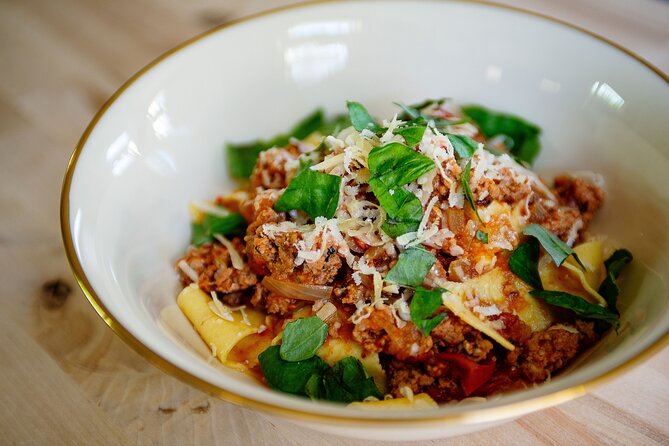
The pasta course is the reason most people will book this experience. Tagliatelle al ragù combines fresh egg pasta ribbons with a slow-simmered meat sauce made with pancetta, carrots, and white wine.
Fresh tagliatelle is different from dried pasta in both texture and preparation. The dough must be handled, rolled, and cut into even ribbons. That work gives you a direct sense of why homemade pasta matters in Bolognese cooking. You see the ingredient change from a simple dough into the shape that carries the sauce.
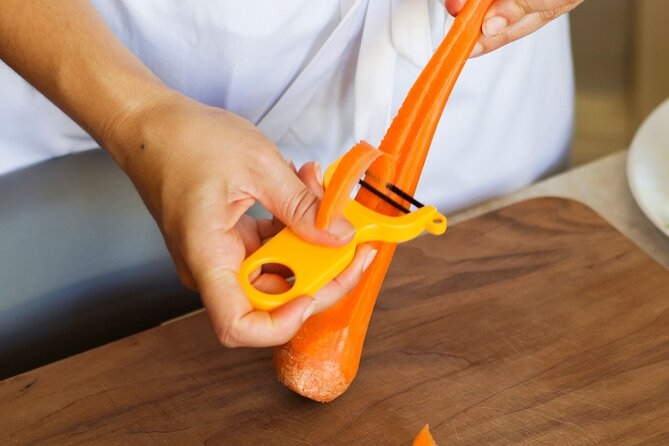
The ragù is equally important. This is not a quick tomato sauce. Pancetta adds savory depth, carrots bring sweetness, and white wine adds another layer to the long simmer. The sauce is designed to cling to broad, fresh ribbons rather than slide off them.
I like this pairing because it teaches a useful cooking idea: shape and sauce need to make sense together. You are not learning pasta as a craft project alone. You are making a specific noodle for a specific regional sauce.
The class also gives you something useful to take home. A recipe is provided as a keepsake, which means you can try the dish again after leaving Italy. That adds value to the price, especially if you treat the experience as both a meal and a practical lesson.
Do not expect a quick shortcut lesson. The activity lasts about three hours and includes three courses, so the pace should allow time for preparation, cooking, and eating. If you want only a short pasta demonstration, this is more than you need. If you want to understand the process and sit down to enjoy what you made, the length makes sense.
Ending with classic tiramisù
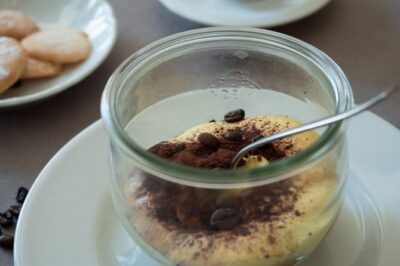
Dessert is tiramisù, made with savoiardi soaked in espresso, whipped mascarpone, and farm-fresh eggs, then finished with cacao.
The dish is familiar around the world, but making it yourself lets you see why the balance matters. The biscuits need enough coffee to soften without collapsing, while the mascarpone mixture must remain light enough to contrast with the espresso. The cacao gives the final bitter note that keeps the dessert from becoming too sweet.
This is a good finish for a pasta class because much of the preparation can happen before the meal reaches its final course. It also brings together ingredients that feel strongly Italian: espresso, mascarpone, eggs, and cacao.
The description specifically notes farm-fresh eggs, which adds a local touch to a dessert that is often treated as a generic restaurant staple. You should not expect a complicated pastry lesson. Instead, you get a classic family-style dessert and a clear recipe you can repeat at home.
More Ravioli and Gnocchi Classes in Italy:
- Rome: 3-in-1 Fettuccine, Ravioli, and Tiramisu Cooking Class
★ 4.9 · 2,704 reviews - Rome: Fettuccine Pasta Cooking Class in Rome’s City Center
★ 4.8 · 2,414 reviews - Become a Masterchef in Rome: Pasta, Ravioli and Tiramisù Class
★ 5.0 · 2,156 reviews - Fettuccine & Tiramisù: Cooking Class with Wine & Limoncello
★ 4.9 · 2,103 reviews
The villa setting and the view
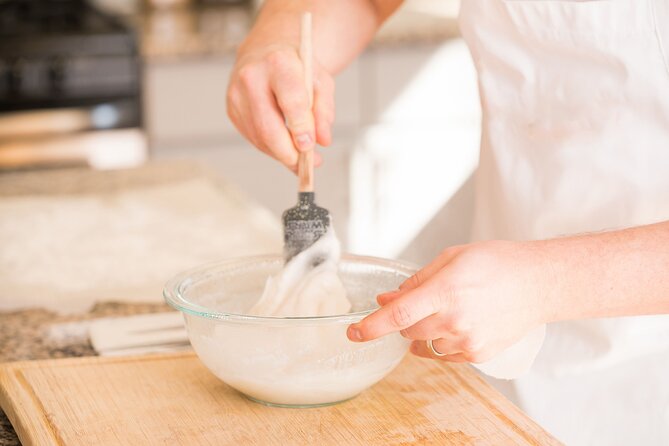
The food would be the reason to book this class, but the villa helps make the day memorable. The former hunting lodge provides an old-world setting, and the class includes a view that has been praised as part of the experience.
That setting changes the mood. Cooking in a historic villa feels slower and more personal than standing at a busy demonstration counter. It gives you time to notice the building, the surroundings, and the connection between the meal and the region.
At the same time, the villa should not be treated as a sightseeing stop with a full guided tour. The supplied information focuses on cooking, food, and family history rather than a formal architectural visit. If your priority is detailed information about the building, you may find the culinary side more developed than the historical explanation.
The location is in Castel San Pietro Terme, at Via Giuseppe Tanari. The meeting point is not in central Bologna, so check your route carefully before booking. The experience begins at 11:00 a.m. and ends back at the same meeting point. Since no transport is included in the supplied details, you should arrange your own way there and allow enough time to arrive before the lesson starts.
What the small group means for your day
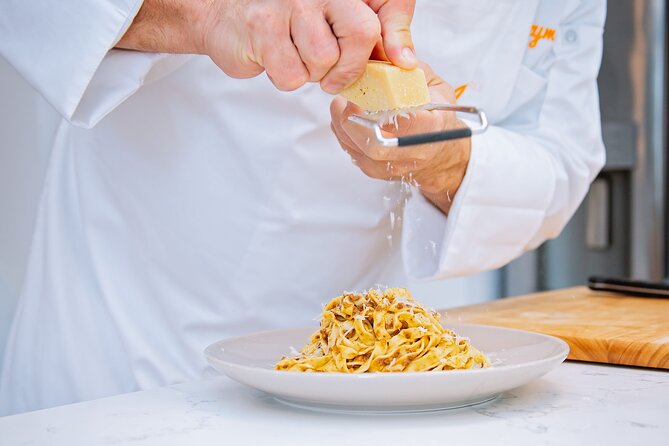
The maximum group size is 12 people. That is small enough to make a practical difference in a cooking class. You have a better chance of seeing how the pasta is handled, asking questions, and getting help when the dough or sauce needs attention.
A group of 12 is not private, so you should still expect to share the cooking space and meal with other people. The advantage is social without being oversized. The class can feel like a shared table rather than a lecture hall.
The host’s warmth is a major part of the appeal. The experience is described as welcoming, with attention to Bolognese dishes and family recipes. That suits you if you enjoy learning through conversation and want food stories alongside instructions.
English is offered, which removes a major language barrier for English-speaking visitors. Still, cooking relies on watching, touching, and tasting as much as listening, so the format should remain practical even when terms such as pasta shapes or local ingredients are unfamiliar.
Price, BYOB details, and overall value
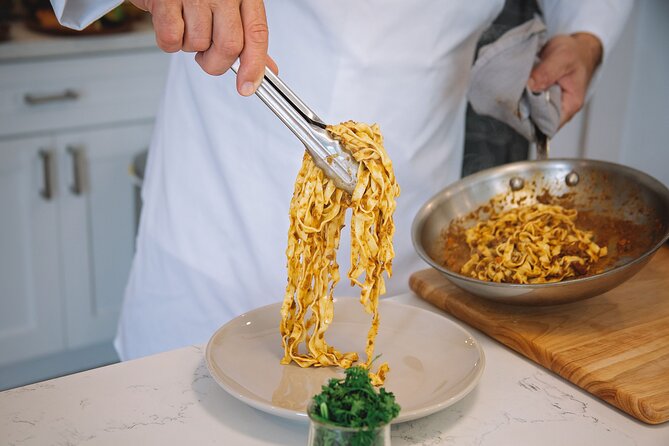
At $295.07 per person, this is not a budget lunch. You are paying for a three-hour cooking experience, a three-course menu, instruction, the villa setting, and a recipe to keep. You are also paying for a small group rather than a large class built around speed.
The value depends on what you want from your time near Bologna. If you only want to eat tagliatelle and tiramisù, a restaurant will cost less and require less planning. If you want to learn the process, cook with a host, and enjoy the food in a historic setting, the price becomes easier to justify.
The included menu is substantial. You begin with crescentine, mortadella, and Parmigiano-Reggiano, continue with homemade tagliatelle and meat ragù, and finish with tiramisù. That is more than a snack or tasting. It is a full meal built around regional dishes.
Wine and beer are not included, but you may bring your own. This BYOB policy can work in your favor. You can choose a bottle that suits your taste and avoid paying a restaurant markup. Remember to bring it yourself, since the class does not provide it as part of the listed package.
Dietary needs and practical planning
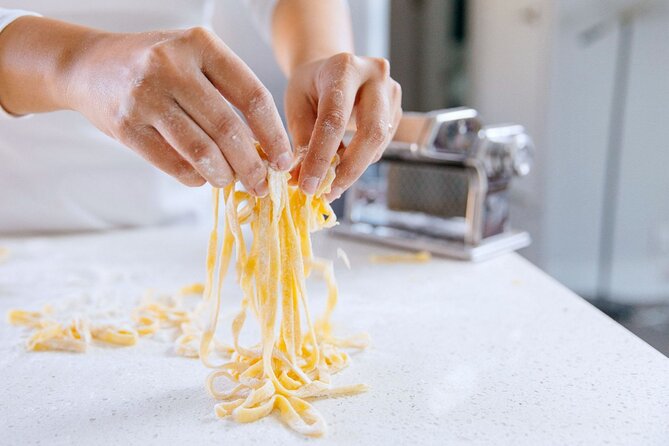
The class is designed to accommodate a variety of dietary needs, provided you give advance notice. This is important because the menu contains several ingredients that may need adjustment, including meat, dairy, eggs, gluten, and alcohol in the ragù.
Do not wait until the morning of the class to raise a restriction. Contact the provider before the experience and explain what you need. The supplied information says the team will do its best to tailor the class, but it does not promise that every request can be met.
Service animals are allowed. A mobile ticket is provided, and confirmation is received at booking. The activity ends where it starts, at the villa meeting point.
Free cancellation is available if you cancel at least 24 hours before the local start time. Cancellations made inside that window are not refunded, and late changes are not accepted. The class also requires a minimum number of people, so a cancellation by the provider may result in another date, another experience, or a full refund.
Who should book this cooking class
I would point this experience toward you if you enjoy food lessons that lead to a real meal. It is especially suited to couples, families, and small groups who want to make pasta together rather than simply watch a chef work.
It also fits people who care about regional food. The menu is focused and local, with Bolognese mortadella, Parmigiano-Reggiano, fresh egg pasta, meat ragù, and tiramisù. You are not jumping from one country’s cuisine to another. You are spending the class on a small group of dishes that define the area.
The class may be less suitable if you have limited time in the Bologna area, cannot easily reach Castel San Pietro Terme, or want a low-cost activity. It may also disappoint you if you expect a formal tour of the villa. The emphasis is cooking, conversation, and eating.
Should you book this villa cooking experience?
Book it if you want more than a restaurant meal and can make room in your budget for a three-hour food experience. The strongest reasons are the small group, the welcoming host, the chance to prepare real tagliatelle, and the historic villa setting.
Skip it if you mainly want sightseeing, need a central Bologna meeting point, or prefer to spend $295.07 on several inexpensive meals. For the right cook, though, this offers something a restaurant cannot: the skill, recipe, and memory of making a Bolognese meal with your own hands.
FAQ
Where does the cooking class take place?
It takes place at Via Giuseppe Tanari, 2013, 40024 Castel San Pietro Terme BO, Italy, in Emilia-Romagna.
What time does the class begin?
The experience starts at 11:00 a.m.
How long does the cooking class last?
The class lasts approximately three hours.
What dishes are included?
The three-course menu includes crescentine with mortadella and Parmigiano-Reggiano, tagliatelle al ragù, and tiramisù.
Is the class offered in English?
Yes. English is one of the offered languages.
Can I bring wine or beer?
Yes. This is a BYOB activity, so you may bring wine or beer to enjoy during the class.
Can dietary restrictions be accommodated?
The class is designed to accommodate a variety of dietary needs. You should provide your requirements in advance so the team can try to tailor the experience.
What is the cancellation policy?
You can cancel for a full refund up to 24 hours before the experience start time. Cancellations or changes made less than 24 hours in advance are not accepted for a refund.
More History Tours in Italy
- Italian Pasta & Dessert Class in Historic Center (3-Course Meal)
★ 5.0 · 2 reviews
Just added around Italy
- Verona: Tortellini Cooking Class and Lunch with Mamma Ivana★ 5.0 · 20 reviews
- Volterra: Fresh Pasta Cooking Class at a Tuscan Farmhouse★ 5.0 · 33 reviews
- Vicenza: Pasta & Tiramisu Cooking Class at a Local’s Home★ 5.0 · 5 reviews
- Verona: Pasta & Tiramisu Cooking Class at a Local’s Home★ 5.0 · 16 reviews
- Verona: Pasta Cooking Class with Wine Tasting★ 5.0 · 4 reviews
- Venice: Share Your Pasta Love in a Local’s Home★ 4.8 · 20 reviews
- Verona: Prosecco and Pasta Making Class at a Local’s Home★ 5.0 · 10 reviews
- Verona: My Granny’s secrets making gnocchi★ 5.0 · 7 reviews
Tiramisu Classes, compared.
3 in 1 Cooking Class near Navona: Fettuccine, Ravioli & Tiramisu
Read our review →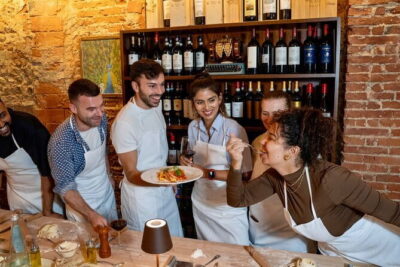
Pasta & Tiramisu Cooking Class with Unlimited Wine
Read our review →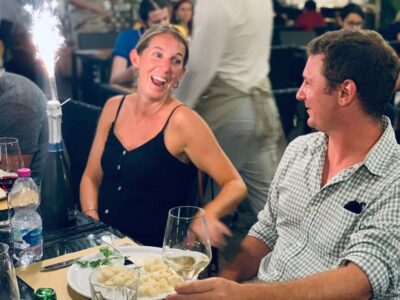
Pasta & Tiramisu Class with Fine Wine by the Vatican
Read our review →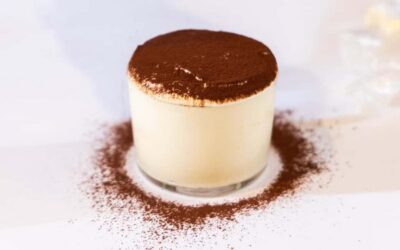
3-in-1 Fettuccine, Ravioli, and Tiramisu Cooking Class
Read our review →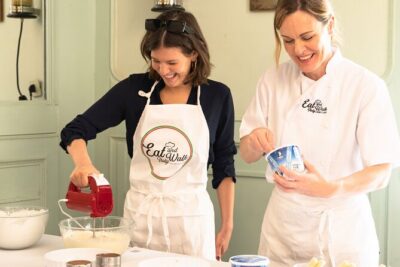
Learn to Make Pasta & Tiramisu with Wine and Limoncello Included
Read our review →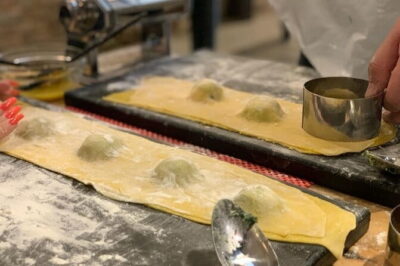
Cooking Class Pasta & Tiramisu Making Unlimited Wine
Read our review →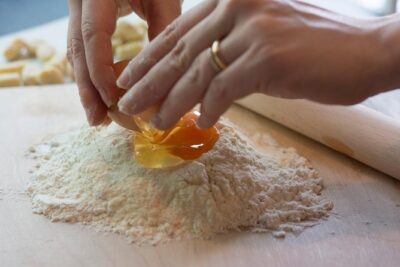
Become a Masterchef in Rome: Pasta, Ravioli and Tiramisù Class
Read our review →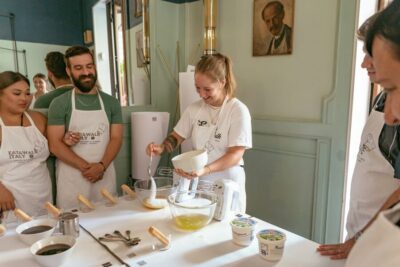
Fettuccine & Tiramisù: Cooking Class with Wine & Limoncello
Read our review →Browse the lists this tour appears in