
Review · MILAN
Milan: Pasta and Tiramisu Small Group Cooking Class with Wine
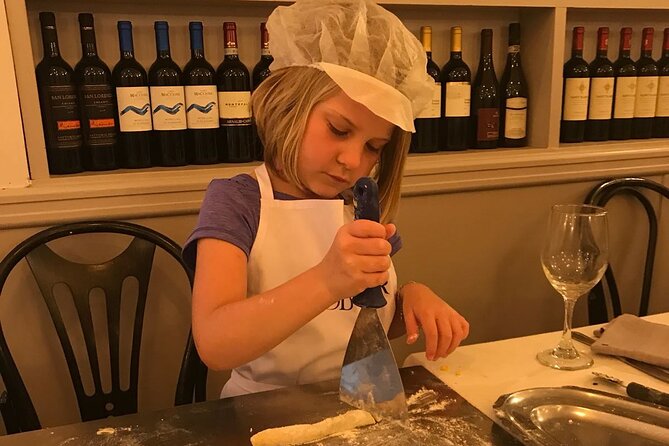
Fresh pasta is Milan’s tastiest souvenir. This three-hour class puts you at a kitchen workstation in a central restaurant, where you make pasta dough, shape noodles, prepare tiramisu, and then sit down to eat. I like the small group of no more than 12 and the warm, social format. I also like that the class teaches useful basics, such as flour choices and the difference between fresh and dried pasta. The main catch is that you shape the pasta, but the restaurant team cooks it, and one account says the finished pasta may be combined for the whole group.
The $83.44 price includes lunch or dinner, Prosecco, wine, soft drinks, pasta, and tiramisu. That makes it a fair deal for a three-hour activity in central Milan, especially if you want more than a restaurant meal. Just keep your expectations clear: this is a guided kitchen lesson with a meal afterward, not a full professional cooking course.
What makes this Milan cooking class worth considering
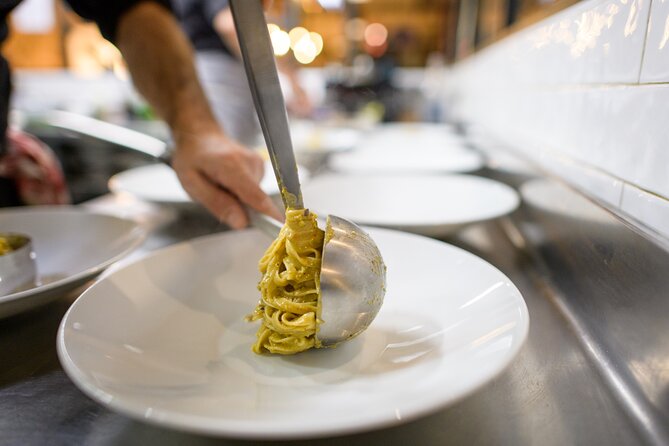
- You make two classic Italian dishes: fresh pasta from scratch and tiramisu, with hands-on work at your own station.
- The class stays intimate: the maximum group size is 12, so the instructor can offer help without turning the lesson into a stage show.
- You learn practical pasta basics: flour types, pasta fresca, pasta secca, dough preparation, rolling, and cutting.
- The meal and drinks are included: expect fettuccine with tomato sauce, ricotta and spinach ravioli with butter and sage, tiramisu, Prosecco, wine, and non-alcoholic drinks.
- The class works for families and couples: children have taken part successfully, including a 12-year-old and younger children.
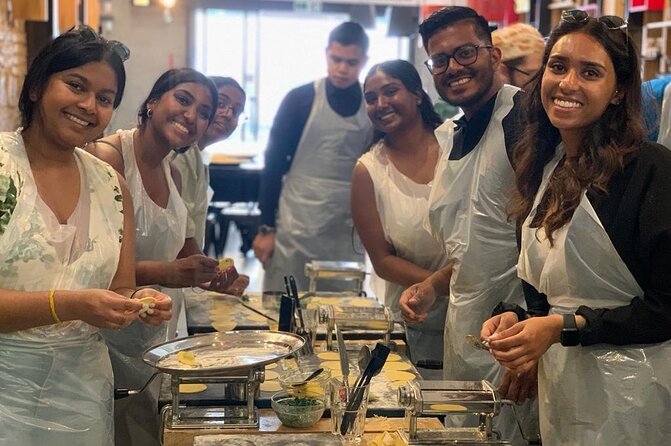
- The social side is part of the appeal: you cook beside people from other places, then share the meal at one table.
Starting with Prosecco in central Milan
You arrive at the meeting point, step inside the restaurant, and receive a welcome glass of Prosecco. That small touch sets the tone. This is meant to feel like a relaxed food outing, not a stern lesson where everyone nervously watches the clock.
The venue is described as a popular restaurant in central Milan, close to public transportation. One account places the restaurant near the Navigli canals, a pleasant setting for a meal, though the exact restaurant details can depend on the scheduled venue. Check your booking information for the meeting point before setting out.
The opening also gives you a glimpse behind the scenes of an Italian restaurant. You see how the kitchen works before tying on an apron and moving to your workstation. That connection matters. You are not simply sitting at a table while a chef performs in front of you. You get a look at the working restaurant and then take part in a small piece of its daily rhythm.
The class is offered in English. Guides named in the feedback include Francesco, Mimmo, Memmo, Federico, Dimitri, Damiano, and Chef Alba. The names suggest that the exact instructor can vary, but the strongest pattern is clear: the teachers are lively, patient, and willing to help.
More Pasta Classes with Wine in Milan
- Milan: Pasta and Tiramisu Cooking Class with Wine
★ 4.8 · 1,106 reviews - Gnocchi, Pasta, Tiramisù and Wine Class
★ 5.0 · 691 reviews - Milan: Pasta Class with Gelato or Tiramisù & Unlimited Wine
★ 4.9 · 233 reviews
Making pasta dough, flour by flour
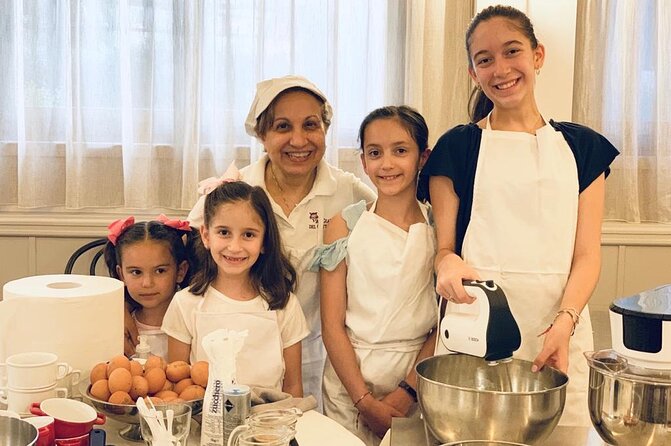
The pasta lesson begins with the dough. You learn which flour to use, how the dough should feel, and how fresh pasta differs from dried pasta. These are the details that help you recreate the dish later, rather than simply copy a recipe once and forget it.
You make your own dough, roll it out, and cut it into noodles. That hands-on sequence is the heart of the class. You can feel when the dough is too firm, too sticky, or ready to work. A recipe can tell you measurements, but it cannot always tell you what the dough should feel like under your hands.
The lesson covers two pasta dishes:
- Fettuccine with tomato sauce
- Ricotta and spinach ravioli with butter and sage
The class material indicates that you learn the pasta process and then the restaurant prepares the pasta for the meal. That distinction is important. You are not running the kitchen’s boiling pots or plating every course yourself.
One account found this limitation disappointing, noting that the pasta prepared by the class was combined rather than served as each person’s separate batch. Other accounts describe the staff cooking the pasta and serving it with a choice of sauce. I would treat this as a cooking workshop with restaurant service, not a completely independent cook-and-serve session.
That arrangement has a practical upside. You can concentrate on making the dough and shaping the pasta without worrying about timing, boiling water, or a crowded stove. It also means your final plate may not be a direct, individual portion of the exact noodles you rolled. If that detail matters to you, ask the instructor how the class handles the pasta on your date.
Ravioli, sauces, and the meal you actually eat
The pasta menu gives you two different textures and techniques. Fettuccine teaches the pleasure of rolling and cutting long strands. Ravioli introduces filled pasta and the care needed to seal it properly.
The ricotta and spinach ravioli comes with butter and sage, a simple sauce that lets the filling and pasta do the work. The fettuccine comes with tomato sauce. One particularly useful food tip is to consider amatriciana sauce if it is available. It was praised as a good match for the red wine served with the meal.
You may not choose every detail of the menu, but the pair of dishes gives you a good introduction to two familiar Italian styles. It also makes the meal more substantial than a class centered on one small tasting.
The drinks are part of the value. Prosecco welcomes you at the start, and wine is served with the meal. White wine, red wine, and non-alcoholic drinks are listed as available, so you are not limited to alcohol. Water and other soft drinks were also provided during some classes.
The restaurant team handles the cooking and service, which keeps the final meal comfortable. Still, the operation has a possible weak spot. One account describes slow service and long explanations, with the restaurant serving regular diners alongside the class. If your schedule is tight, do not place an important museum booking or train departure immediately afterward.
Tiramisu is the easy crowd-pleaser
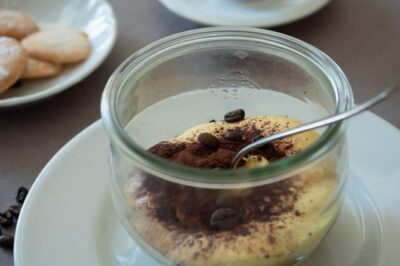
After the pasta work, you learn how to prepare tiramisu. This makes sense as the second dish because it requires different skills from pasta. You move from kneading and rolling to mixing, layering, and balancing the creamy filling with the coffee-soaked elements.
The tiramisu portion is hands-on, though the class does not provide a full technical breakdown in advance. You should expect a guided preparation rather than a pastry-school lesson. One amusing account admits that the mascarpone mixture was so good that too much was eaten before the dessert was finished. That is a respectable kitchen mistake.
The dessert is one of the class’s safest bets. Even people less interested in pasta usually enjoy learning how a familiar Italian dessert comes together. It also travels well as a home recipe because the ingredients and method are easier to repeat than a complicated filled pasta.
At the end, you sit down with the group for the meal. You eat the pasta dishes and tiramisu you prepared, or the class’s combined finished portions, depending on how the kitchen organizes the session. The shared table turns the class into both a meal and a social event.
More Tiramisu Classes in Milan
- The Secrets to Learn Fresh Pasta and Tiramisù in a Glam Home
★ 5.0 · 1,182 reviews - Milan: Fresh Pasta & Tiramisù Class in a Glamorous Home
★ 4.9 · 478 reviews - Milan Culinary Experience: Pasta & Gelato or Tiramisù Class
★ 5.0 · 337 reviews - Milan: Traditional Pasta and Tiramisù Masterclass
★ 5.0 · 307 reviews
Why the 12-person limit matters
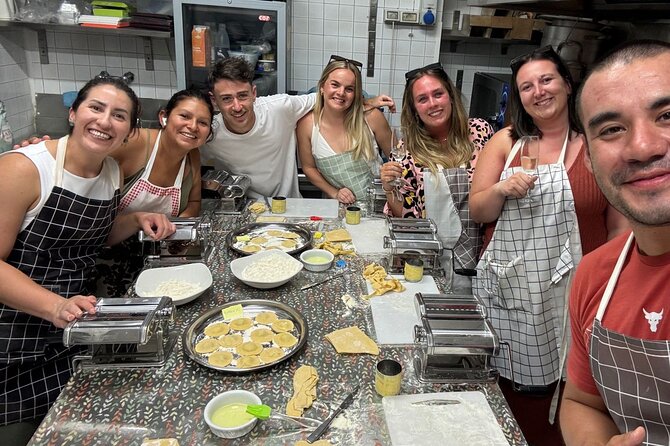
A maximum of 12 people is a useful size for this sort of activity. You have enough company to make conversation, but the class is not so large that the instructor must shout every instruction across a room.
The social rhythm seems to be one of the best parts. People may arrive quiet, then warm up while rolling dough and comparing results. The shared meal gives everyone a natural reason to keep talking. If you are traveling alone, this is a good way to spend an evening without booking a formal group dinner.
Couples also fit easily into the format. You can work together or at separate stations, then share the meal with the rest of the table. Families are welcome as well. A 12-year-old was able to take part independently, and a family with children ages 9, 7, and 5 had a positive time. Younger children may need help with the dough and tools, but the activity is presented as suitable for families of all ages.
The group size can vary below the stated maximum. One couple happened to find themselves in a class with only two people, while other sessions had enough people for a lively table. That variation can change the feel of the class, but the basic format remains the same.
The instructors make or break the lesson
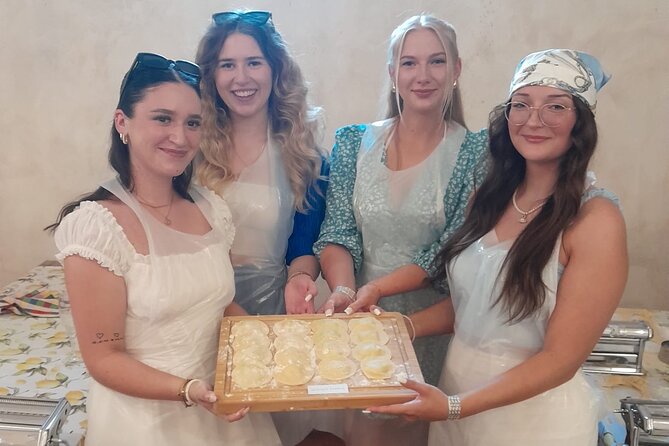
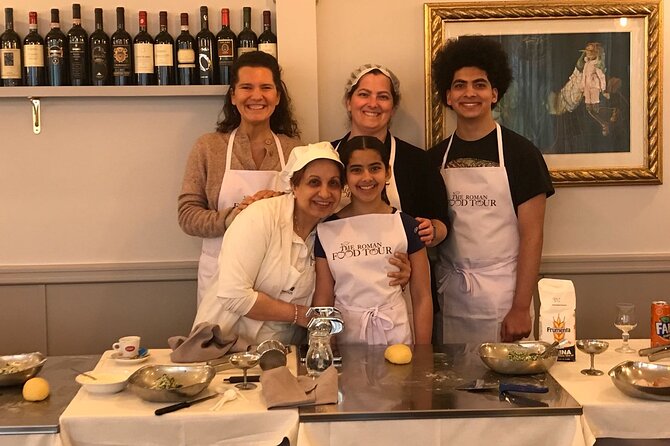
The most praised part of the class is the teaching. Francesco is repeatedly described as funny, engaging, and clear. Memmo is praised for patience and useful instruction. Chef Alba received similar credit for clear demonstrations, while Mimmo and Damiano were described as welcoming and helpful.
That matters because pasta dough can make beginners feel clumsy. A good instructor shows you how to correct a mistake without making the mistake feel like a failure. The best accounts describe chefs who moved around the room, answered questions, and gave useful tips rather than simply delivering a fixed speech.
The class is also dependent on the particular instructor and the pace of the restaurant. Most accounts describe a friendly teacher and an enjoyable meal, but one account found the explanations too long and the service too slow. I would allow the full three hours, and possibly a little extra time if you have evening plans.
English is the stated language, and the instructors are described as speaking English well. That makes the lesson accessible even if you know only a few Italian food terms.
Is $83.44 a fair Milan food experience?
At $83.44 per person, this is not the cheapest pasta meal in Milan. You can find a plate of pasta for far less. But that comparison misses the point. You are paying for instruction, ingredients, a welcome drink, a meal, wine, soft drinks, and three hours in a central restaurant.
I think the value is strongest if you want an activity that combines food and conversation. The class gives you something to do before dinner, teaches skills you can use at home, and ends with a complete meal. It can also replace a separate lunch or dinner reservation.
The value is weaker if you mainly want to eat excellent pasta with no delay. The restaurant’s normal service and the class can compete for attention. You may also feel shortchanged if you expect to cook your own pasta all the way through and receive a clearly separate serving.
For a family, the price can make sense because everyone has a shared activity rather than simply sitting through another restaurant meal. For a solo visitor, the included food and drinks help justify the cost, especially since the class creates an easy social setting.
Who should book this class?
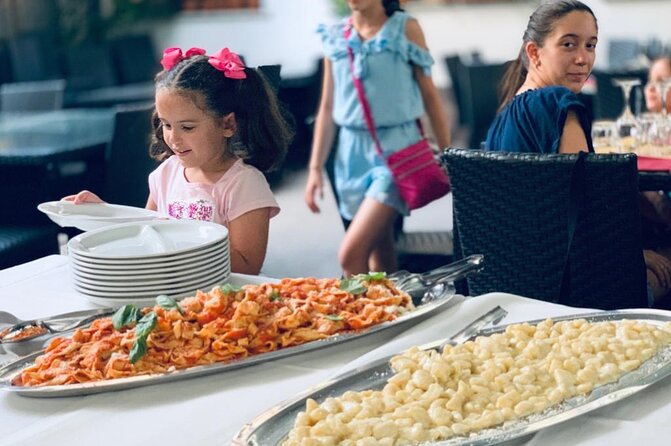
I would choose this for families with children, couples wanting a relaxed food activity, and solo visitors who enjoy meeting people over a meal. It is also a good pick if you want a practical Milan memory you can repeat at home.
You should have enough time to stand, roll dough, and take part in the preparation. The class is not described as physically demanding, but it is more active than a standard tasting.
I would hesitate if you need a tightly timed schedule, want a serious chef-training session, or care deeply about eating the exact pasta you personally made. The mixed final serving and restaurant-style cooking are the two details most likely to affect your satisfaction.
Booking around 26 days ahead is the usual pattern, so do not leave it until the last evening of a short Milan stay. Confirmation arrives at booking, and free cancellation is available up to 24 hours before the start time. Cancellations or changes inside that window are not accepted for a refund.
Should you book the pasta and tiramisu class?
Yes, if your ideal Milan meal includes flour on your hands, a glass of Prosecco, and a table of new people. The class earns its strong reputation through friendly instructors, useful pasta lessons, tasty food, and a welcoming mood.
Go in expecting to prepare and shape the food, then let the restaurant cook and serve it. With that expectation, the class offers a pleasant mix of cooking, culture, and dinner. If you want a polished restaurant meal first and a cooking lesson second, this is a sensible choice. If you want complete control over every stage of your pasta, choose a more intensive workshop.
FAQ
How long does the Milan pasta and tiramisu class last?
The class lasts approximately three hours.
How much does the experience cost?
The listed price is $83.44 per person.
Where does the class take place?
It takes place at a conveniently located restaurant in central Milan. The meeting point is near public transportation.
What language is the class offered in?
The class is offered in English.
How many people can join the class?
The maximum group size is 12 people.
What food will I prepare?
You will learn to prepare fresh pasta and tiramisu. The pasta menu includes fettuccine with tomato sauce and ricotta and spinach ravioli with butter and sage.
Are drinks and the meal included?
Yes. Lunch or dinner includes pasta and tiramisu, along with Prosecco, red wine, white wine, and non-alcoholic drinks.
Is the class suitable for children?
The experience is described as suitable for families, couples, and solo participants of all ages. Children aged 12, 9, 7, and 5 have taken part in classes.
What is the cancellation policy?
You can cancel up to 24 hours before the start time for a full refund. Cancellations or changes made less than 24 hours before the experience are not accepted.
More Wine Tours in Milan
- Milan: Pasta, Gnocchi and Tiramisù Cooking Class with Wine
★ 5.0 · 117 reviews - Milan: Hands-On Pasta & Dessert Cooking Class & Wine Pairing
★ 5.0 · 3 reviews - Florence: Pasta Cooking Class with Unlimited Wine
★ 4.9 · 10,285 reviews - Florence: Pasta & Tiramisu Cooking Class with Unlimited Wine
★ 4.9 · 6,708 reviews
More Small Group Pasta Classes in Milan
- Small group Pasta and Tiramisu class in Milan by Cesarine
★ 5.0 · 25 reviews - Florence Small-Group Pasta Class with Seasonal Ingredients
★ 5.0 · 532 reviews - Bologna: Pasta and Tiramisu Small Group Cooking Class with Wine
★ 5.0 · 409 reviews - Palermo: Pasta and Tiramisu Small Group Cooking Class with Wine
★ 5.0 · 348 reviews
Just added around Milan
- Share Your Pasta Love in a Local’s Home in Milan★ 5.0 · 3 reviews
- Small group Pasta and Tiramisu class in Milan by Cesarine★ 5.0 · 25 reviews
- Easily Make Pasta, Bruschetta & Tiramisù★ 5.0 · 14 reviews
- Rockin kitchen : Fresh Pasta lesson with Music Aperitif Dinner★ 5.0 · 28 reviews
- Pasta and Tiramisu Cooking Class at Come Na Vorta Navigli Milan★ 5.0 · 16 reviews
- Italian Cocktail + Art of Making Pasta Cooking Class In Unique Milan Location★ 5.0 · 16 reviews
- PRIVATE Cooking Class in a Local Home – Pick Your Menu★ 5.0 · 18 reviews
- Milan: The Ultimate Pasta Mastery Workshop★ 4.0 · 21 reviews
Tiramisu Classes, compared.
3 in 1 Cooking Class near Navona: Fettuccine, Ravioli & Tiramisu
Read our review →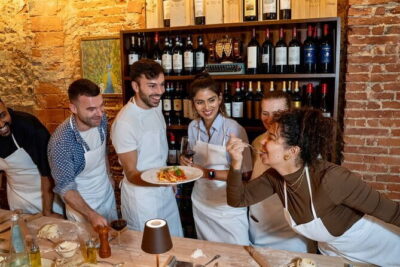
Pasta & Tiramisu Cooking Class with Unlimited Wine
Read our review →
Pasta & Tiramisu Class with Fine Wine by the Vatican
Read our review →
3-in-1 Fettuccine, Ravioli, and Tiramisu Cooking Class
Read our review →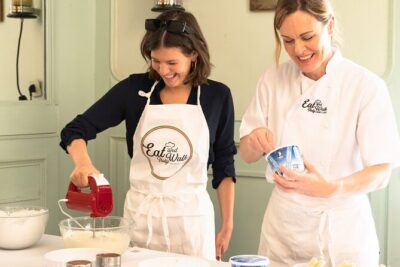
Learn to Make Pasta & Tiramisu with Wine and Limoncello Included
Read our review →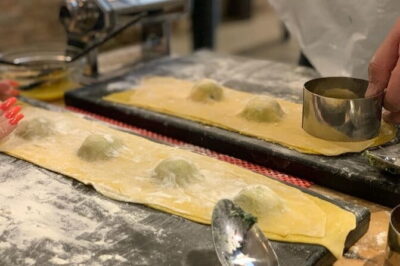
Cooking Class Pasta & Tiramisu Making Unlimited Wine
Read our review →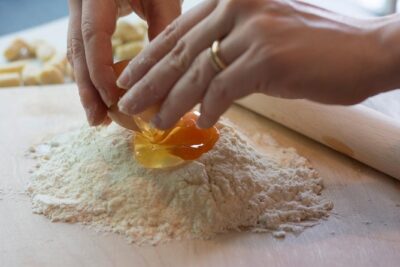
Become a Masterchef in Rome: Pasta, Ravioli and Tiramisù Class
Read our review →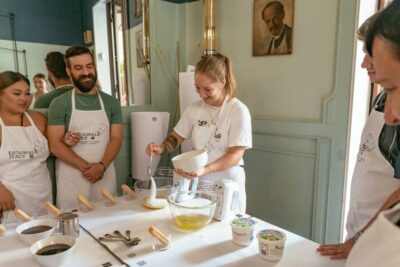
Fettuccine & Tiramisù: Cooking Class with Wine & Limoncello
Read our review →Browse the lists this tour appears in