
Review · MILAN
Pasta and Tiramisu Cooking Class at Come Na Vorta Navigli Milan
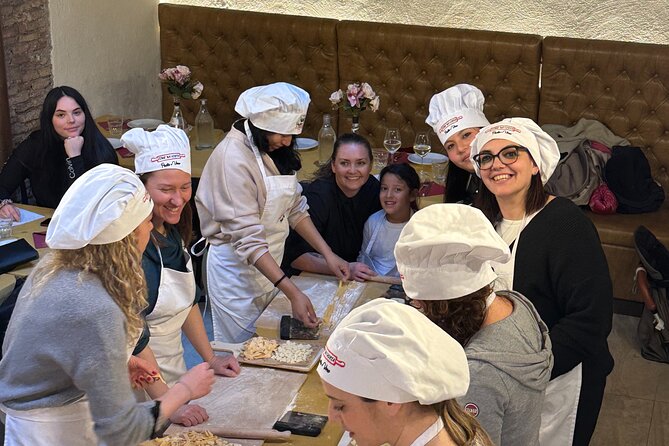
Fresh pasta is better when you make it yourself. This three-and-a-half-hour class at Come ’Na Vorta in Milan’s Navigli pairs hands-on cooking with a generous meal, two glasses of Italian wine, and a friendly small-group setting. I especially like the chance to make both fettuccine and gnocchi, rather than learning just one pasta shape, and I like that tiramisu is included from the start.
The main thing to plan for is the amount of food. You will eat the pasta, gnocchi, sauces, and dessert you prepare, so a light snack beforehand is wise. The class costs about $90.31 per person, which is fair if you value a full meal and instruction, but it may feel high if you mainly want a quick demonstration.
Key points to know before booking
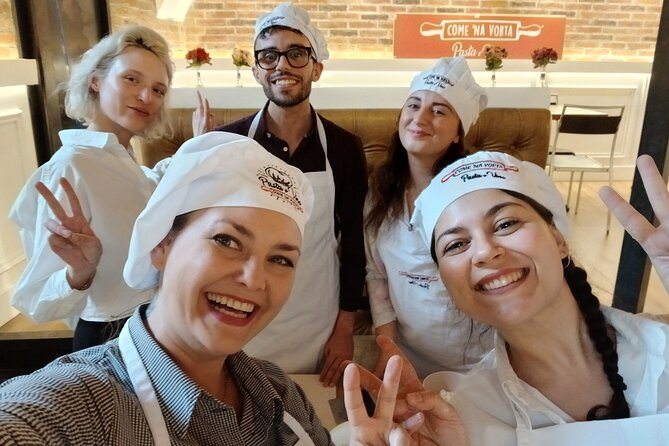
- Three dishes, not just one: You prepare fettuccine, gnocchi, and tiramisu during the class.
- A meal is included: Your handmade pasta and gnocchi are served with traditional Roman sauces of your choice, followed by dessert.
- Two Italian wines: The tasting is built into the meal, with white and red options selected to pair with the food.
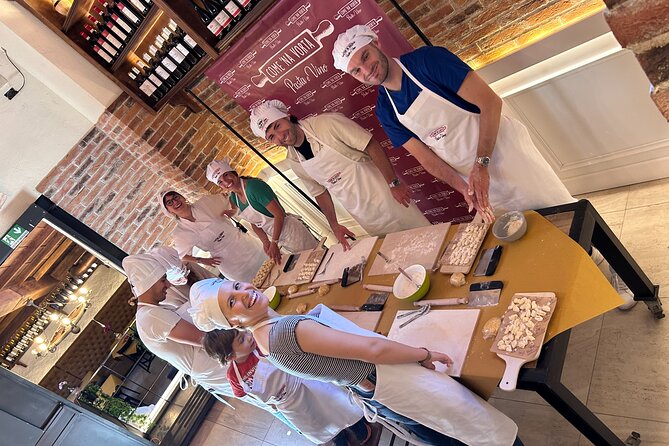
- Small class size: The maximum is 11 people, giving the chef a better chance to guide you directly.
- Family-friendly teaching: Francesco has been praised for his patience with children, including safe instruction when cutting pasta.
- Convenient Navigli setting: The class starts and ends at Come ’Na Vorta Pasta e Vino, near public transportation.
A Milan cooking class with a Roman accent
Milan is known for northern Italian food, but this class focuses on pasta traditions connected with Rome. That gives the meal a different character from the risotto and cotoletta you may expect in Milan. You will make familiar Italian staples, but the class presents them through family methods and Roman-style sauces.
The meeting point is Come ’Na Vorta Pasta e Vino, at Ripa di Porta Ticinese 3-5 in the Navigli district. This is a useful location for a food-centered afternoon or evening because the activity begins and ends in the same place. You do not need to figure out a second pickup point after eating a large meal.
The class is offered in English, and confirmation arrives at booking. With a maximum of 11 people, the group should feel more personal than a large demonstration. That matters when you are working with dough, since the right texture often comes down to small adjustments in pressure, flour, and moisture.
More Tiramisu Classes in Milan
- The Secrets to Learn Fresh Pasta and Tiramisù in a Glam Home
★ 5.0 · 1,182 reviews - Milan: Pasta and Tiramisu Cooking Class with Wine
★ 4.8 · 1,106 reviews - Gnocchi, Pasta, Tiramisù and Wine Class
★ 5.0 · 691 reviews
Making fettuccine from scratch
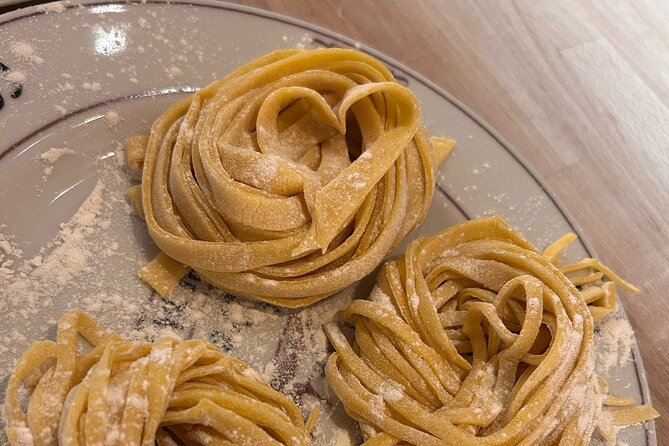
The pasta portion begins with the basics of fresh dough. You learn how family traditions shape the process, then work toward fettuccine with the help of the chef. The appeal here is practical: you are not simply watching a cook roll out pasta. You are handling the dough and learning how it should feel as it comes together.
Fettuccine is a good first pasta shape because it lets you see the effect of thickness and cutting. If the dough is too thick, the noodles can feel heavy. If it is too thin, they lose their satisfying bite. The class gives you a chance to practice those details under guidance instead of trying to copy them later from a recipe.
One of the strongest parts of the teaching is the direct coaching. Francesco has been described as friendly, patient, and informative, while Elba has been praised for her confidence, humor, and passion for pasta making. The names may vary depending on the scheduled instructor, but the important point is that the class has a clear human touch rather than feeling like a production line.
You should expect to do real work. This is not the place to sit back with wine while someone else prepares lunch. That hands-on approach is exactly what makes the class useful if you hope to repeat the dishes at home.
Learning the tricks behind gnocchi
Gnocchi gives the class a second kind of pasta lesson. Unlike fettuccine, which depends heavily on rolling and cutting, gnocchi requires a light touch. The pieces should hold together without becoming dense or chewy.
The class teaches you how to shape the gnocchi and prepare it for cooking. You then eat the result as part of the meal, which gives you an immediate test of your work. That is more helpful than taking home uncooked dough or a recipe card and hoping you got the texture right.
The two-pasta format is a real strength. You learn a long pasta and a potato-based pasta in the same sitting, so the class offers more range than a short workshop focused on one dish. It also creates a generous lunch or dinner. One participant found the portions so large that the pasta plates could not be finished, so you should not arrive hungry enough to expect a light meal afterward.
The sauces are traditional Roman choices, and you select the sauces for your fettuccine and gnocchi. The supplied details do not specify the exact sauce list, so you should confirm the available choices on the day if a particular recipe matters to you. The focus is on pairing the sauces with the handmade pasta, not on presenting a fixed tasting menu.
Tiramisu is part of the work, too
Many cooking classes add dessert as an afterthought. Here, tiramisu is one of the three central preparations, which gives the class a pleasant change of pace after the pasta work.
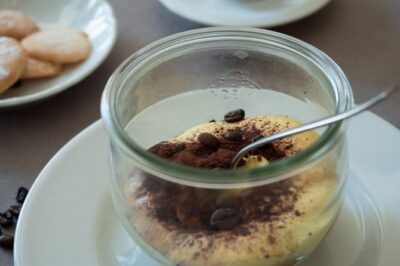
You build the dessert layer by layer and learn how to balance its creamy texture and coffee-forward flavor. The portion is prepared as part of the class, then served after the pasta and gnocchi. Some groups have made individual tiramisu cups, a format that keeps the dessert tidy and makes it easy to see the layers.
Tiramisu is also a useful recipe to learn because it needs no complicated equipment. The class focuses on technique and proportion, so you can take the method home without needing a professional kitchen. If you have a sweet tooth, this is one of the reasons the experience feels like a complete meal rather than a pasta lesson with a small extra bite.
Keep in mind that the dessert adds to the total amount of food. A substantial snack before class is not a good idea. Eat lightly, especially if your class takes place in the afternoon and you plan to explore Navigli afterward.
Same kitchen, a different thing to make:
- Milan: Pasta and Tiramisu Small Group Cooking Class with Wine
★ 5.0 · 660 reviews - Milan: Fresh Pasta & Tiramisù Class in a Glamorous Home
★ 4.9 · 478 reviews - Milan Culinary Experience: Pasta & Gelato or Tiramisù Class
★ 5.0 · 337 reviews - Milan: Traditional Pasta and Tiramisù Masterclass
★ 5.0 · 307 reviews
Two wines with the handmade meal
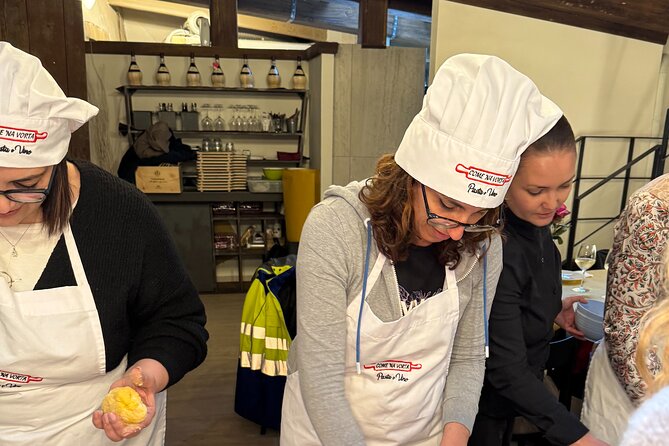
The meal includes two glasses of carefully selected Italian wine. The stated choices include a crisp white or a fuller red, intended to match the food you prepare.
This is a modest but useful part of the value. You are not paying separately for a restaurant meal after the class, and the wine helps turn the cooking session into a social dining experience. You can focus on your food without rushing off to find a table elsewhere.
The wine is also part of the teaching atmosphere, though the available information does not promise a formal wine lesson. Think of it as a pairing element rather than a dedicated tasting. If you do not drink alcohol, check with the provider before booking to confirm what alternatives are available, since that detail is not specified.
Because this is a cooking class, responsible pacing matters. You receive two glasses over a long session, alongside a full meal. It is a relaxed addition, not the main purpose of the activity.
What the three-and-a-half hours feel like
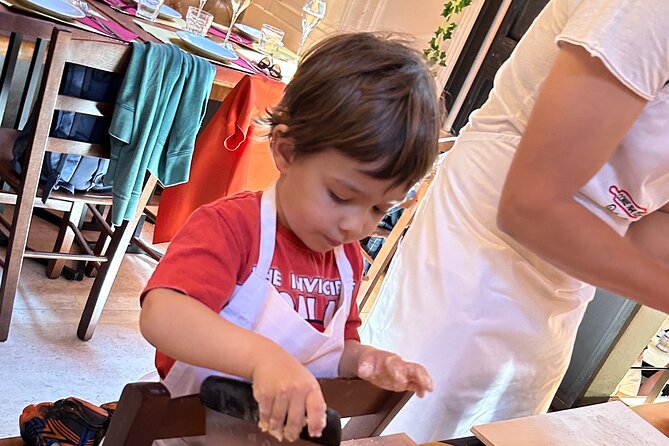
The listed duration is about three hours and 30 minutes. That gives the class enough time for instruction, preparation, cooking, and eating without forcing every step into a rushed demonstration.
A typical flow is likely to move from pasta preparation to gnocchi, then tiramisu, followed by the meal. The exact order can vary, especially because dessert preparation may need to happen before the main dishes. You should expect the chef to divide the work so the food is ready to serve at the end.
The pace works best if you enjoy a social activity. You will have time to ask questions, compare results with the rest of the group, and sit down to eat what you made. The class has been suitable for families, including children aged 10 to 13. Francesco has been praised for taking extra care when teaching children to cut pasta, which is reassuring for parents.
You should still consider your group’s energy and attention span. Three and a half hours is a long time for a young child, even when the food is appealing. Older children and teens who like making things with their hands are more likely to enjoy the full session.
Why the small group matters
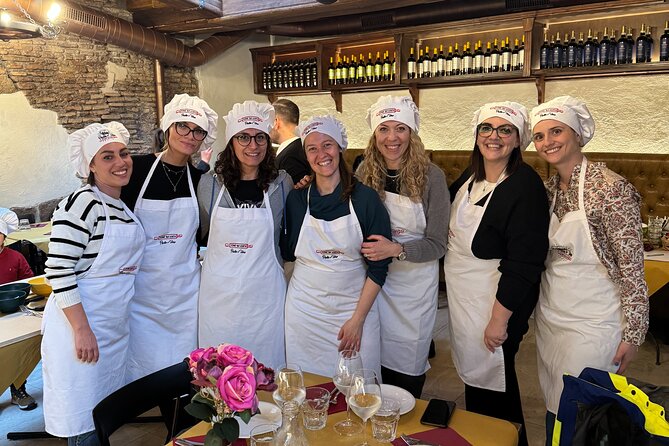
The maximum group size is 11 people. That is not a private lesson, but it is small enough to offer a better chance of personal help than a large culinary school class.
Pasta dough can behave differently from one table to another. A smaller group makes it easier for the chef to notice if your dough needs more work or if your gnocchi pieces are becoming too heavy. It also gives you more room to ask about the steps you would like to repeat at home.
The atmosphere sounds informal and social. One group of three enjoyed cooking alongside a mother and daughter, while another group included a family of five. That mix can be part of the appeal if you like meeting people around a shared meal. If you want a quiet, private cooking lesson, however, the maximum of 11 people may feel more communal than personal.
The English-language format makes the class accessible to international visitors. You should be able to follow the demonstrations and ask questions without needing Italian cooking terms in advance.
Price and what you receive for $90.31
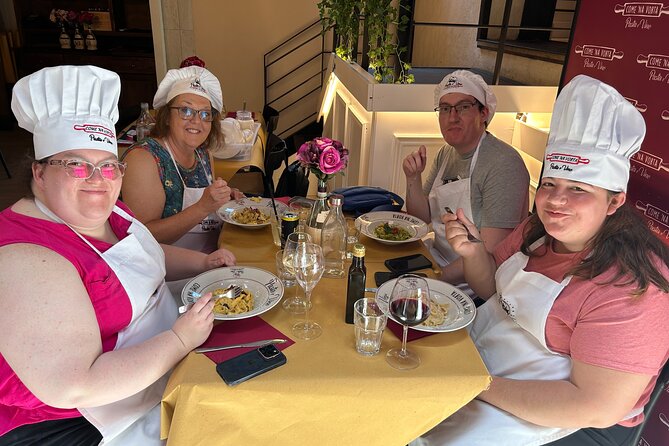
At about $90.31 per person, this is not the cheapest way to eat pasta in Milan. It is also more than a short demonstration or a restaurant lunch. The fair comparison is a three-and-a-half-hour activity, instruction in three dishes, the food you prepare, and two glasses of Italian wine.
I consider that solid value for someone who wants an active food experience. You receive a full meal rather than a small tasting, and you gain recipes and methods that can be used at home. The value is strongest when you treat the class as both dinner and entertainment.
The price is less compelling if you are mainly looking for a polished restaurant meal. You will work with the ingredients, make mistakes, and spend time standing or handling dough. That is the point, but it means the experience suits curious cooks more than diners who want to be served.
The class is booked about 15 days ahead on average. I would not leave it until the last day if your Milan schedule is tight, especially if you need a particular date. Free cancellation is available up to 24 hours before the start time. Cancellations or changes made inside that window are not refunded or accepted.
Getting there and planning your day
The class begins at Come ’Na Vorta Pasta e Vino, Ripa di Porta Ticinese 3-5, Milan, and ends at the same location. It is near public transportation, but no specific route or station is provided, so check your map before setting out.
Allow enough time to arrive without rushing. A late arrival could mean missing the early instructions on dough or dessert, and those steps affect everything you eat later. Mobile tickets make entry simple, but keep the booking confirmation available on your phone.
Since the activity ends where it begins, it fits neatly into a Navigli visit. You can schedule it as the main event of an afternoon or evening rather than trying to cross Milan between separate food stops. Plan your next activity with some flexibility, since a hands-on meal can be more satisfying and slower than a quick restaurant visit.
Service animals are allowed. The provided information does not spell out other accessibility details, dietary substitutions, or alcohol-free options, so contact the provider before booking if any of those points affect your plans.
Who will enjoy this class most
I would recommend this class to you if you want to make food, not just eat it. It is a strong choice for families with older children, couples, first-time pasta makers, and small groups looking for an evening with a clear activity.
It is also useful for anyone who has tried making pasta at home and wants more confidence. The combination of fettuccine and gnocchi shows two different techniques, while tiramisu gives you a simple dessert to repeat later.
The class may not suit you if you dislike group activities, do not eat a large meal, or want a strictly Milanese menu. The food has Roman influence, and the meal is substantial. You should also check ahead if you have dietary restrictions, since the supplied details do not confirm substitutions.
Should you book the Come ’Na Vorta class?
Book it if you want a friendly, hands-on food experience with enough time to learn and eat well. The strongest reasons are the three dishes, the small maximum group size, the two included wines, and the patient teaching style associated with Francesco and Elba.
Skip it if you are seeking a short demonstration, a private lesson, or a light snack. For most food-focused visitors, though, the $90.31 price makes sense because it covers a full meal, several techniques, and an enjoyable block of time in Navigli. Just eat lightly beforehand and arrive ready to work.
FAQ
Where does the cooking class start and finish?
It starts and ends at Come ’Na Vorta Pasta e Vino, Ripa di Porta Ticinese 3-5, 20143 Milan, Italy.
How long does the class last?
The activity lasts approximately three hours and 30 minutes.
What dishes do you make?
You make fettuccine, gnocchi, and tiramisu. The pasta and gnocchi are served with traditional Roman sauces of your choice.
Are drinks included?
Yes. The experience includes two glasses of selected Italian wine, with a white or red option.
Is the class offered in English?
Yes. The class is offered in English.
How many people can join the class?
The maximum group size is 11 people.
Just added around Milan
- Share Your Pasta Love in a Local’s Home in Milan★ 5.0 · 3 reviews
- Small group Pasta and Tiramisu class in Milan by Cesarine★ 5.0 · 25 reviews
- Easily Make Pasta, Bruschetta & Tiramisù★ 5.0 · 14 reviews
- Rockin kitchen : Fresh Pasta lesson with Music Aperitif Dinner★ 5.0 · 28 reviews
- Italian Cocktail + Art of Making Pasta Cooking Class In Unique Milan Location★ 5.0 · 16 reviews
- PRIVATE Cooking Class in a Local Home – Pick Your Menu★ 5.0 · 18 reviews
- Milan: The Ultimate Pasta Mastery Workshop★ 4.0 · 21 reviews
- Cooking class : Fresh pasta and tiramisu for children in Milan★ 3.5 · 3 reviews
Tiramisu Classes, compared.
3 in 1 Cooking Class near Navona: Fettuccine, Ravioli & Tiramisu
Read our review →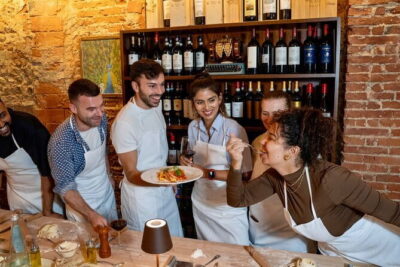
Pasta & Tiramisu Cooking Class with Unlimited Wine
Read our review →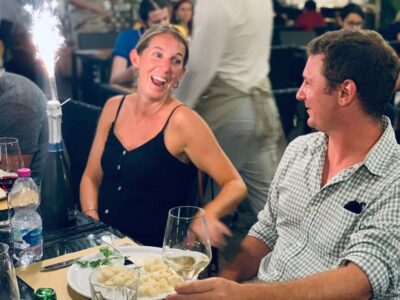
Pasta & Tiramisu Class with Fine Wine by the Vatican
Read our review →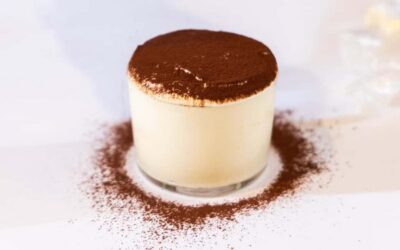
3-in-1 Fettuccine, Ravioli, and Tiramisu Cooking Class
Read our review →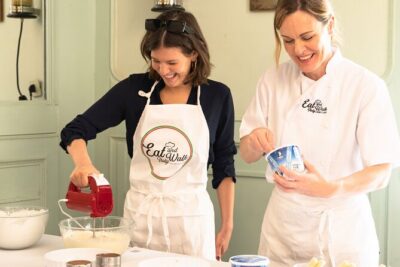
Learn to Make Pasta & Tiramisu with Wine and Limoncello Included
Read our review →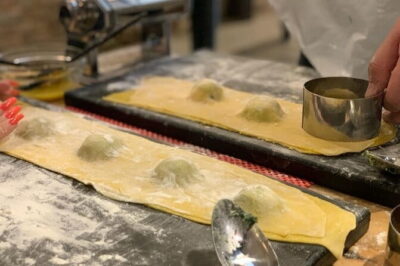
Cooking Class Pasta & Tiramisu Making Unlimited Wine
Read our review →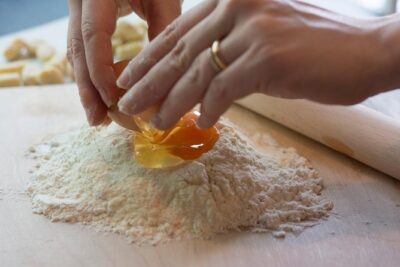
Become a Masterchef in Rome: Pasta, Ravioli and Tiramisù Class
Read our review →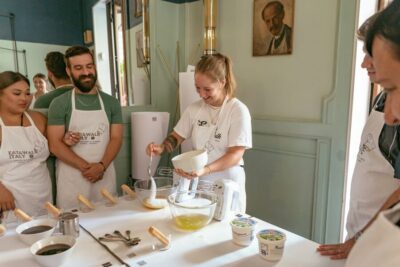
Fettuccine & Tiramisù: Cooking Class with Wine & Limoncello
Read our review →Browse the lists this tour appears in