
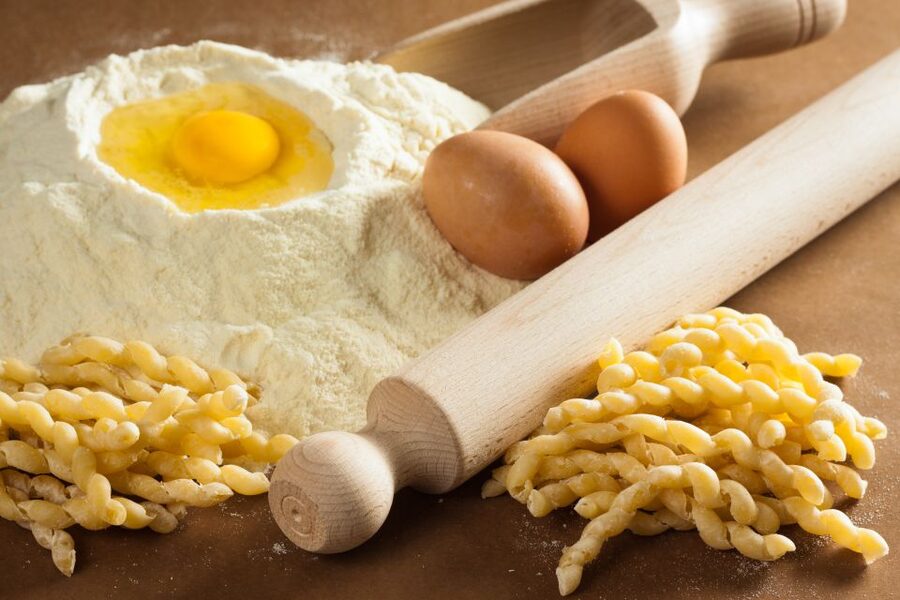
Review · PALERMO
Palermo: Pasta & Tiramisu Cooking Class at a Local’s Home
Roll pasta, then eat your homework. This three-hour Palermo class brings you into a local home to make fresh pasta and tiramisu from scratch. I like the hand-rolled sfoglia, which gives you a real feel for Italian cooking, and I like the relaxed meal afterward with prosecco, wine, coffee, and the food you prepared. The home setting also makes the class feel personal rather than like a restaurant demonstration.
The main thing to consider is the price: at $152.93 per person, this is not a cheap meal or a quick pasta lesson. You are paying for a private-home setting, instruction, drinks, food, and time with a local host. The exact address is shared only after booking, so you need to plan around the host’s location once it is confirmed.
Key points to know before booking
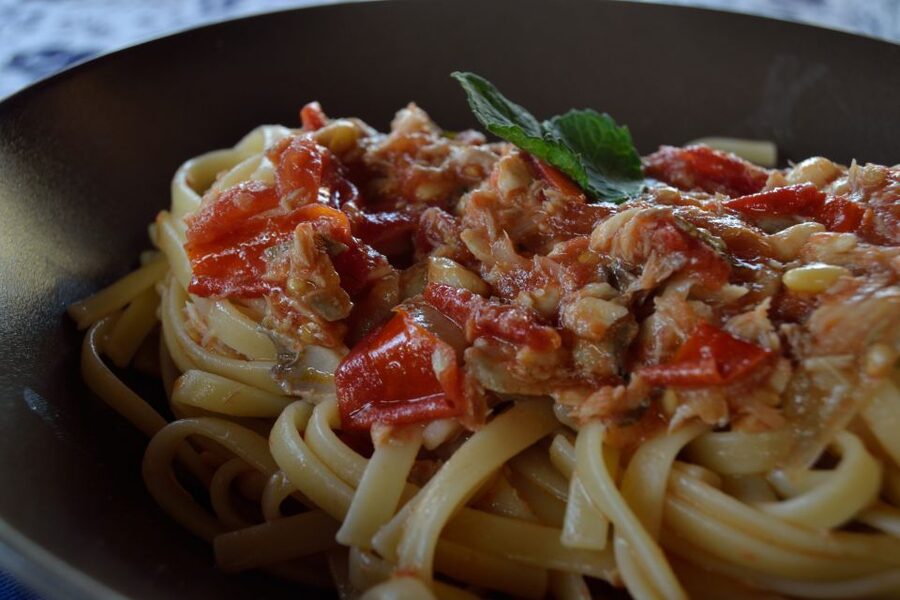
- You make two pasta types: The class includes two different pasta preparations, with hands-on work from dough to finished dish.
- Sfoglia is rolled by hand: You learn the traditional technique rather than simply watching someone use a machine.
- Tiramisu is part of the lesson: The dessert is prepared while the pasta dough rests, making good use of the three-hour schedule.
- Aperitivo begins the visit: Prosecco and small bites help ease you into the home and the cooking.
- Hosts can make the evening personal: Past classes have been led by welcoming cooks including Alice, Francesco, Gianpiero, Rosa, Rosa Maria, and Pina.
- The address comes later: You receive the host’s full address and telephone number after booking, so leave room in your schedule for the journey.
A Palermo cooking class with a place at the family table
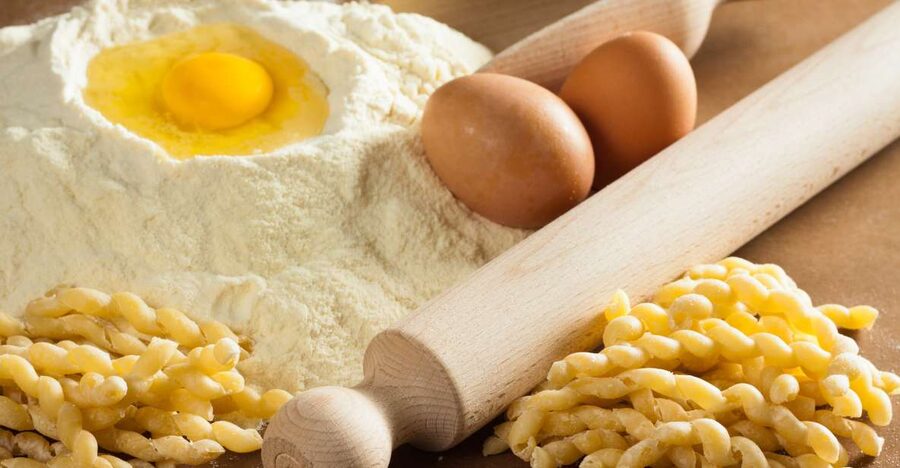
Cesarine connects visitors with home cooks across Italy, including Palermo. The idea is simple: instead of learning in a large commercial kitchen, you prepare regional food in someone’s home, using family recipes and ordinary cooking tools.
That change of setting matters. Palermo has plenty of restaurants where you can eat excellent pasta, but a home class lets you ask questions, compare cooking habits, and see how a local host organizes a meal. You are not only buying dinner. You are buying three hours of instruction and conversation.
The class is conducted in Italian and English. That makes it workable for English-speaking visitors, though the exact pace may depend on your host and the people sharing the table. Some sessions have been very small, including couples or even one participant. Others bring together a group of people from different countries.
I like that uncertainty, within reason. A small class gives you more attention at the worktable. A larger group can bring more conversation and laughter. You will not know the exact size until your booking details are confirmed, so book this for the social setting as much as for the recipes.
More Tiramisu Classes in Italy:
- 3 in 1 Cooking Class near Navona: Fettuccine, Ravioli & Tiramisu
★ 5.0 · 7,376 reviews - Florence: Pasta & Tiramisu Cooking Class with Unlimited Wine
★ 4.9 · 6,708 reviews - Rome: Pasta & Tiramisu Class with Fine Wine by the Vatican
★ 4.9 · 4,852 reviews
Starting with aperitivo and a friendly welcome
The cooking does not begin with a stern lesson on flour ratios. You start with an Italian aperitivo, including prosecco and nibbles. Water is also included, along with wine and coffee later in the meal.
This opening is useful for more than refreshment. You are entering a stranger’s home, and a drink at the start gives everyone a few minutes to settle in. It also sets the tone: this is a shared meal with cooking in the middle, not a school class where you rush from one technical exercise to another.
The welcome has been a major strength of the experience. Hosts such as Alice and Francesco have been praised for making people feel comfortable, explaining food traditions, and helping patiently at the worktable. Rosa has also been described as accommodating with food preferences, while Pina received high praise for her warmth and passion for Sicilian cooking.
Host personality will shape your afternoon or evening. That is part of the charm, but it also means the atmosphere will not be identical every time. If you want a polished, fixed-format cooking show, choose a purpose-built cooking school. If you want to meet a real local cook, this format is the better fit.
Rolling sfoglia by hand
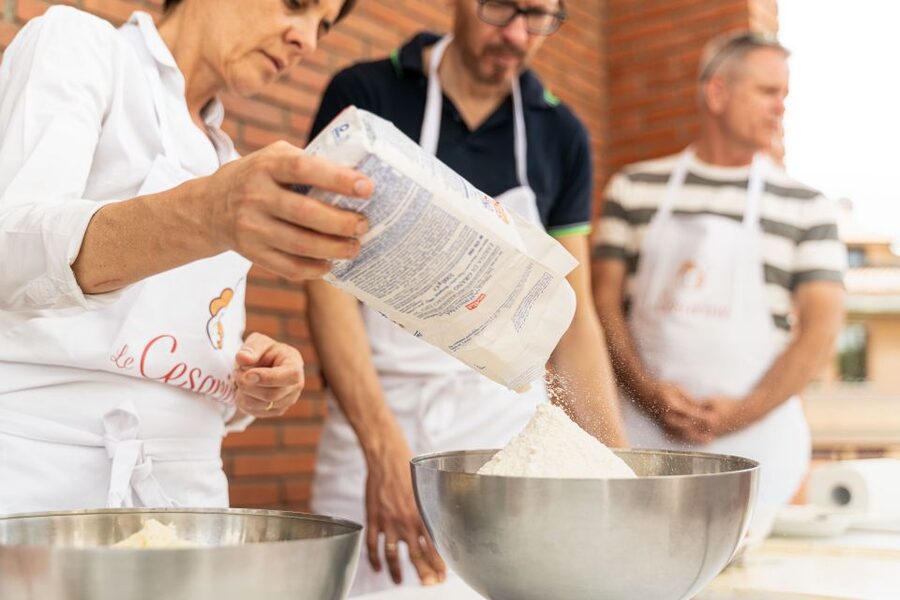
The heart of the class is fresh pasta dough. You learn to roll sfoglia, the thin sheet used to form pasta, by hand. This is the part where you stop being a spectator.
Rolling dough takes patience. You need to notice its texture, work it evenly, and keep going until it reaches the right thinness. The host demonstrates the technique, then helps you correct your movements. Expect flour on the table and a bit of trial and error. That is a useful part of the lesson, not a flaw.
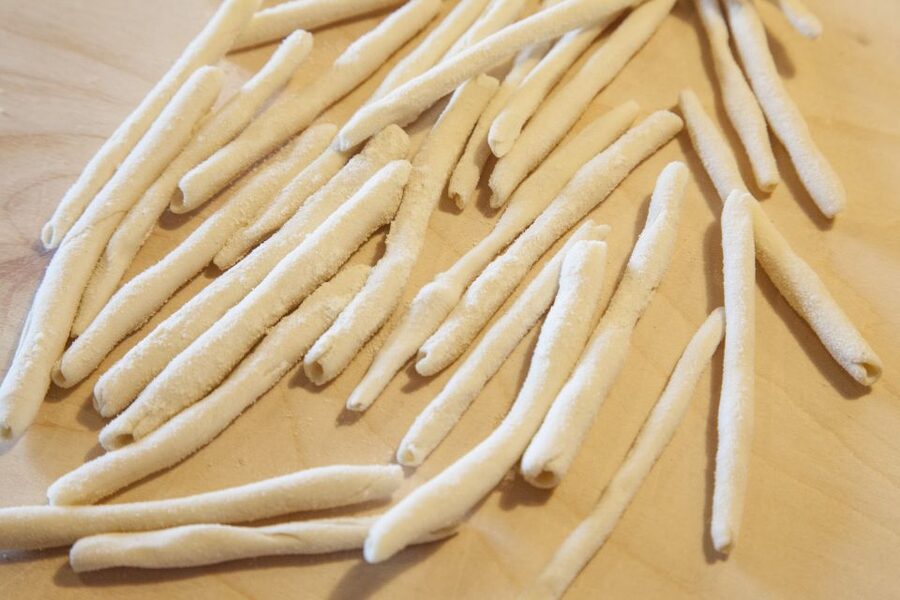
The class teaches two iconic pasta types. The exact shapes can vary by host, and the experiences described by past participants include pasta, ravioli, and gnocchi techniques. Do not assume you will make every one of these. The confirmed promise is two pasta types, with the host choosing the recipes and methods.
This flexibility is a plus for a home-based class. A cook may teach the recipes they know best, using methods from a family cookbook. It can also mean the lesson is less standardized than a formal school class. If you need a particular pasta shape, ask Cesarine before booking rather than hoping it will appear on the menu.
Making tiramisu while the dough rests
Tiramisu gives the class a welcome change of pace. While the pasta dough rests, you prepare the dessert. That timing reflects real cooking, where you use waiting periods instead of treating every dish as a separate project.
You learn how the components come together, then leave the dessert to set while you return to the pasta. The experience includes tasting the tiramisu at the end, so this is not a demonstration where you leave with an unfinished dish.
I especially like this pairing because pasta alone can make a class feel narrow. Tiramisu adds a sweet course and gives you another recipe to take home. Several participants have valued receiving recipes after the class, making it easier to repeat the meal in your own kitchen.
The food is the main reward, but the instruction is just as useful. You can watch how the host handles dough, organizes ingredients, and moves between courses. Those small habits often teach more than a list of measurements.
A few more classes around Italy worth a look
- Florence: Pasta Cooking Class with Unlimited Wine
★ 4.9 · 10,285 reviews - Florence Pizza or Pasta Class with Gelato Making at a Tuscan Farm
★ 5.0 · 6,801 reviews - Florence: Pasta Cooking Class with Unlimited Wine
★ 5.0 · 6,413 reviews - Rome: Pasta Making Class with Wine, Limoncello, and Dessert
★ 4.9 · 3,177 reviews
From worktable to a complete Italian meal
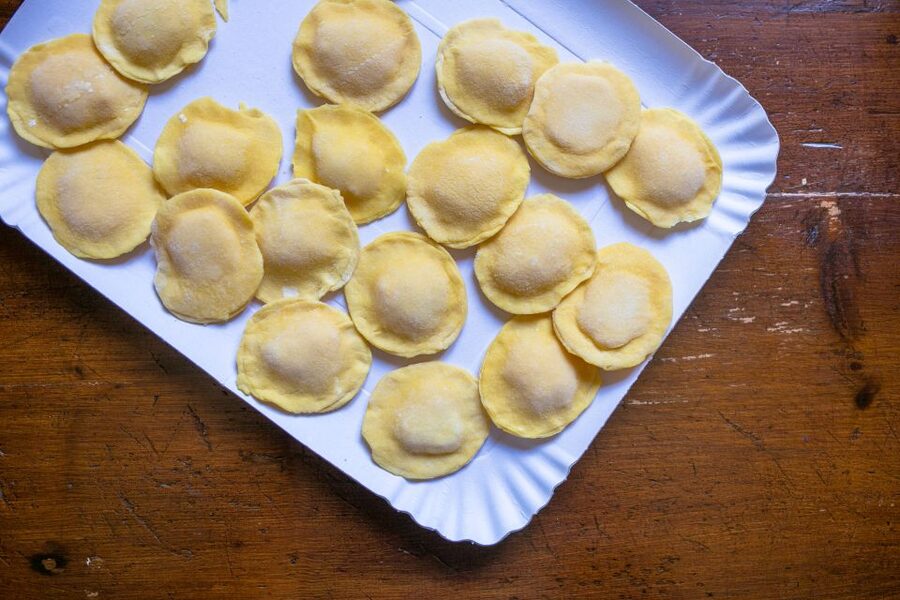
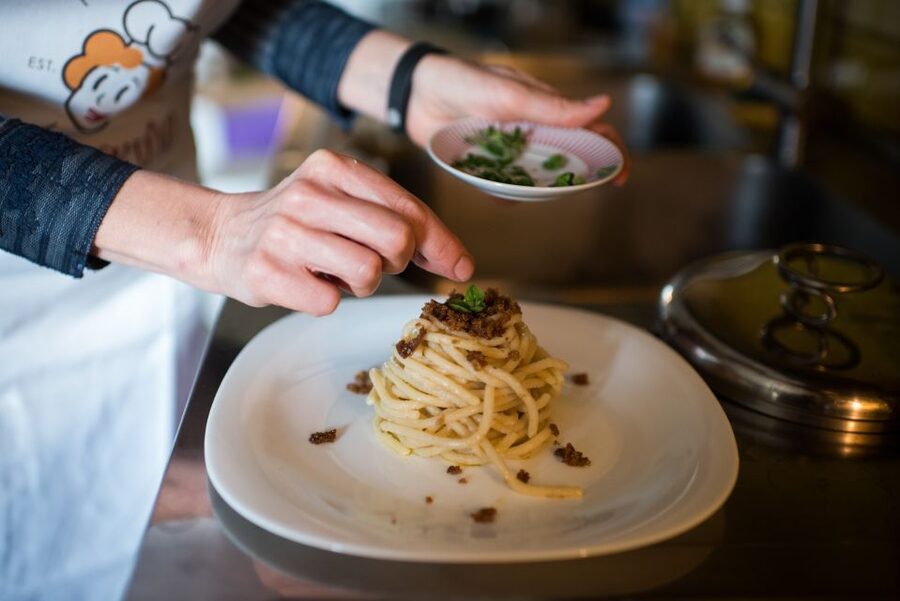
Once the pasta is shaped and cooked, you sit down to eat the two recipes and the tiramisu. Wine, water, coffee, and the opening aperitivo are included. The structure feels closer to a long Italian meal than to a quick class followed by a rushed tasting.
The meal also gives you time to talk with the host and the other people at the table. Some sessions have included families, couples, friends, solo participants, and teenagers. A parent traveling with older children may find this more engaging than another museum visit, especially because everyone has a task.
You should arrive ready to participate. This is not the right choice if you want to sit quietly while someone else cooks. The value comes from mixing, rolling, shaping, listening, tasting, and sharing the finished dishes.
The food receives particularly strong praise. Participants have described the pasta and tiramisu as the best food of their trip, and several families have said they would repeat the experience. That enthusiasm makes sense: food tastes better when you have worked for it, and a home setting adds a personal story to the meal.
What makes the host matter
The experience is operated by Cesarine, a network of home cooks available in more than 500 Italian cities. Each host brings a different personality and family cooking background.
Alice and Francesco have been praised for careful preparation, patient demonstrations, and explanations of Sicilian food and culture. Their sessions have included homemade jams, limoncello, and extra appetizers. Gianpiero has also been singled out for creating a fun and memorable pasta evening.
Other hosts mentioned include Rosa, Rosa Maria, and Pina. Rosa Maria welcomed participants with help from Sally and her husband Massimo, creating the feel of a small household team. Pina was praised for making people feel closely connected to the food and local culture.
These details show why you should not judge the activity only by its menu. The same two pasta dishes can feel very different depending on the person teaching them. A kind, patient host can turn a simple recipe into one of your best Palermo memories.
At the same time, the host’s home is not a public venue. You may have less control over the location, kitchen layout, and exact schedule than you would in a restaurant school. That is a fair trade for a more personal setting, but it is worth understanding before you pay.
Price, timing, and practical value
The price is $152.93 per person for three hours. That is a significant expense, especially for a family or a larger group. You can eat pasta in Palermo for much less.
The comparison is not quite fair, though. The fee includes a hands-on lesson, two pasta preparations, tiramisu, aperitivo, nibbles, wine, water, coffee, local taxes, and the final meal. You also receive time with a local host and the chance to ask questions in a private home.
I would judge the price by what you want from the evening. If your goal is simply to fill your stomach, skip it. If you want a social activity, practical cooking skills, and a meal tied to a local household, the cost becomes easier to justify.
The class lasts three hours, but starting times vary. Check the available sessions carefully, then leave enough time to reach the host’s home. Since the address is private, you receive the full location and telephone details only after booking. Send your Palermo neighborhood and planned transport method when requested so Cesarine can match you with a suitable cook.
You should also provide any food intolerance or allergy information at booking, or email it with your booking reference. Do not wait until you arrive. A home kitchen needs advance notice.
The experience is not suitable for wheelchair users. This is important because private homes may have access limits that are not obvious from a general booking page.
Who will enjoy this most?
I would recommend this class to couples, families with older children, solo visitors who enjoy meeting people, and anyone who wants a break from sightseeing. It works especially well early in your Palermo stay because you can take the recipes and food ideas with you for the rest of the trip.
Food lovers will appreciate the traditional techniques. You do not need advanced kitchen skills, and the hosts are praised for explaining steps carefully and offering hands-on help. A beginner can take part without feeling foolish.
It may also suit you if you want cultural contact without booking a formal tour. You learn through the ordinary acts of eating, talking, and preparing food together. That can tell you more about daily life than a quick stop at a famous sight.
I would be more cautious if you have strict dietary needs, limited mobility, or a tight schedule. The class can accommodate food preferences when told in advance, but the supplied information does not promise a specific menu for every diet. And because the location is shared later, you cannot plan the exact journey until after booking.
Booking advice for a smoother class
Give Cesarine your accommodation neighborhood and transport plans. This helps the team match you with a host and lets you estimate the journey once the address arrives.
Ask about the planned pasta types if that matters to you. Two varieties are included, but the particular shapes can differ by host. If ravioli, gnocchi, or a certain regional recipe is important, confirm it first.
Keep the evening open for the full three hours. The meal and conversation are part of the experience, and rushing away immediately after the cooking would cut short the best part.
You can cancel up to 24 hours in advance for a full refund. The reserve-now, pay-later option also helps if your Palermo plans are still moving around.
Should you book this Palermo cooking class?
Book it if you value personal contact, hands-on work, and a meal that you help create. The strongest reasons are the hand-rolled sfoglia, the two pasta recipes, the tiramisu lesson, and the hosts’ patient, welcoming approach.
Think twice if the $152.93 price feels high for a meal, or if you need a fully accessible venue and a fixed address from the start. For everyone else, this is a good way to trade a few hours of sightseeing for flour-covered hands, new recipes, and a seat at a Palermo home table.
FAQ
How long does the Palermo cooking class last?
The class lasts three hours. Starting times vary, so check availability when choosing a date.
What food do you make?
You learn to prepare two different pasta types and tiramisu. The exact pasta varieties can depend on the local host.
Do I roll the pasta by hand?
Yes. The class teaches you how to roll sfoglia, the fresh pasta sheet, by hand.
Are drinks included?
Yes. The experience includes water, wine, coffee, and an Italian aperitivo with prosecco and nibbles.
Where does the class take place?
The class takes place in a local host’s home in Palermo. For privacy, the full address is provided after booking.
What languages are available?
Instruction is available in Italian and English.
Can I report food allergies or intolerances?
Yes. Provide your allergy or intolerance details when booking, or email them to [email protected] with your booking reference and name.
Is the activity wheelchair accessible?
No. The experience is listed as unsuitable for wheelchair users.
Can I cancel the booking?
Yes. You can cancel up to 24 hours in advance for a full refund. You can also reserve now and pay later.
Just added around Italy
- Verona: Tortellini Cooking Class and Lunch with Mamma Ivana★ 5.0 · 20 reviews
- Volterra: Fresh Pasta Cooking Class at a Tuscan Farmhouse★ 5.0 · 33 reviews
- Vicenza: Pasta & Tiramisu Cooking Class at a Local’s Home★ 5.0 · 5 reviews
- Verona: Pasta & Tiramisu Cooking Class at a Local’s Home★ 5.0 · 16 reviews
- Verona: Pasta Cooking Class with Wine Tasting★ 5.0 · 4 reviews
- Venice: Share Your Pasta Love in a Local’s Home★ 4.8 · 20 reviews
- Verona: Prosecco and Pasta Making Class at a Local’s Home★ 5.0 · 10 reviews
- Verona: My Granny’s secrets making gnocchi★ 5.0 · 7 reviews
Tiramisu Classes, compared.
3 in 1 Cooking Class near Navona: Fettuccine, Ravioli & Tiramisu
Read our review →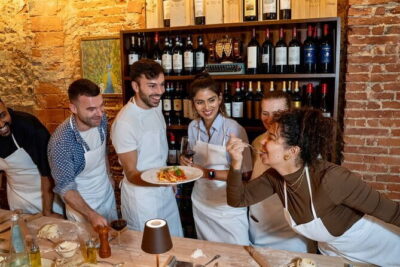
Pasta & Tiramisu Cooking Class with Unlimited Wine
Read our review →
Pasta & Tiramisu Class with Fine Wine by the Vatican
Read our review →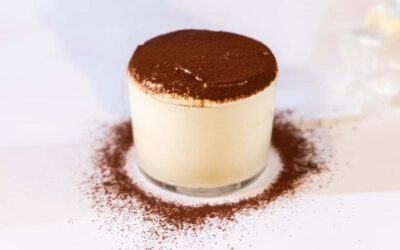
3-in-1 Fettuccine, Ravioli, and Tiramisu Cooking Class
Read our review →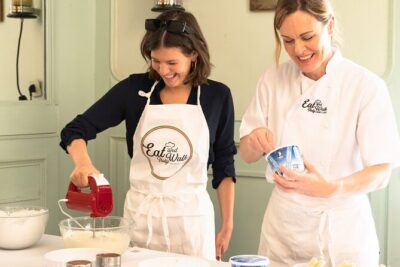
Learn to Make Pasta & Tiramisu with Wine and Limoncello Included
Read our review →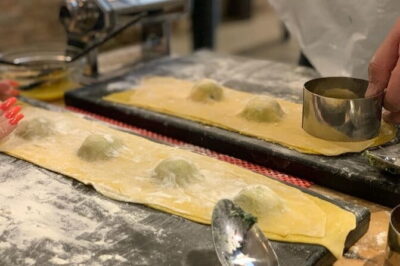
Cooking Class Pasta & Tiramisu Making Unlimited Wine
Read our review →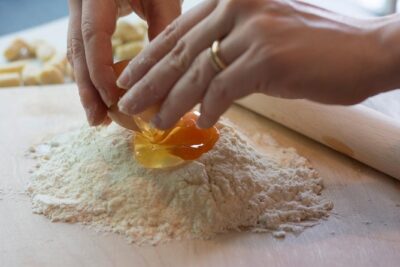
Become a Masterchef in Rome: Pasta, Ravioli and Tiramisù Class
Read our review →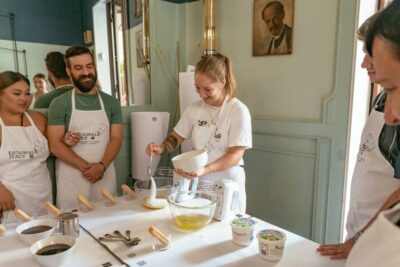
Fettuccine & Tiramisù: Cooking Class with Wine & Limoncello
Read our review →Browse the lists this tour appears in