Review · ITALY
Ragusa: Pasta & Tiramisu Cooking Class at a Local’s Home
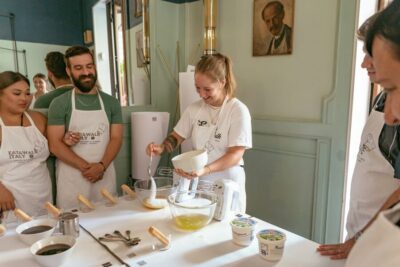
Fresh pasta beats a souvenir. This three-hour class in Ragusa brings you into a local home to learn hand-rolled sfoglia, prepare two pasta types, and finish with tiramisu. I like the hands-on cooking and the chance to share an evening with a local host rather than simply eat at a restaurant. I also like that prosecco and small aperitivo bites begin the experience in a relaxed Italian way.
The main consideration is the setting. You receive the host’s full address only after booking, and the class is not suitable for wheelchair users. At $152.93 per person, this is not a cheap meal, but it includes instruction, drinks, the aperitivo, and a tasting of everything you make.
Key points to know before booking
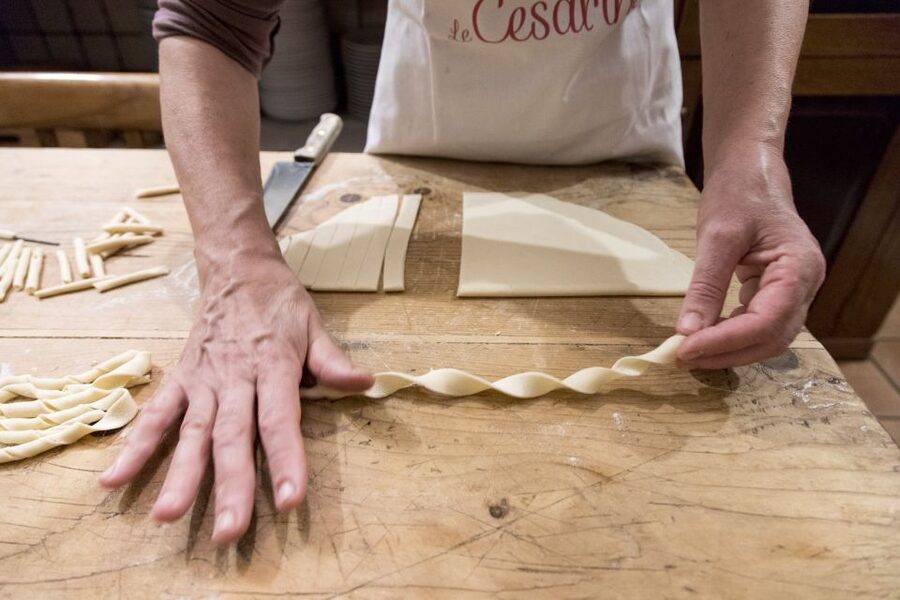
- You make pasta by hand: Learn to roll fresh sfoglia and prepare two different pasta types from scratch.
- Tiramisu is part of the class: Dessert is not an afterthought. You make the famous coffee-based Italian sweet yourself.
- The evening begins with aperitivo: Prosecco and small nibbles give you time to settle in before the cooking starts.
- The class takes place in a private home: Your host’s full address and contact details arrive after booking.
- Drinks are included: Water, wine, coffee, prosecco, and the tasting of your dishes are covered.
- The mood is social: One review describes a wonderful evening with very nice people, which fits the friendly, shared-table nature of the class.
Arriving at a Ragusa home
This is not a restaurant class with a public storefront. Cesarine, Italy’s network of home cooks, matches you with a local host in Ragusa. For privacy, the exact address is sent after you book, along with the host’s telephone number and other details.
That arrangement gives the class a more personal feel, but it calls for a little planning. You need to tell the company where you are staying and how you plan to reach the host’s home. You should also send any food allergies or intolerances when booking, or by email with your booking reference and name.
The exact meeting point depends on your host. Since the activity ends at the same home, think about your return route before the class begins. This matters even more if you are visiting Ragusa for only a short time or planning to walk back after dinner.
The host and instructor can communicate in Italian and English. No individual host name is provided in advance in the available information, so you should not expect to choose a particular cook. The matching system is meant to pair you with a suitable local home based on your needs and location.
More Tiramisu Classes in Italy:
- 3 in 1 Cooking Class near Navona: Fettuccine, Ravioli & Tiramisu
★ 5.0 · 7,376 reviews - Florence: Pasta & Tiramisu Cooking Class with Unlimited Wine
★ 4.9 · 6,708 reviews - Rome: Pasta & Tiramisu Class with Fine Wine by the Vatican
★ 4.9 · 4,852 reviews
Starting with prosecco and small bites
The class opens with an Italian aperitivo: prosecco and nibbles. This is a useful part of the evening, not just a drink added to the price. It gives you time to meet the host, settle into the home, and get comfortable before working with flour.
Aperitivo is a familiar Italian habit. A small drink and a few bites create a pause between the day’s sightseeing and the evening meal. In a cooking class, that pause also helps the group become more relaxed. If you are meeting other people at the home, this is when conversation can begin naturally.
Water, wine, and coffee are included as well. The supplied information does not state how much wine is served or which local bottles are offered, so do not book this expecting a formal wine tasting. The focus is food, conversation, and learning, with drinks supporting the meal.
The available review describes a wonderful evening with very nice people. That is the strongest clue about the atmosphere. This class seems best for people who enjoy sitting at a shared table and making friends, rather than for anyone seeking a fast, private lesson with little conversation.
Rolling sfoglia by hand
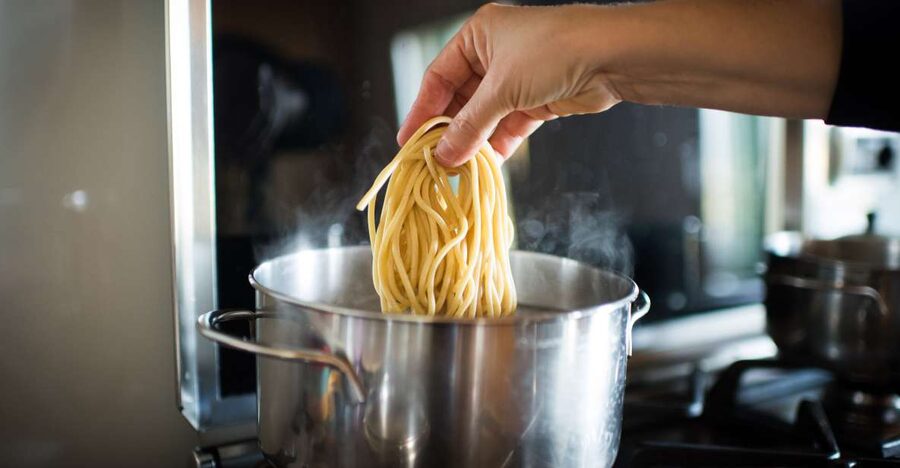
The central skill is making sfoglia, the thin sheet of fresh pasta. You learn to roll it by hand instead of relying only on a machine. That difference matters. Hand-rolling shows you how the dough changes under pressure and how the sheet reaches the right thinness for shaping.
You should expect the instructor to guide you through the process step by step. The supplied details do not specify the dough recipe, rolling tools, or exact preparation method, so the experience is not presented as a fixed professional cooking course. It is a practical introduction designed to let you work with the ingredients yourself.
This is one of the best reasons to choose the class. Eating fresh pasta is easy in Italy. Learning how the dough is made gives you a skill you can try again at home. You may not become a pasta expert in three hours, but you will leave with a better sense of the work behind a simple bowl of noodles.
Hand-rolled pasta can also be a little messy. Flour may end up on the table, your hands, and possibly your clothing. Wear something comfortable and avoid bringing the outfit you planned to wear for a formal night out.
Preparing two pasta types from scratch
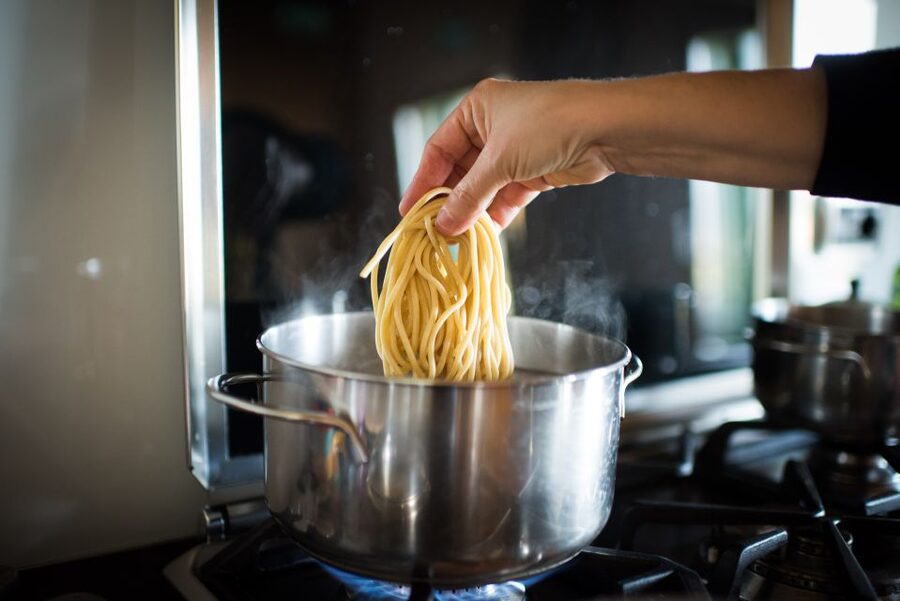
After learning to roll the sfoglia, you prepare two different kinds of pasta. The available information does not name them, so you should not book this class expecting a specific shape such as ravioli, tagliatelle, or orecchiette. The benefit is that you get to compare two preparations instead of spending the entire lesson on one recipe.
That variety gives the class a good rhythm. You learn the shared foundation, then see how pasta can change through shaping and preparation. For a first class, two types offer a useful introduction without turning the evening into a technical examination.
The phrase from scratch is important here. You are not simply watching a host cook a dish and then sitting down to eat it. You take part in the preparation, with guidance from the Cesarina. This makes the price easier to understand, since the class combines an activity, a meal, and drinks.
You also taste both pasta recipes at the end. The meal is therefore connected directly to the work you have done. If one shape or method proves more difficult, you can still enjoy the result at the table.
A few more classes around Italy worth a look
- Florence: Pasta Cooking Class with Unlimited Wine
★ 4.9 · 10,285 reviews - Florence Pizza or Pasta Class with Gelato Making at a Tuscan Farm
★ 5.0 · 6,801 reviews - Florence: Pasta Cooking Class with Unlimited Wine
★ 5.0 · 6,413 reviews - Rome: Pasta Making Class with Wine, Limoncello, and Dessert
★ 4.9 · 3,177 reviews
Making tiramisu as the final course
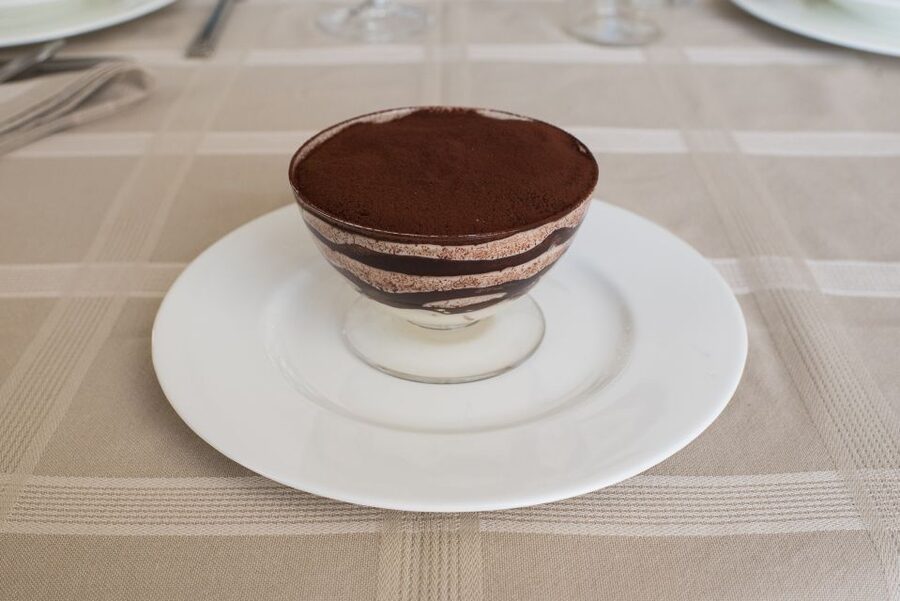
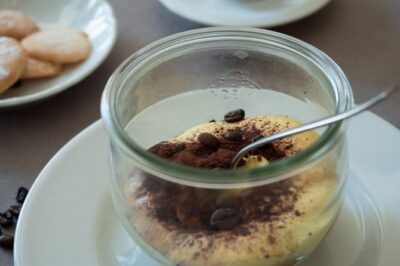
Tiramisu provides the sweet finish. You learn how to prepare this widely loved Italian dessert, then taste the finished result along with the pasta.
This is a smart choice for a short class. Pasta gives you a hands-on savory project, while tiramisu adds a different set of steps and flavors. It also means the class covers a complete Italian meal rather than stopping after the main course.
The information does not specify the exact recipe, ingredients, or presentation. You should not assume that the tiramisu will follow one particular regional style. What you can count on is instruction in making the dessert and a serving to enjoy during the final meal.
For families and mixed-age groups, the tiramisu portion may be especially appealing, though the activity itself is not described with a minimum age. If you are booking for children, confirm age requirements directly before paying.
What the three-hour schedule means
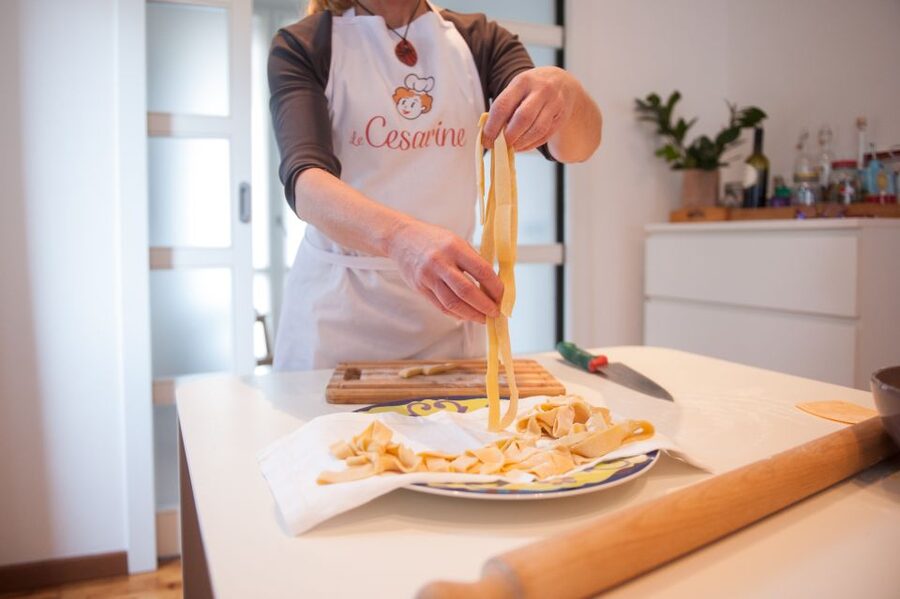
Three hours is long enough for a proper cooking session, but short enough to fit into a day of sightseeing in Ragusa. The starting time is not fixed in the supplied details, so you need to check the available options for your date.
A three-hour class can feel full without being rushed. The likely flow is aperitivo and introductions, pasta preparation, tiramisu preparation, cooking and tasting, with conversation woven throughout. The exact order may vary by host.
Do not schedule another important activity immediately afterward. Home-based classes can run at a friendly pace, and the final tasting is part of the experience. Give yourself time to finish the meal and say goodbye without watching the clock.
The class ends back at the host’s home, which is also where it begins. There is no separate restaurant transfer or sightseeing stop included. The value is concentrated in the food lesson and the social setting.
Is $152.93 a fair price?
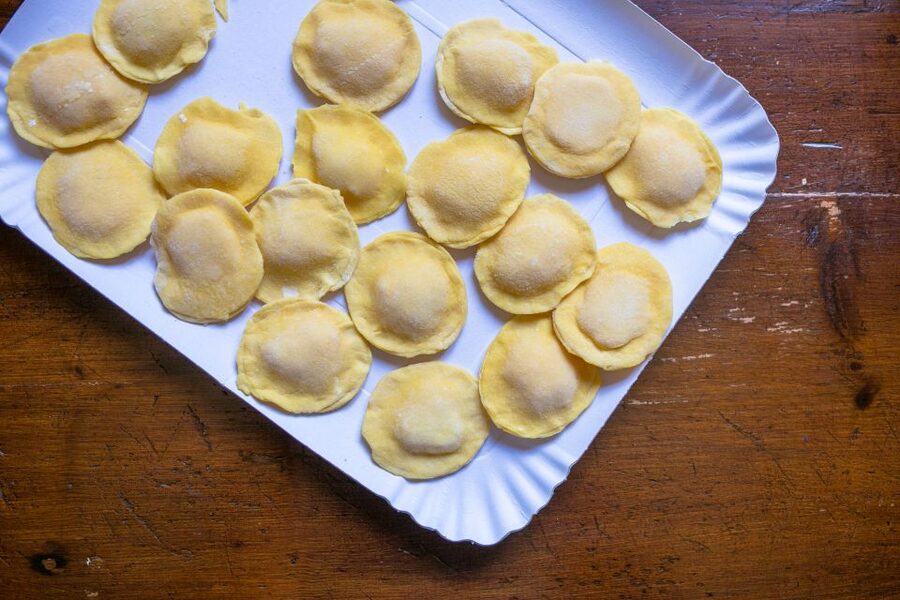
At $152.93 per person, this is a premium cooking experience. The price covers three hours of instruction, two pasta preparations, tiramisu, an aperitivo with prosecco and nibbles, water, wine, coffee, local taxes, and the food you taste.
I would not compare it only with the price of a plate of pasta in Ragusa. You are paying for access to a local home, guidance from an Italian cook, the chance to prepare the food yourself, and a complete meal with drinks. If you value an activity that leaves you with practical skills and a personal connection, the price can make sense.
The value is weaker if you mainly want a cheap dinner. You could spend far less at a restaurant and avoid the work. You also may not get a specific pasta shape or a highly technical lesson. The class suits you best if the process matters as much as the meal.
The very positive note about a wonderful evening with super nice people also points to the social value. A friendly group can make the price feel worthwhile. A quiet or highly private dining experience is a different goal.
Who will enjoy this class most?
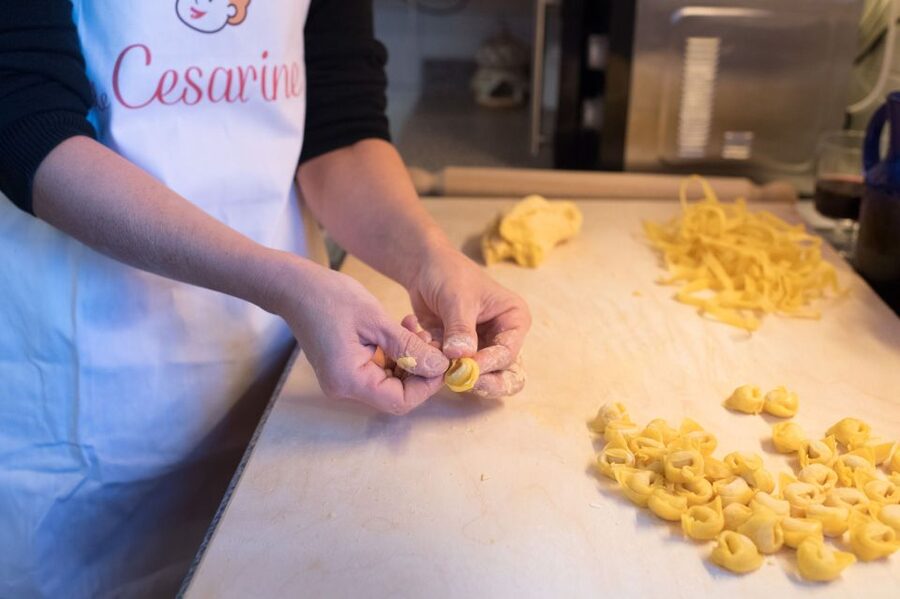
I would recommend it to people who want food to be part of their connection with Sicily. It works particularly well for couples, friends, solo visitors who enjoy meeting people, and families looking for an activity beyond sightseeing.
It is also a good fit for beginners. You do not need to arrive with pasta-making experience. The lesson begins with basic hand-rolling and moves through two pasta types and tiramisu.
English and Italian are available, which makes the instructions more accessible if you do not speak Italian. Still, cooking uses gestures, demonstrations, and shared work, so the setting may feel manageable even when language skills are limited.
I would be more cautious if you have serious allergies or food intolerances. You are asked to provide that information so the company can match you with an appropriate home cook, but you should communicate clearly before the class and confirm that your needs can be handled.
The experience is not suitable for wheelchair users. If mobility is important for you, ask about the specific home and access before booking rather than relying only on the general description.
Booking details that matter
The class offers free cancellation up to 24 hours before the start time for a full refund. You can also reserve now and pay later, which helps if your Ragusa schedule is still changing.
Once you book, provide your food restrictions, accommodation neighborhood, and planned method of transport to the home. The company then sends the host’s full address and telephone details. Customer operations are available seven days a week if you need more information.
Because the exact home is private, allow extra time to find it. Keep the host’s contact details available on the day, and make sure your phone is charged. These are simple steps, but they matter more when your meeting point is not a public business with a visible sign.
Should you book the Ragusa pasta class?
Book this class if you want to cook, eat, and spend an evening with a local person. The best parts are the hand-rolled sfoglia, two pasta recipes, homemade tiramisu, and the easy social start with prosecco and nibbles.
Skip it if you want the lowest-cost meal, a named pasta specialty, or a wheelchair-accessible venue. At $152.93, the experience earns its price through participation and hospitality, not quantity of food alone.
For the right person, this is a warm and practical way to make Ragusa part of your dinner rather than simply the backdrop. You leave with a full meal, a few new cooking skills, and an evening built around the very Italian pleasure of making food together.
FAQ
Where does the cooking class take place?
The class takes place in a local host’s home in Ragusa. The full address and telephone details are provided after booking for privacy reasons.
How long does the experience last?
The cooking class lasts three hours. Starting times vary, so you need to check availability for your chosen date.
What will I learn to cook?
You will learn to roll sfoglia, or fresh pasta, by hand, prepare two different pasta types, and make tiramisu.
Are food and drinks included?
Yes. The experience includes the food used in the class, tasting of both pasta recipes and tiramisu, water, wine, coffee, prosecco, and aperitivo nibbles.
Is an Italian aperitivo included?
Yes. The class begins with an Italian aperitivo featuring prosecco and small nibbles.
What languages are available?
The instructor can provide the experience in Italian and English.
Do I need to provide allergy information?
Yes. You should provide information about food intolerances and allergies when booking or email it to [email protected] with your booking reference and name.
Do I need to provide my accommodation details?
You should provide the neighborhood where you are staying and explain how you plan to travel to the host’s home. This helps the company match you with a suitable local cook.
Is the experience suitable for wheelchair users?
No. The activity is listed as not suitable for wheelchair users.
Can I cancel the booking?
Yes. You can cancel up to 24 hours in advance for a full refund. The experience also offers a reserve-now, pay-later option.
Just added around Italy
- Vicenza: Pasta & Tiramisu Cooking Class at a Local’s Home★ 5.0 · 5 reviews
- Verona: Tortellini Cooking Class and Lunch with Mamma Ivana★ 5.0 · 20 reviews
- Volterra: Fresh Pasta Cooking Class at a Tuscan Farmhouse★ 5.0 · 33 reviews
- Verona: Pasta & Tiramisu Cooking Class at a Local’s Home★ 5.0 · 16 reviews
- Verona: Pasta Cooking Class with Wine Tasting★ 5.0 · 4 reviews
- Venice: Share Your Pasta Love in a Local’s Home★ 4.8 · 20 reviews
- Verona: Prosecco and Pasta Making Class at a Local’s Home★ 5.0 · 10 reviews
- Verona: My Granny’s secrets making gnocchi★ 5.0 · 7 reviews
Tiramisu Classes, compared.
3 in 1 Cooking Class near Navona: Fettuccine, Ravioli & Tiramisu
Read our review →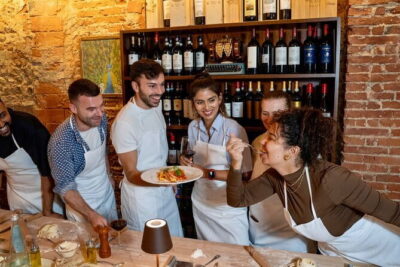
Pasta & Tiramisu Cooking Class with Unlimited Wine
Read our review →
Pasta & Tiramisu Class with Fine Wine by the Vatican
Read our review →
3-in-1 Fettuccine, Ravioli, and Tiramisu Cooking Class
Read our review →
Learn to Make Pasta & Tiramisu with Wine and Limoncello Included
Read our review →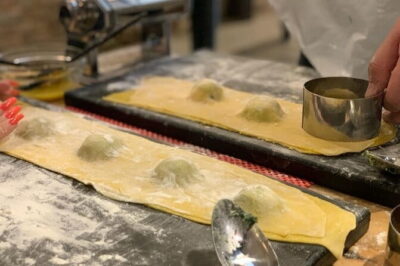
Cooking Class Pasta & Tiramisu Making Unlimited Wine
Read our review →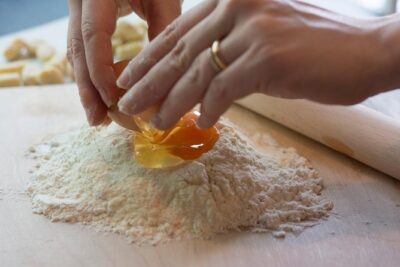
Become a Masterchef in Rome: Pasta, Ravioli and Tiramisù Class
Read our review →