
Review · POSITANO
Ravioli & Tagliatelle Cooking Class at a Local’s Home in Positano
Pasta tastes better with a family story. This three-hour class brings you into a local home in Montepertuso, above Positano, where Emily, Genny, and their family teach recipes linked to their grandmother. I love the home setting and the chance to use produce picked from the garden. I also like that the meal comes with wine, prosecco, limoncello, and plenty of family conversation.
The main consideration is the location. You meet at Piazza Cappella, not at Positano’s beach, and the home is reached in the Montepertuso area. The hosts can help arrange a shared taxi, but you should allow extra time and confirm your ride before the class. At $181.41 per person, this is not a cheap lunch, but the cooking lesson, full meal, drinks, recipes, and personal welcome give it real value for the right kind of visitor.
Key points to know before you book

- Three handmade dishes: Learn ravioli, tagliatelle, and the family’s tiramisu recipe during a class lasting about three hours.
- A real family home: Emily, Genny, and their mother take part, giving the class a personal feel rather than a restaurant demonstration.
- Garden-to-table ingredients: Tomatoes, vegetables, herbs, and other produce may come from the property’s garden.
- Montepertuso views: The home offers broad views toward Positano and the Li Galli area, making the setting part of the experience.
- A generous meal: Expect an aperitif, caprese salad, grilled vegetables, pasta, dessert, wine, prosecco, and homemade limoncello.
- Small-group atmosphere: The maximum is 14 people, while several sessions described by attendees had about 12 or fewer.
A family kitchen above Positano
The strongest reason to book this class is not the pasta alone. Positano has no shortage of food experiences, but this one takes place in a family home where recipes are connected to several generations.
Emily leads much of the instruction in English. Genny and their mother are also part of the welcome and meal, and the family shares stories about their grandmother, great-grandmother, land, food, and traditions. That family involvement changes the tone. You are not simply watching someone roll dough at a worktable. You are spending an afternoon or evening in the place where these recipes have personal meaning.
The class also has a social side. You may cook with couples, families, or small groups from different countries, then sit down together to eat what you have made. Singing, dancing, jokes, and plenty of conversation are part of the atmosphere described by people who attended.
That lively mood will suit you if you enjoy meeting others. It may be less appealing if you want a quiet, private lesson with a chef focused only on technique. The class is intimate by cooking-tour standards, but it is still a shared activity with up to 14 people.
More Ravioli and Gnocchi Classes in Positano:
- Small-Group Cooking Class in Positano: Gnocchi, Tiramisù & Drinks
★ 5.0 · 191 reviews - Forage Herbs, Make Grandma’s Ravioli & Tiramisù w Our Family
★ 5.0 · 63 reviews - Milk the Cow & Make Mozzarella and Gnocchi with Our Family
★ 5.0 · 36 reviews
Meeting in Montepertuso instead of at the beach
The meeting point is Piazza Cappella in Montepertuso, listed as Piazza Cappella, 84017 Positano SA, Italy. The activity ends back at the same meeting point.
Montepertuso is a mountain settlement above the main Positano center. The location gives the experience a different feel from the crowded lanes and beach area. The family villa has a balcony and kitchen views described as a major part of the occasion. From the property, you can see toward Positano and the Li Galli area.
One practical point matters here: getting to Montepertuso is part of your planning. A taxi from the main Positano area can add cost, so it is useful that Emily has helped arrange shared cabs for groups. Several attendees appreciated this because splitting the ride made the transfer more manageable.
I would contact the host in advance about the pickup plan, especially if you are staying near the beach, have children with you, or are attending an evening session. The class is near public transportation and is listed as suitable for children, but the road up to Montepertuso is still something to account for when setting your schedule.
The stated itinerary includes Montepertuso and Li Galli. Montepertuso is the actual home setting. Li Galli is best understood as part of the view and surrounding setting rather than a separate sightseeing stop with a guided visit. Do not book this expecting a boat trip or a formal tour of the islands.
The welcome aperitif starts things gently
The class begins with a welcome aperitif. You may be served salami, tarallucci, local cheese, olives, and a glass of prosecco.
This is a useful opening because it gives everyone time to arrive, meet the family, and get comfortable before the hands-on work begins. It also sets the pace. This is not presented as a rushed lesson where one dish follows another with a stopwatch running.
The family’s hospitality is one of the most praised parts of the experience. You are welcomed as though you have arrived at a friend’s home, and the hosts make room for conversation and personal stories. Homemade limoncello may also be served during the meal.
Alcohol is included in the food experience, so keep that in mind if you do not drink. The menu also includes plenty of food, which makes this more like a long social meal with instruction than a short class followed by a small tasting.
Picking vegetables from the garden
The food begins with the ingredients. The class description places special attention on picking fresh produce from the family garden and using organic ingredients connected to local recipes.
The meal may include caprese salad with fresh tomatoes and local mozzarella, rocket, and grilled vegetables gathered from the garden. This simple course gives you a useful look at the southern Italian approach to cooking: good tomatoes, fresh cheese, vegetables, olive oil, and careful preparation do much of the work.
You are not just hearing that ingredients are local. You may see where some of them come from before eating them. That connection is one of the experience’s best features, especially if you have spent much of your Positano visit eating in restaurants and want to understand more about home cooking in the area.
The menu is not entirely fixed. The ravioli filling may be made with ricotta, vegetables, or meat, and the ingredients can be chosen together. If you have dietary needs or strong preferences, tell the host before the class rather than waiting until the work begins. The supplied information does not promise a specific vegetarian, vegan, or allergy-free menu, so those arrangements should be confirmed ahead of time.
More Home Cooking Classes in Positano:
- Private Pasta & Tiramisu Class at a Local’s Home in Positano
★ 3.5 · 3 reviews - Pastamama, Home Cooking Classes at Grace’s Home
★ 5.0 · 521 reviews - Small Group Pasta and Tiramisu Class at Local’s Home in Venice
★ 4.5 · 236 reviews - Catania: Pistachio Ravioli, Pasta Home Cooking Class w/ Wine
★ 4.7 · 204 reviews
Rolling dough for ravioli and tagliatelle
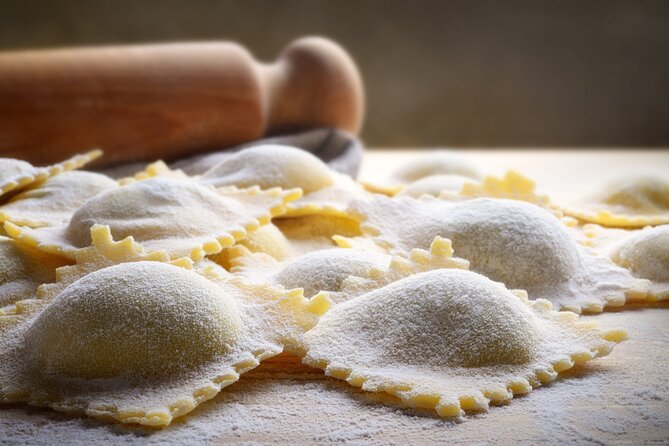
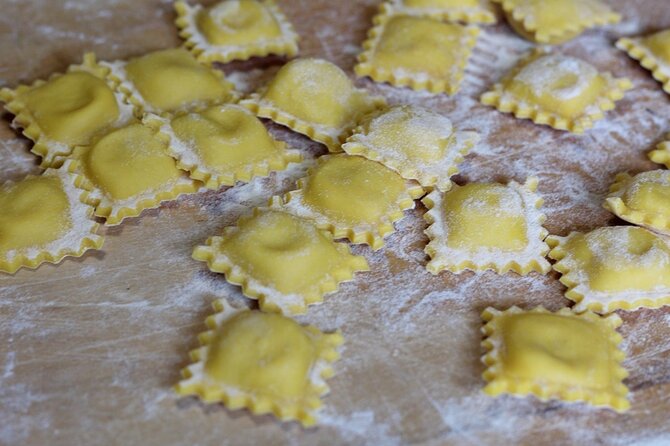
The main lesson covers two kinds of fresh pasta: ravioli and tagliatelle. You learn how to make the dough, roll it, fill the ravioli, and cut the tagliatelle.
This is the part where the class becomes genuinely hands-on. Making a long sheet of dough can take group effort, and the work is physical enough to be fun without being strenuous. You might not leave with restaurant-perfect shapes, but you will gain a better sense of how fresh pasta is handled and why the texture differs from dried pasta.
The ravioli filling can be selected with the family. Ricotta is one option, along with vegetables or meat. The tagliatelle is paired with fresh ingredients, including produce from the garden. The class focuses on traditional family methods rather than complicated restaurant tricks.
Emily is described as a patient teacher who offers practical tips for making pasta at home. That matters because a good cooking class should leave you able to repeat at least part of the meal. Recipe PDFs are provided, and some attendees received additional portions of food to enjoy beyond what they made during the lesson.
You should expect a relaxed group lesson, not a private master class. Emily may demonstrate a step, then guide everyone through it. If your priority is learning precise culinary technique, ask questions as you go. If your priority is a warm social afternoon with useful skills, the format should work well.
Tiramisu brings the lesson to a sweet finish
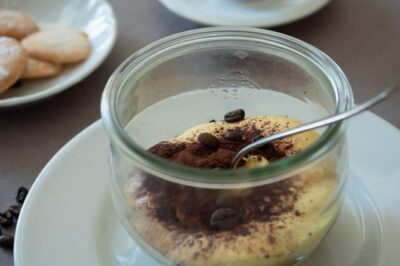
The dessert is tiramisu, made from an old family recipe associated with the hosts’ grandmother.
This may sound like a familiar choice, but it works well here because the dessert gives the class a third recipe with a different rhythm. Ravioli and tagliatelle require rolling, shaping, and cutting. Tiramisu is more about assembling ingredients and learning the family’s preferred method.
Even people who do not usually choose tiramisu may find this version a pleasant surprise. The recipe is included among the instructions you can take home, so you leave with more than a single pasta lesson.
The class description promises three traditional recipes, but the actual amount of food is more substantial. Along with dessert, you can expect the aperitif, caprese salad, grilled vegetables, pasta, wine, prosecco, and possibly limoncello. Plan to arrive hungry and avoid booking a large dinner immediately afterward.
The meal and the view are part of the class
Once the cooking is done, you sit down to eat the meal prepared together. This is when the class feels most like a family gathering.
The view from the villa is a major bonus. The home’s balcony looks toward the Positano area and the Li Galli side of the coast, giving you a setting that would be difficult to reproduce in a standard restaurant classroom. You may eat indoors or outside depending on the weather and the arrangements for the day, but the experience requires good weather, so conditions can affect the schedule.
The meal is generous rather than minimal. You are likely to taste more than the pasta you personally shaped, and the shared table encourages conversation with the other participants. Emily has also taken photographs and videos for some groups and shared them through WhatsApp before they left. That is a thoughtful extra, though you should treat it as part of the host’s style rather than a formal guarantee.
The relaxed pace is important. This is not an activity to squeeze between a beach visit and a timed ferry. Set aside at least three hours, and add transfer time to and from Montepertuso.
What the $181.41 price gives you
At $181.41 per person, this class costs more than a basic pasta lesson in a cooking school. The question is what you value.
You are paying for more than instruction. The price includes a three-hour experience in a family home, a full meal, several drinks, garden produce, three recipes, and time with a local family. The view and the taxi coordination can add value, particularly if you would otherwise spend money on a separate meal and transportation.
I think the cost is reasonable for a special occasion, a birthday, or the food-focused highlight of a Positano stay. It is less compelling if you only want to learn pasta technique as cheaply as possible. In that case, a shorter group class may suit you better.
The class also provides something difficult to measure: a personal connection to the place. You hear about the grandmother’s recipes and the family’s life in the area while eating food made in their home. For many people, that is worth more than a polished cooking studio.
Who will enjoy this most
I would recommend this for couples, families, and small groups who like food, conversation, and local traditions. It is also a strong choice for a birthday or a final-night activity, when a shared meal can become the main memory of the trip.
Children are allowed, and the hands-on dough work can keep them involved. Parents should still consider the long meal, alcohol-centered welcome, and transport up to Montepertuso when deciding if it fits their family.
This is also a good option for anyone who wants a break from Positano’s busy center. You get mountain air, a family setting, and a slower meal without giving up the famous coastal views.
I would be more cautious if you need a strictly private class, have serious food allergies, do not drink alcohol, or want a highly technical lesson. The supplied details do not promise private instruction or specific dietary substitutions, so ask before paying.
The experience is free to cancel up to 24 hours before the start time for a full refund. Late cancellations and changes are not accepted for a refund. Poor weather or failure to reach the required minimum group size can lead to a new date, another experience, or a full refund.
Should you book the Positano pasta class?
Book it if you want an evening or afternoon built around family hospitality, handmade pasta, and a memorable view. Emily, Genny, and their mother appear to put as much care into the welcome and storytelling as they do into the food.
Skip it if your goal is simply to learn pasta technique at the lowest price, or if getting up to Montepertuso will make your day stressful. For most food-loving visitors who can handle the transfer and enjoy a shared table, this is one of the more personal ways to experience Positano. The best reason to choose it is simple: you leave with recipes in your hand, a full meal in your memory, and a better sense of how food connects this family to its home.
FAQ
How long does the cooking class last?
The class lasts approximately three hours.
Where does the experience begin and end?
It begins at Piazza Cappella in Montepertuso, Positano, and ends back at the same meeting point.
What dishes will I learn to make?
You will learn to make fresh ravioli, handmade tagliatelle, and tiramisu.
Is food and drink included?
Yes. The menu includes a welcome aperitif with salami, tarallucci, local cheese, olives, and prosecco, followed by caprese salad, grilled vegetables, pasta, tiramisu, wine, and possibly homemade limoncello.
Is the class offered in English?
Yes, the experience is offered in English.
How many people can join the class?
The maximum group size is 14 people.
Can children join the cooking class?
Yes. The experience is listed as suitable for children.
What happens if I need to cancel?
You can cancel at least 24 hours before the start time for a full refund. Cancellations or changes made less than 24 hours before the start time are not refunded.
Just added around Positano
- Private Pasta & Tiramisu Class at a Local’s Home in Positano★ 3.5 · 3 reviews
- Cooking lesson: tagliatelle, mozzarella and tiramisu★ 5.0 · 11 reviews
- Milk the Cow & Make Mozzarella and Gnocchi with Our Family★ 5.0 · 36 reviews
- Hands-on Pasta Making Class near the Amalfi Coast with Rosanna★ 5.0 · 3 reviews
- Amalfi: pasta fresca, mozzarella e tiramisù★ 5.0 · 16 reviews
- Pasta and Tiramisù class with a panoramic view of Sorrento★ 5.0 · 10 reviews
- Amalfi: lezione di cucina su pasta, mozzarella e tiramisù★ 5.0 · 9 reviews
- Pasta & Tiramisù: Cook, Lunch & Beach Day in Amalfi Coast!★ 5.0 · 12 reviews
Ravioli and Gnocchi Classes, compared.
3 in 1 Cooking Class near Navona: Fettuccine, Ravioli & Tiramisu
Read our review →
3-in-1 Fettuccine, Ravioli, and Tiramisu Cooking Class
Read our review →
Fettuccine Pasta Cooking Class in Rome’s City Center
Read our review →
Become a Masterchef in Rome: Pasta, Ravioli and Tiramisù Class
Read our review →
Fettuccine & Tiramisù: Cooking Class with Wine & Limoncello
Read our review →
Rome Pasta and Tiramisu Class: Ravioli, Fettuccine & Fine Wine 5*
Read our review →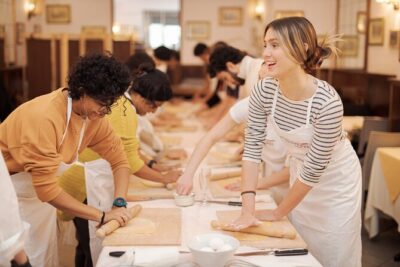
Pasta Cooking Class in Rome – Fettuccine Class in Piazza Navona
Read our review →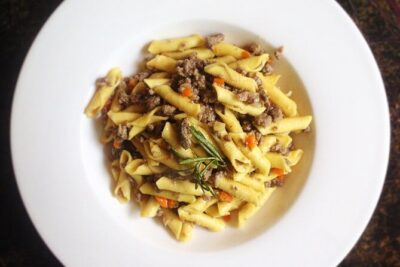
Browse the lists this tour appears in