
Review · MONTEPULCIANO
Tuscan Cooking Class -Traditional Pasta Menu
Fresh pasta beats a postcard every time. This four-hour class at farmhouse Le Caggiole gives you a practical way to meet Tuscan food, with two handmade pastas, tiramisu, local wine, and family recipes taught by chef and sommelier Giacomo. I especially like the small maximum of eight people and the chance to eat the meal you prepare.
I also like that the lesson covers more than recipes. You learn how to choose ingredients, shape pasta, understand local dishes, and pair three selected wines with the food. The main consideration is the price, $212.85 per person, which is a serious spend for a half-day activity. It makes the most sense if you value personal instruction, a full meal, and a social setting rather than a quick demonstration.
Giacomo and Cristiana receive especially warm praise for their friendly teaching style. One useful tip is easy to miss: you will stand for the cooking work, so wear comfortable shoes, eat a good breakfast, and tell the hosts about allergies before booking.
What makes this Montepulciano cooking class special
- A maximum of eight people keeps the lesson personal and gives you room to work at the counter.
- Chef Giacomo is also a graded sommelier, so wine pairing is part of the lesson, not an afterthought.
- You prepare four courses, including bruschette, pici, pappardelle with Cinta Senese pork ragù, and family-recipe tiramisu.
- The food is eaten at the same farmhouse, turning the lesson into a relaxed lunch around a large table.
- The final dessert is served on the terrace, with views from Le Caggiole as part of the setting.
- The class teaches technique and ingredient choices, not just a set of dishes to copy at home.
A four-hour morning at farmhouse Le Caggiole
The meeting point is Traversa di Montepulciano, 12, in Montepulciano, with a 9:30 am start. The activity returns to that same meeting point, and no transfer or shuttle service is provided. You will need to arrange your own way there and allow enough time to arrive ready for a prompt start.
The setting is farmhouse Le Caggiole, which gives the class a country feel rather than the atmosphere of a formal cooking school. That matters here. The food being taught is tied to Tuscan family cooking, and the farmhouse setting helps keep the mood informal and social.
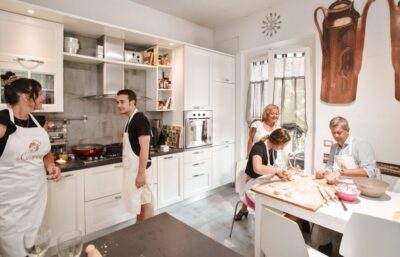
The group limit is eight people. That is one of the strongest practical features of the class. With a small group, you have a better chance to ask questions, watch the techniques closely, and get direct help while working with dough. It also means you will spend a good part of the morning talking with the other people at the table, which can be a plus if you like shared activities.
Solo visitors should contact the provider before booking. The hosts try to place single participants into an already scheduled small group, rather than running a separate session or leaving one person without a suitable class arrangement.
A few more classes around Italy worth a look
- Florence: Pasta Cooking Class with Unlimited Wine
★ 4.9 · 10,285 reviews - 3 in 1 Cooking Class near Navona: Fettuccine, Ravioli & Tiramisu
★ 5.0 · 7,376 reviews - Florence Pizza or Pasta Class with Gelato Making at a Tuscan Farm
★ 5.0 · 6,801 reviews
Learning from Giacomo and Cristiana
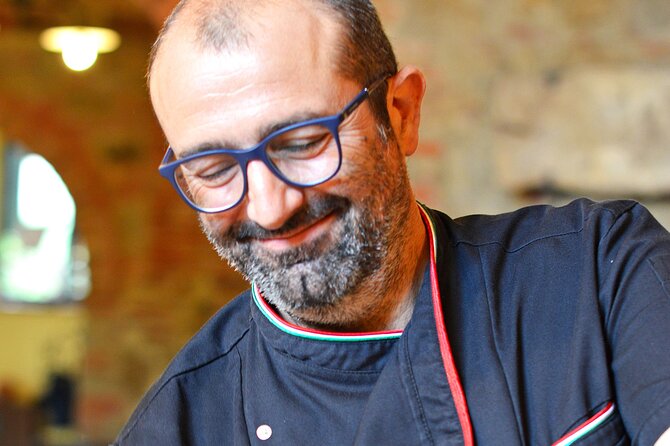
Giacomo leads the cooking and wine portions. His background as a chef and graded sommelier gives the class two connected parts: learning to make the food and learning why a particular wine works with it.
The instruction focuses on technique. You are not simply handed a recipe and told to follow it. The class covers the methods behind traditional fresh pasta, along with the basics of selecting good ingredients. This is useful for anyone who wants to cook more naturally at home instead of relying on exact recipe instructions every time.
Cristiana adds to the welcoming family feel of the morning. The two are described as a warm, cheerful team, and that partnership appears to be a major part of the experience. The tone is meant to be friendly and funny, with time for conversation as well as cooking.
One of the most useful lessons concerns the way you think about a dish. The class encourages you to begin with fresh ingredients and then build the meal around them. That approach may be more valuable than memorizing one particular pasta recipe, since it can change how you shop and cook after you return home.
The menu: four Tuscan courses made by hand
The morning leads to a four-course meal. You prepare the dishes, then sit around a large table to taste the results. Each savory course is paired with a selected local wine, creating what the hosts call a sensorial path through the meal.
Bruschette and the Tuscan starter
The meal begins with traditional bruschette and a typical Tuscan appetizer. This is a simple opening, but it gives the class a chance to talk about ingredients and the role of small starters in an Italian meal.
The value here is not complexity. Bruschette are straightforward, which makes them a good way to begin working with the group before moving on to pasta. You can pay attention to seasoning, bread, toppings, and the balance between the food and the first wine.
Same kitchen, a different thing to make:
- Florence: Pasta & Tiramisu Cooking Class with Unlimited Wine
★ 4.9 · 6,708 reviews - Florence: Pasta Cooking Class with Unlimited Wine
★ 5.0 · 6,413 reviews - Rome: Pasta & Tiramisu Class with Fine Wine by the Vatican
★ 4.9 · 4,852 reviews - Rome: Pasta Making Class with Wine, Limoncello, and Dessert
★ 4.9 · 3,177 reviews
Pici with a traditional sauce
Pici is one of the dishes that gives the menu a strong local identity. This thick, hand-rolled Tuscan pasta is rustic and satisfying, and making it by hand lets you see how much texture comes from the shape itself.
You will learn the practical motions needed to prepare the pasta, rather than watching a chef do everything for you. That hands-on work is central to the class. It also means the finished dish may not look restaurant-perfect, which is part of the fun. Fresh pasta made by a group of first-time cooks is likely to have character.
The traditional sauce keeps the focus on Tuscan cooking rather than flashy ingredients. The class is designed to help you understand the base methods and ingredient choices that make a simple dish taste good.
Pappardelle with Cinta Senese pork ragù
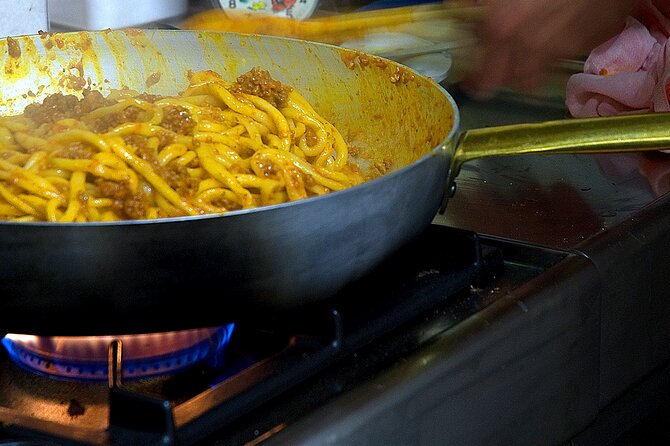
The second pasta is pappardelle with Tuscan meat ragù made with Cinta Senese pork. Pappardelle is broad, ribbon-like pasta, and its generous shape works well with a substantial meat sauce.
Cinta Senese is a local Tuscan pork breed, giving this course a clear connection to the area. The dish also provides a useful contrast with the pici. You make two different types of fresh pasta and taste them with different sauces, so you can notice how shape and sauce work together.
The wine pairing adds another layer. Giacomo guides you through the basic principles of matching food and wine, which can be more useful than a list of strict rules. You get to test the pairing at the table while eating the food you helped prepare.
Family-recipe tiramisu
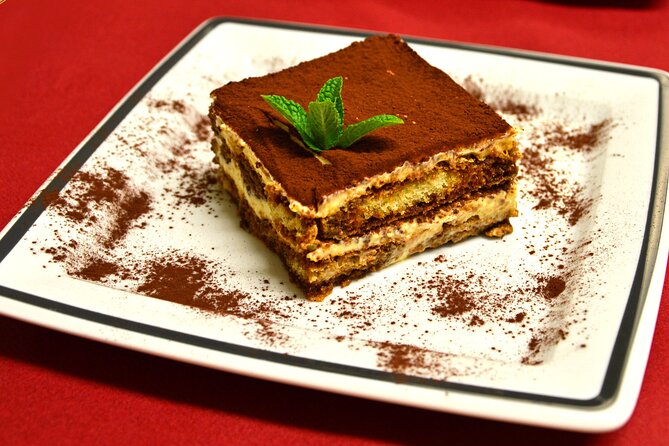
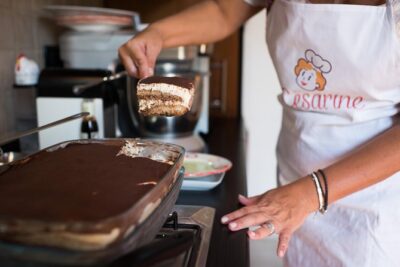
Dessert is a family-recipe tiramisu. You learn how to prepare it during the morning, then enjoy it later on the terrace.
The terrace setting gives the final course a slower finish. After standing and working in the kitchen, you can sit down, enjoy the view, and let the meal stretch out. It is a small but welcome change of pace from the practical work inside.
Three local wines and what the pairing adds
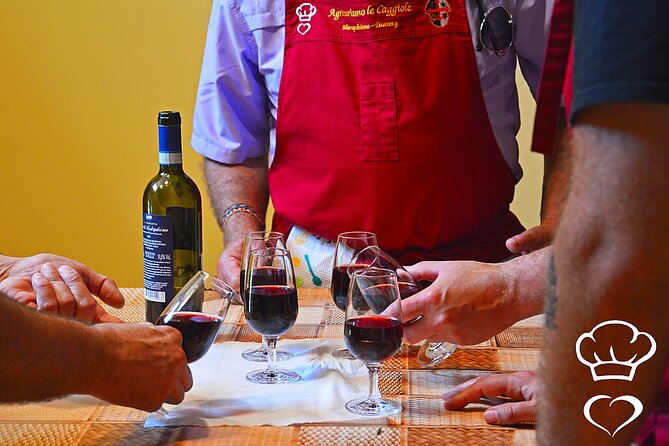
Three selected wines are included, with food pairings built into the meal. Since Giacomo is a sommelier, this part is more than simply pouring glasses alongside lunch.
The class teaches basic ways to choose wine for a dish. You will taste the wine with the appetizer, the pici, and the pappardelle, noticing how the pairing changes with each course. The dessert is not paired with wine according to the menu details.
This is a good feature for anyone who feels unsure about wine. You do not need an advanced vocabulary to get something from the lesson. The useful takeaway is learning a few basic ideas you can apply when ordering wine with Italian food later.
Alcohol is included, so the activity may not suit you if you do not drink. The supplied information does not specify nonalcoholic alternatives, so ask before booking if that matters to you.
Why the hands-on format matters
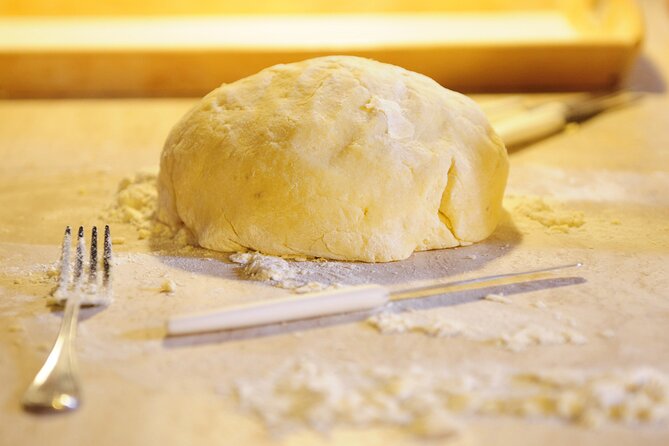
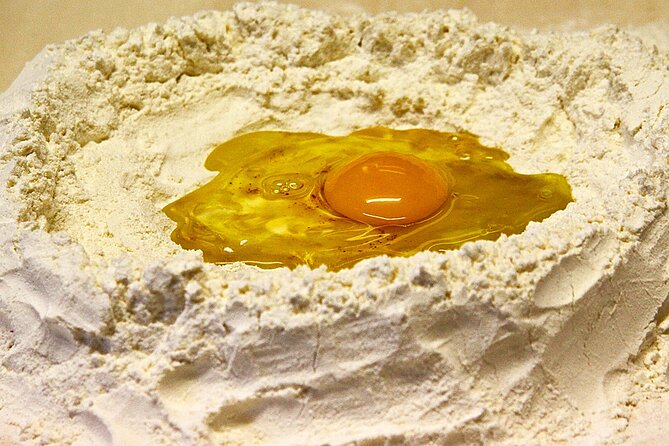
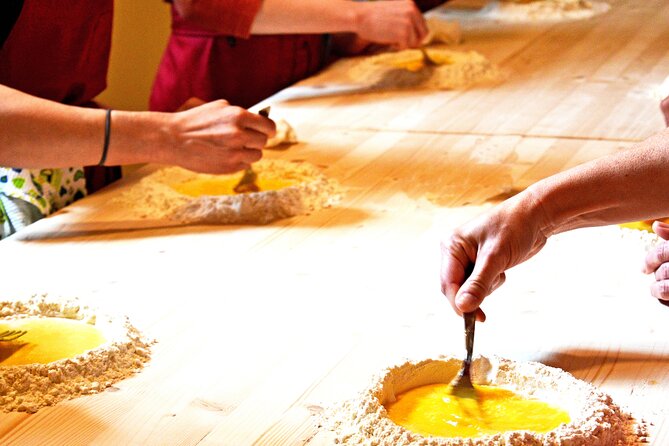
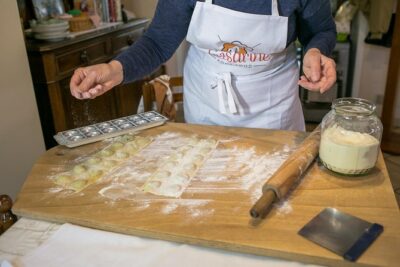
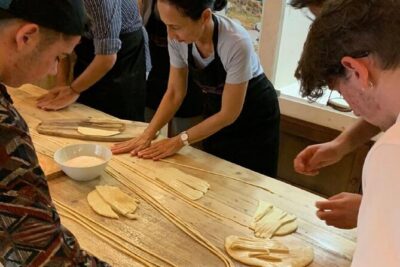
A cooking class can be either a demonstration or a real lesson. This one is built around practical work. You prepare appetizers, two pasta shapes, and tiramisu, using the provided ingredients, aprons, and kitchen tools.
That format takes more effort than sitting and watching. You will be on your feet during the preparations, and the hosts specifically recommend comfortable clothing and shoes. For hygiene reasons, you cannot wear rings, large bracelets, or artificial nails while cooking.
The no-recording rule is also important. Video and other recordings are not allowed during the preparations. If you want to remember the methods, ask for the pencil and block notes offered on request, and pay close attention while Giacomo demonstrates each step.
The restriction may disappoint anyone hoping to film a full cooking tutorial. On the other hand, it keeps the group focused on the lesson and the people in the room. You should arrive ready to take part rather than document every movement.
Food allergies, breakfast, and other useful preparation tips
Eat a good breakfast before the class. The cooking begins in the morning, and the main meal comes toward the end, so you should not arrive hungry and expect the tasting to begin right away.
Tell the provider about food allergies or intolerances before completing the booking. The hosts may be able to change a dish, but requests made after booking cannot be taken into account. This is especially important with a menu containing pasta, dairy, meat, and tiramisu ingredients.
Wear comfortable shoes and clothes that allow you to work while standing. Leave large jewelry at the hotel, and do not wear artificial nails for the preparation.
After booking, you are asked to send a WhatsApp text with your name, booking date, and email address. It is a slightly unusual extra step, but following it helps the hosts organize your place in the small group.
Is $212.85 a fair price?
At $212.85 per person, this is not a budget cooking lesson. The price includes the four-course meal, three local wine tastings, all ingredients, kitchen tools, aprons, instruction, and the farmhouse setting.
The value depends on how you use the morning. If you only want to eat pasta, the price is high. Montepulciano has plenty of places to buy a meal for less. But if you want personal instruction, hands-on practice, wine guidance, and a long shared lunch, the cost covers several experiences in one booking.
The small group helps justify the price. A maximum of eight people offers more direct attention than a large class, and the reviews consistently praise the teaching, food, and wine pairing. The strongest praise goes to Giacomo’s instruction and the friendly partnership between Giacomo and Cristiana.
The class is also a good value for families with adult children, couples who enjoy cooking, and food-focused visitors who want to return home with usable techniques. It is less suitable if you prefer a short, inexpensive demonstration or if you do not want to participate actively.
Who will enjoy this class most?
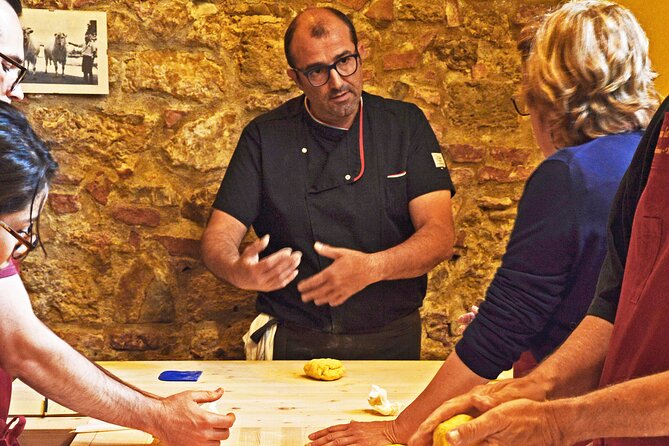
I would choose this experience if you want to understand Tuscan cooking rather than simply take a food-themed excursion. The emphasis on technique, fresh ingredients, local pork, pasta shapes, and wine pairing gives the morning real substance.
It suits people who enjoy social activities. The class includes conversation and time with classmates, and the hosts aim for a friendly atmosphere. It can also work well for a small family group, as the warm teaching style has been praised by people attending with adult children and partners.
You should think twice if you dislike standing for several hours, cannot drink alcohol, or need last-minute menu changes. The group is small, but that also means the class depends on everyone taking part and getting along.
The activity is frequently reserved well ahead of time, with an average booking lead time of 61 days. If you want a particular date during a busy visit to Montepulciano, booking early is sensible. Free cancellation is available up to 24 hours before the 9:30 am start, but cancellations or changes inside that window are not refunded or accepted.
FAQ
Where does the cooking class begin?
The class begins at Traversa di Montepulciano, 12, 53045 Montepulciano SI, Italy.
What time does the experience start?
The start time is 9:30 am.
How long does the cooking class last?
The activity lasts approximately four hours.
Does the experience include transportation?
No. Transfer and shuttle service are not provided. The activity ends back at the meeting point.
How many people can join the class?
The maximum group size is eight people.
What food will I prepare?
You will prepare traditional bruschette, pici with a traditional sauce, pappardelle with Tuscan meat ragù made with Cinta Senese pork, and tiramisu made from the family recipe.
Are drinks included?
Yes. The experience includes tasting three selected local wines paired with the food.
Can I tell the hosts about an allergy?
Yes, but you must provide information about food allergies or intolerances before completing the booking. Menu changes cannot be considered after booking.
Should I bring anything for the class?
Aprons, kitchen tools, and ingredients are provided. Pencil and block notes are available on request. Wear comfortable clothes and shoes, and do not wear rings, large bracelets, or artificial nails during the preparation.
Should you book this Tuscan cooking class?
Book it if you want a full morning of work, food, wine, and conversation in a small group. The strongest reasons are the hands-on pasta instruction, Giacomo’s cooking and wine background, the local Cinta Senese ragù, and the final meal on the farmhouse terrace.
Skip it if $212.85 feels too steep for lunch and a lesson, or if you want to film the cooking, avoid alcohol, or sit through most of the activity. For food-focused visitors who want a practical connection to Tuscan family cooking, this is one of the more useful ways to spend a morning near Montepulciano.
Just added around Italy
- Verona: Tortellini Cooking Class and Lunch with Mamma Ivana★ 5.0 · 20 reviews
- Volterra: Fresh Pasta Cooking Class at a Tuscan Farmhouse★ 5.0 · 33 reviews
- Vicenza: Pasta & Tiramisu Cooking Class at a Local’s Home★ 5.0 · 5 reviews
- Verona: Pasta & Tiramisu Cooking Class at a Local’s Home★ 5.0 · 16 reviews
- Verona: Pasta Cooking Class with Wine Tasting★ 5.0 · 4 reviews
- Venice: Share Your Pasta Love in a Local’s Home★ 4.8 · 20 reviews
- Verona: Prosecco and Pasta Making Class at a Local’s Home★ 5.0 · 10 reviews
- Verona: My Granny’s secrets making gnocchi★ 5.0 · 7 reviews
Montepulciano Pasta Classes, compared.
Cesarine: Small group Pasta and Tiramisu class in Montepulciano
Read our review →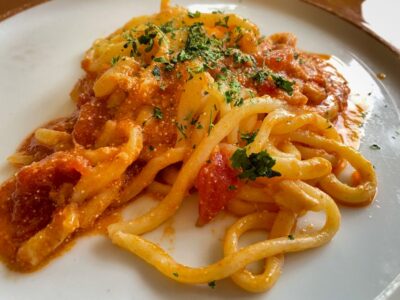
Private Pasta & Tiramisu in an Intimate Montepulciano Home
Read our review →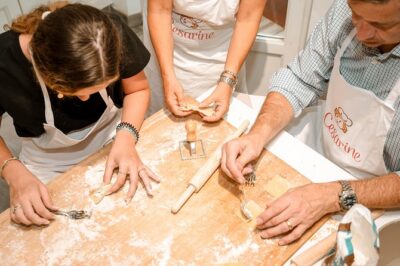
Cesarine: Fresh Pasta Class at Local’s Home in Montepulciano
Read our review →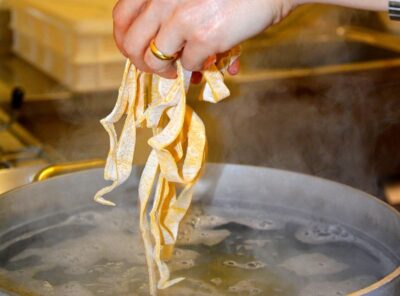
Browse the lists this tour appears in