
Review · MILAN
Small group Pasta and Tiramisu class in Milan by Cesarine
Fresh pasta tastes better when you make it. This three-hour Milan cooking class brings you into a local Cesarina’s home for aperitivo, hand-rolled sfoglia, two pasta dishes, and tiramisu. I like the small-group format, which allows more help at the table, and the warm home setting, which feels more personal than a standard cooking studio. The main thing to consider is that your host and exact location are assigned later, so the home may be farther from your hotel than expected.
The class costs about $155.42 per person, a fair price if you value a full meal, drinks, instruction, and time with a local host. I also like the choice of morning or evening sessions. Families can take part, though young children will need patience for the hands-on pasta work.
Key points to know before booking
- Aperitivo comes first: Begin with prosecco and snacks before the cooking starts.
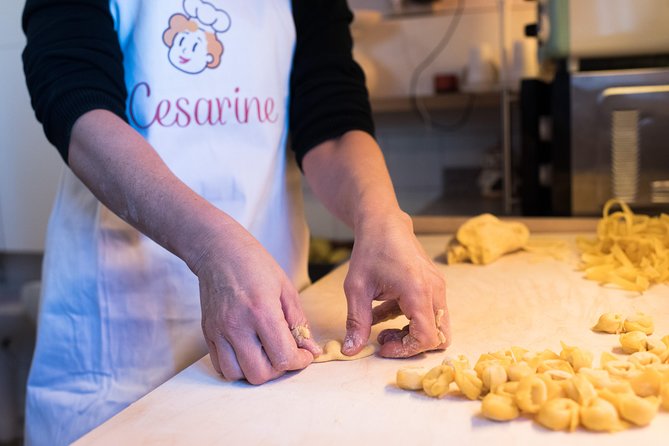
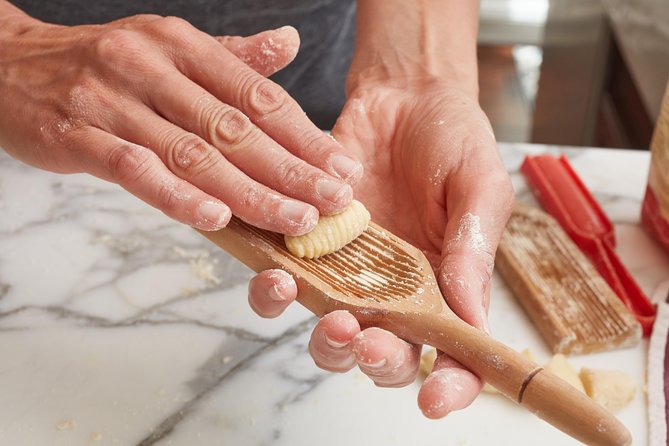
- You make two pasta dishes: The lesson covers hand-rolled sfoglia and two simple pasta preparations.
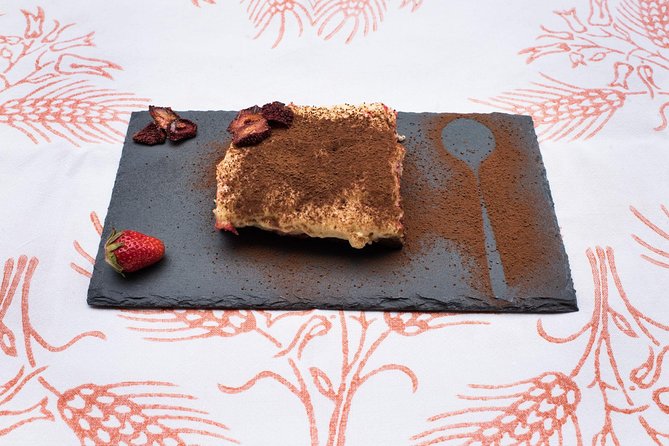
- Tiramisu is included: Dessert is made from scratch and served with the meal.
- Classes take place in private homes: The setting gives the experience a distinctly personal feel.
- Groups can reach 12 people: The class is still small enough for individual help, but it may not feel private.
- Morning and evening times are offered: Choose a session that fits your Milan plans.
Why this Milan cooking class feels different
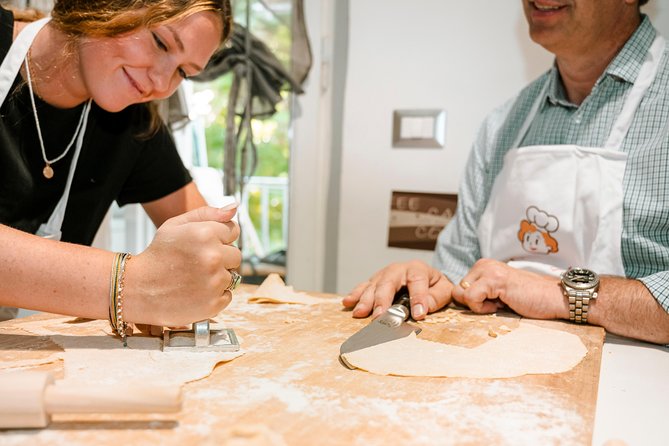
Milan has no shortage of food tours, but this class has a simple advantage: you spend time inside a real home. Instead of standing behind a counter in a busy school, you work at a domestic kitchen table with a Cesarina, a local home cook who guides you through the meal.
That setting changes the mood. You are not only learning recipes. You are also seeing how an Italian host welcomes people, sets a table, serves drinks, and turns a few basic ingredients into dinner.
The experience lasts about three hours. It begins with an aperitivo of prosecco and snacks, then moves into the cooking lesson. You prepare pasta and tiramisu, sit down to eat what you made, and enjoy drinks with the meal.
I like this order. You get a chance to settle in before working with flour and dough. It also makes the class feel like a social evening rather than a rushed demonstration.
The class is offered in English, though the level of fluency may vary from host to host. One successful class included a host whose son translated when needed. That arrangement worked well, but you should be comfortable with a relaxed, informal style of instruction rather than expecting a professional culinary school lesson.
More Tiramisu Classes in Milan
- The Secrets to Learn Fresh Pasta and Tiramisù in a Glam Home
★ 5.0 · 1,182 reviews - Milan: Pasta and Tiramisu Cooking Class with Wine
★ 4.8 · 1,106 reviews - Gnocchi, Pasta, Tiramisù and Wine Class
★ 5.0 · 691 reviews
Arriving at a Milanese home
The meeting information lists Milan and the Metropolitan City of Milan, with the class ending back at the meeting point. The exact home address is not provided at the time of the initial booking. It is assigned later, and the location may be chosen in relation to the area you submit.
This is worth keeping in mind before you pay. A home near your accommodation would be convenient, but you should not assume that will happen. One participant found the home easy to reach by tram, while another noted that the final location could be farther away than expected.
I suggest allowing extra time for public transportation. The class is near public transit, but Milan’s tram and metro connections still require a little planning. Check the final address as soon as it arrives, then confirm your route and arrival time.
The uncertainty has a trade-off. You cannot choose a specific host from the published information, and the person you meet may not be the same person described in other accounts. On the other hand, the host you receive may offer a more personal connection to a different part of Milan.
Starting with prosecco and aperitivo
The first part of the evening is deliberately easygoing. You begin with prosecco and snacks, giving you time to meet your host and the other people in the group.
This matters because cooking classes can feel awkward at first. An aperitivo gives everyone something to do while introductions happen. It also reflects an important Italian habit: food is often social before it is practical.
The drinks do not replace the meal. They set the tone for the cooking and offer a pleasant start before you handle dough. Some hosts may also serve wine, limoncello, or additional sweets with the finished meal. Those extras appear to depend on the individual home, so I would treat them as a bonus rather than a guaranteed part of the menu.
The home setting also affects the table itself. One host prepared a meal with china plates and proper silverware, making the class feel like a dinner invitation rather than a simple workshop. That kind of touch is one reason the price can make sense for you if atmosphere matters as much as the recipes.
Rolling sfoglia by hand
The central lesson is making sfoglia, fresh pasta rolled by hand. You learn how dough is prepared, worked, and flattened before it becomes pasta.
This is the part that requires the most hands-on effort. You are not simply watching someone shape pasta while you take notes. You work with the dough yourself, follow the host’s instructions, and see how the texture changes as it is rolled.
The lesson focuses on two different pasta preparations. The exact regional dish may vary, with examples including pizzoccheri, risotto, or lasagna. The supplied menu also refers to pasta and ravioli in the practical cooking experience, so your final dishes can depend on the host and the day.
That variation is important. If you want one exact recipe, this may feel less predictable than a class built around a fixed menu. If you prefer a local host’s own approach, the changing menu is part of the appeal.
You may also hear about the food of Lombardy and Milan as you cook. Pizzoccheri, for example, is associated with northern Italy, while risotto and lasagna show how broad the regional menu can be. The class is not presented as a formal lesson in Italian food history, but the kitchen setting gives you a natural place to ask questions about local ingredients and customs.
The small-group limit is 12 people. That is not the same as a private lesson, but it is more manageable than a large public class. You should have a chance to handle the dough and ask for help. The exact amount of personal attention will depend on the size of your session and the host’s teaching style.
Same kitchen, a different thing to make:
- Milan: Pasta and Tiramisu Small Group Cooking Class with Wine
★ 5.0 · 660 reviews - Milan: Fresh Pasta & Tiramisù Class in a Glamorous Home
★ 4.9 · 478 reviews - Milan Culinary Experience: Pasta & Gelato or Tiramisù Class
★ 5.0 · 337 reviews - Milan: Traditional Pasta and Tiramisù Masterclass
★ 5.0 · 307 reviews
Making two pasta dishes from scratch
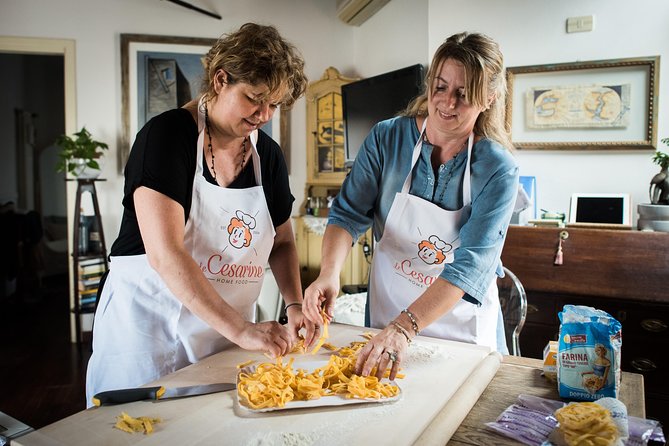
The promise of two pasta preparations gives the class useful range. You are not learning one shape and stopping there. You can see how the same basic dough becomes different dishes, with changes in filling, form, or cooking method.
This is especially useful if you want to repeat the lesson at home. A single recipe can be hard to remember after a trip. Two simple pasta dishes help you compare techniques and give you more than one idea for your own kitchen.
The food itself receives strong praise from the supplied comments. Descriptions include delicious pasta, light pasta, and excellent ravioli. Those details suggest that the class is not only about posing for photographs with flour on your hands. You actually sit down to eat the results.
Still, you should expect an informal home lesson, not a restaurant-level production line. Your pasta may not look perfect. That is part of the point. The host’s job is to help you understand the process, not to make every piece identical.
For families, this can be a good activity. One family chose it so the children could learn how to prepare food with fewer processed ingredients. Children who enjoy shaping dough should have fun, but the three-hour length and slower pace may test very young children.
Finishing with homemade tiramisu
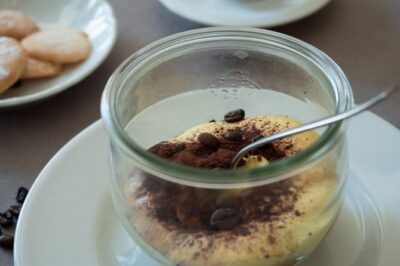
Tiramisu provides a welcome change from the pasta work. After handling dough, you prepare a classic Italian dessert and later serve it with the meal.
The dessert is consistently treated as a full part of the class rather than an afterthought. The practical descriptions include tiramisu made from scratch and served after the pasta. One account called the finished dessert perfect, while another highlighted the combination of dinner and dessert as a complete experience.
I like the balance here. Pasta gives you a physical task, while tiramisu lets you shift into assembling and tasting. You also leave with a second recipe that is easier to recreate at home than hand-rolled pasta.
The order of preparation may vary by host, and the information does not specify each ingredient or exact technique. You should expect guidance from the Cesarina rather than a printed professional syllabus.
Sitting down to eat what you made
The best payoff comes at the table. You eat the pasta and tiramisu prepared during the class, with drinks served along the way.
That shared meal is what separates this experience from a short pasta demonstration. You are given time to enjoy the food, talk with the host, and meet the other people in the room. One host made the evening feel like friends had stopped by for drinks and conversation. That relaxed feeling is central to the experience.
The food may be accompanied by wine, prosecco, limoncello, and sweets, though the exact selection can differ between homes. The listed aperitivo includes prosecco and snacks, while additional drinks are best viewed as host-specific.
The meal also makes the price easier to judge. At about $155.42 per person, you are paying for roughly three hours of instruction, a multi-course meal, drinks, and a local home setting. It is not a bargain cooking lesson, but it can be good value compared with paying separately for a meal and a short food activity.
The value is strongest for couples, families, and small groups who want an evening activity with conversation. If you only want to learn a basic pasta technique at the lowest possible price, a shorter school-based class may suit you better.
How the host can shape the experience
The Cesarina is the key variable. The supplied accounts describe several hosts, including Guliana, Sandra, Sissi, and Debora. Other hosts named in the experiences include Julianne and Filipino, while one class was led with help from a host’s son.
The common thread is hospitality. Hosts welcomed people into their homes, prepared the table, explained the recipes, and ate with the group. Sissi also shared information about Milan, its food, and its people while the meal came together.
You should not book this expecting a particular named host. The final assignment depends on the location and booking details. Instead, think of the names as examples of the range of people who may lead the class.
English ability can also vary. The class is offered in English, but one host used her son to translate when necessary. That did not prevent the group from cooking successfully, but you should be open to gestures, demonstrations, and a slower exchange if your host speaks less confidently.
Morning or evening: choosing the right time
You can choose between a morning or evening class. The better option depends on how you want to use your day in Milan.
A morning session leaves your evening free for a restaurant, concert, or walk through the city. It may also suit families who prefer activities earlier in the day.
The evening version feels more natural if you want the class to replace dinner. You begin with aperitivo, cook, then sit down to eat. The class can provide a calm break from Milan’s busy streets, especially if you have already spent the day sightseeing.
The experience lasts approximately three hours, so do not schedule a tight appointment afterward. You will want enough time to reach the home, cook at an unhurried pace, and finish the meal.
Sanitation and practical comfort
The host homes provide basic sanitary equipment, including paper towels for handwashing and hand sanitizer. The information also asks people to maintain one meter of distance and use masks and gloves when needed.
Because this takes place in a private home, comfort depends partly on the space and the group size. The maximum is 12 people. If you prefer a private setting, check whether a private option is available before booking, since the standard experience can include other people.
The class is near public transportation, but the final home address matters more than the general Milan meeting point. Wait for the assigned location before planning the exact route.
Confirmation is provided at booking. Free cancellation is available if you cancel at least 24 hours before the start time. Changes or cancellations within 24 hours are not refunded, and the minimum group requirement means the provider may offer another date or a full refund if the class does not run.
Who should book this class
I would recommend it most strongly to you if you want food to be the center of your Milan visit. It suits people who enjoy working with their hands, asking questions, and eating slowly with new company.
It is also a good choice for:
- Couples seeking a dinner activity with more personality than a restaurant
- Families whose children enjoy cooking and can manage a three-hour session
- People who want practical pasta skills they can try at home
- Anyone interested in meeting a local host inside a private residence
- Visitors who prefer a morning or evening activity with a built-in meal
I would be more cautious if you need an exact address at booking, a fixed menu, or a professional chef-led lesson. The host, home, and regional pasta selection can vary. That uncertainty is part of the personal nature of the class, but it may not suit a tightly planned itinerary.
Should you book it?
Book this class if you want a meal, a lesson, and local company in one evening. The strongest features are the home setting, the chance to make sfoglia by hand, the two pasta preparations, and the homemade tiramisu.
At $155.42, it is a special-occasion activity rather than a cheap meal. I think the price works when you value the three-hour pace, prosecco and snacks, instruction, dinner, and the chance to spend time with a Milanese host.
Skip it if you want a guaranteed named instructor, a fixed address from the start, or a completely predictable menu. For everyone else, this is a warm and practical way to trade another restaurant meal for something you help create yourself.
FAQ
How long does the Milan pasta and tiramisu class last?
The class lasts approximately three hours.
How much does the experience cost?
The listed price is about $155.42 per person.
Is the class offered in English?
Yes. The experience is offered in English, though some hosts may use additional translation help when needed.
What food will I prepare?
You will prepare fresh pasta, two different pasta dishes, and tiramisu. Regional examples may include pizzoccheri, risotto, or lasagna.
Is prosecco included?
Yes. The class begins with an aperitivo that includes prosecco and snacks.
Where does the class take place?
The class takes place in a Cesarina’s private home in Milan. The exact location is provided later rather than at the initial booking stage.
How many people can join the class?
The maximum group size is 12 people.
Is public transportation available near the class?
Yes. The activity is near public transportation, and one account describes reaching a host’s home by tram.
Can I cancel for a refund?
Yes. You can cancel at least 24 hours before the start time for a full refund. Cancellations or changes made less than 24 hours before the start time are not refunded.
More Small Group Pasta Classes in Milan
- Florence Small-Group Pasta Class with Seasonal Ingredients
★ 5.0 · 532 reviews - Bologna: Pasta and Tiramisu Small Group Cooking Class with Wine
★ 5.0 · 409 reviews - Palermo: Pasta and Tiramisu Small Group Cooking Class with Wine
★ 5.0 · 348 reviews - Rome Small Group Pasta Making Class with Wine and Italian Chef
★ 5.0 · 295 reviews
More Home Cooking Classes in Milan
- Cesarine: Pasta & Tiramisu Class at Local’s Home in Milan
★ 5.0 · 52 reviews - Share Your Pasta Love in a Local’s Home in Milan
★ 5.0 · 3 reviews - Pastamama, Home Cooking Classes at Grace’s Home
★ 5.0 · 521 reviews - Small Group Pasta and Tiramisu Class at Local’s Home in Venice
★ 4.5 · 236 reviews
Just added around Milan
- Share Your Pasta Love in a Local’s Home in Milan★ 5.0 · 3 reviews
- Easily Make Pasta, Bruschetta & Tiramisù★ 5.0 · 14 reviews
- Rockin kitchen : Fresh Pasta lesson with Music Aperitif Dinner★ 5.0 · 28 reviews
- Pasta and Tiramisu Cooking Class at Come Na Vorta Navigli Milan★ 5.0 · 16 reviews
- Italian Cocktail + Art of Making Pasta Cooking Class In Unique Milan Location★ 5.0 · 16 reviews
- PRIVATE Cooking Class in a Local Home – Pick Your Menu★ 5.0 · 18 reviews
- Milan: The Ultimate Pasta Mastery Workshop★ 4.0 · 21 reviews
- Pasta and Tiramisu join our cooking class★ 5.0 · 33 reviews
Tiramisu Classes, compared.
3 in 1 Cooking Class near Navona: Fettuccine, Ravioli & Tiramisu
Read our review →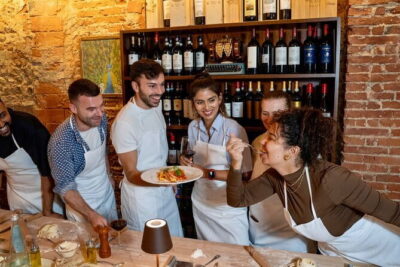
Pasta & Tiramisu Cooking Class with Unlimited Wine
Read our review →
Pasta & Tiramisu Class with Fine Wine by the Vatican
Read our review →
3-in-1 Fettuccine, Ravioli, and Tiramisu Cooking Class
Read our review →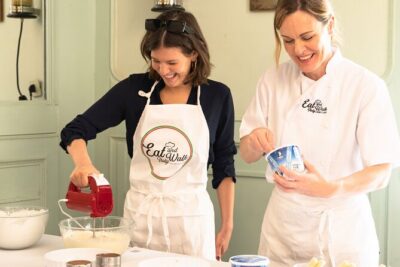
Learn to Make Pasta & Tiramisu with Wine and Limoncello Included
Read our review →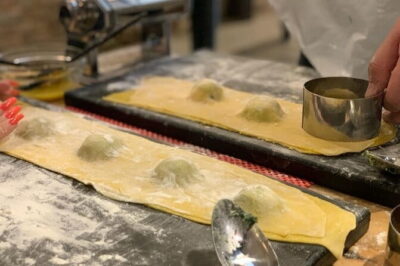
Cooking Class Pasta & Tiramisu Making Unlimited Wine
Read our review →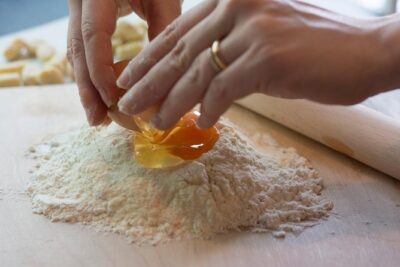
Become a Masterchef in Rome: Pasta, Ravioli and Tiramisù Class
Read our review →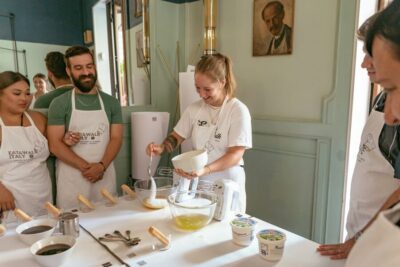
Fettuccine & Tiramisù: Cooking Class with Wine & Limoncello
Read our review →Browse the lists this tour appears in