
Review · ITALY
Share your Pasta Love: Small group Pasta and Tiramisu class in Pisa
Fresh pasta tastes better when you make it. This three-hour class brings you into a local Pisa home, where hosts such as Flora, Claudio, and Elena teach you to prepare two pasta dishes and tiramisu from scratch. I like the hands-on work, especially rolling and filling the dough, and I like the warm meal that follows, often with appetizers and wine. The main caution is practical: the exact home address is shared after booking, and it may not be close to central Pisa.
The small group, capped at 12 people, gives the class a personal feel. Solo participants have been welcomed warmly, and families have appreciated patient instruction for younger cooks. At $162.03 per person, this is not a cheap meal, but it includes cooking lessons, food, dessert, and time around a local table. Check the meeting details carefully if your Pisa visit is tied to a train or cruise departure.
Key points to know before you book
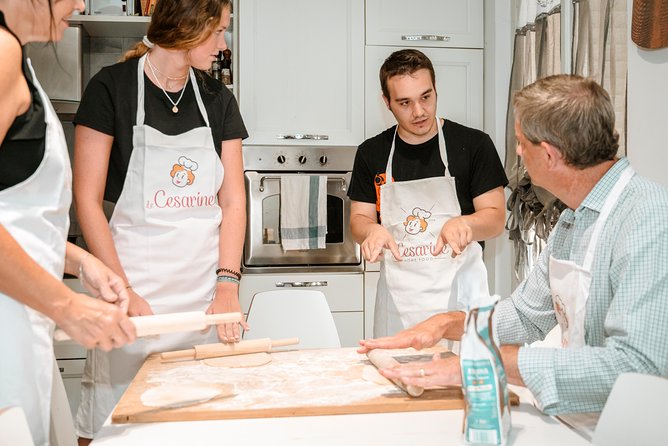
- You make two kinds of pasta by hand: Expect to work with dough, roll it out, and prepare filled pasta rather than simply watching a demonstration.
- The class takes place in a private home: You get a more personal setting than a restaurant school, but the precise address is not provided until after booking.
- Hosts vary by date: Flora and Claudio, or Elena and her husband, have hosted sessions described in the available details.
- The meal is part of the experience: You eat the pasta and tiramisu you prepare, with some hosts also serving appetizers, bread, wine, or extra ingredients.
- The group size is limited to 12: A smaller class can mean more help at the worktable, though the exact number may vary.
- Plan around the full three hours: This suits a relaxed Pisa day better than a tightly scheduled shore excursion.
Walking into an Italian home in Pisa
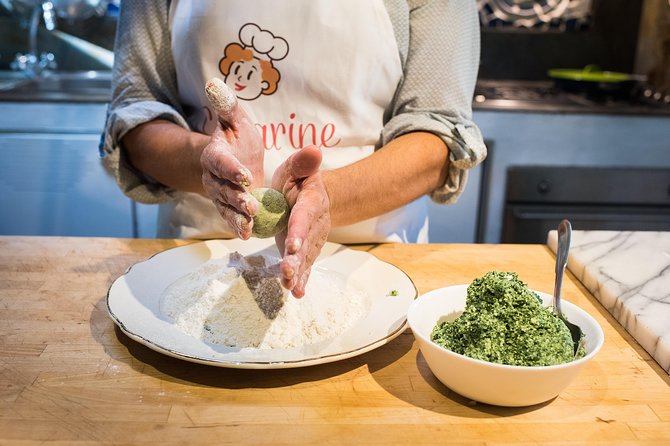
This is not a standard cooking school with rows of stainless-steel workstations. The class takes place in a carefully selected private home, where a local host welcomes you and teaches family methods in a domestic kitchen.
That setting changes the tone. You are not only learning a recipe. You are seeing how an Italian host explains food, handles dough, and talks about ingredients used in everyday cooking. The meal afterward gives the lesson a natural finish, since you sit down and eat what you have prepared.
Hosts named in the experience details include Flora and Claudio, along with Elena and her husband. The precise host depends on the date and assignment. Several sessions with Flora and Claudio are described as especially warm and relaxed, while Elena is praised for her patience and clear instruction.
You should expect a social experience. Participants have shared a table, talked with the hosts, and stayed longer than planned because the conversation was enjoyable. That is part of the appeal, but it also means this is not a fast in-and-out activity. If you prefer a highly polished school kitchen or a strict professional format, this home setting may feel informal.
More Tiramisu Classes in Italy:
- 3 in 1 Cooking Class near Navona: Fettuccine, Ravioli & Tiramisu
★ 5.0 · 7,376 reviews - Florence: Pasta & Tiramisu Cooking Class with Unlimited Wine
★ 4.9 · 6,708 reviews - Rome: Pasta & Tiramisu Class with Fine Wine by the Vatican
★ 4.9 · 4,852 reviews
The first task: preparing tiramisu early
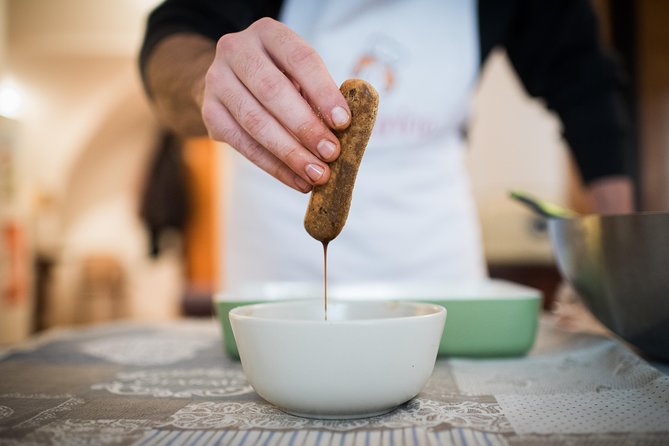
The exact order can vary, but the class includes tiramisu as one of the main preparations. In many cooking classes, dessert is made early so it has time to rest before the meal. You can reasonably expect the tiramisu work to happen alongside the pasta preparation rather than at the very end.
The value here is that you learn a complete Italian meal, not just one technique. Tiramisu looks simple, yet proportions and handling matter. One participant was especially pleased to leave with a recipe to use at home, while another described the finished dessert as fresh and delicious.
Do not expect a pastry-school lesson with elaborate decoration. The emphasis is on a traditional home recipe and the pleasure of making it together. If tiramisu is your favorite Italian dessert, this part alone adds real value to the class.
Rolling, shaping, and filling two kinds of pasta
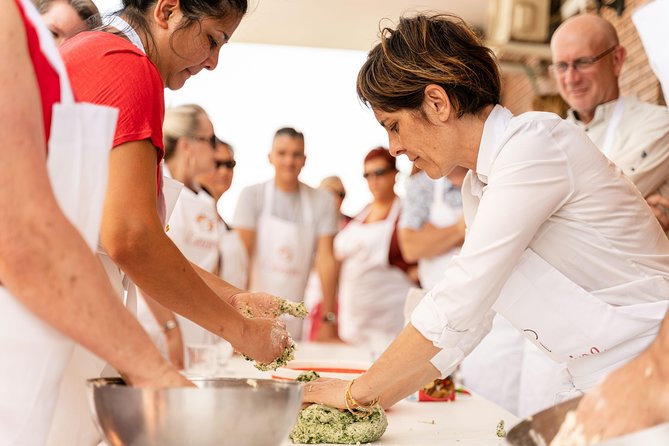
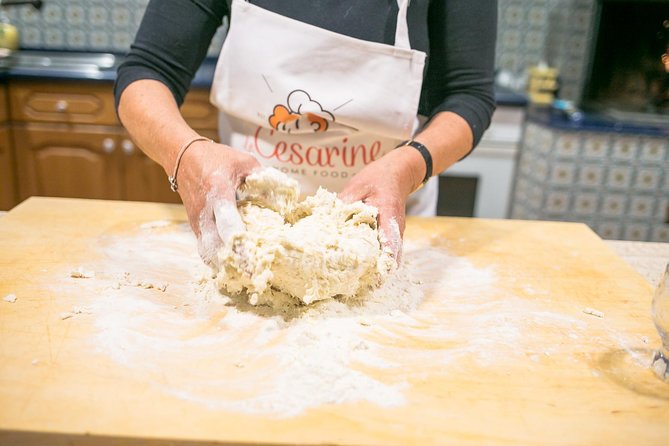
The pasta portion is the heart of the experience. You make two varieties, including the important steps of mixing or handling dough, rolling it out, and preparing filled pasta. This is useful because many pasta demonstrations show the technique without giving you enough time to try it yourself.
The available details describe different dough styles. One session included one egg dough and one dough without egg. Another included handmade gnocchi with pistachio pesto and pici with tomato sauce. The exact dishes are not fixed in the information provided, so you should treat these as possible examples rather than a guaranteed menu.
That variation is a strength if you enjoy local cooking. You may learn how ingredients and dough change from one dish to another. One participant also used both hand rolling and a pasta machine, which gives you two methods to try at home.
The class is especially suited to beginners because you work under direction. Elena has been described as patient, and Flora received praise for helping a 12-year-old cook. You will still need to take part actively. This is not a demonstration where someone else does the difficult work while you take photographs.
Expect flour, repetition, and a few imperfect shapes. That is part of the fun. Fresh pasta rewards touch, and you learn more by feeling the dough than by taking notes. You may not produce restaurant-perfect pieces on your first attempt, but you should leave with a better sense of texture, thickness, and handling.
The meal: pasta, tiramisu, and time at the table
After the cooking, you eat the two pasta dishes and the tiramisu. This is where the class feels like a shared meal rather than a lesson that ends when the burners turn off.
Some hosts also provide appetizers, bread, and wine. Flora and Claudio were praised for serving an appetizer and a bottle of white wine, while Elena’s sessions included extra food and conversation around the table. These additions appear to depend on the host, so do not book on the assumption that every menu will be identical.
The food is likely to feel more rewarding because you made it yourself. You have handled the dough, watched it cook, and then sat down to taste the result. That simple sequence creates a stronger memory than eating another plate of pasta in a busy restaurant.
The table time also matters for solo participants. A solo cook can feel awkward joining a group meal, but this experience has been described as welcoming to people attending alone. Couples and families may find it equally comfortable. The host-led setting gives everyone an easy subject to talk about: food.
More Small Group Pasta Classes in Italy:
- Milan: Pasta and Tiramisu Small Group Cooking Class with Wine
★ 5.0 · 660 reviews - Florence Small-Group Pasta Class with Seasonal Ingredients
★ 5.0 · 532 reviews - Bologna: Pasta and Tiramisu Small Group Cooking Class with Wine
★ 5.0 · 409 reviews - Palermo: Pasta and Tiramisu Small Group Cooking Class with Wine
★ 5.0 · 348 reviews
Why the small group matters
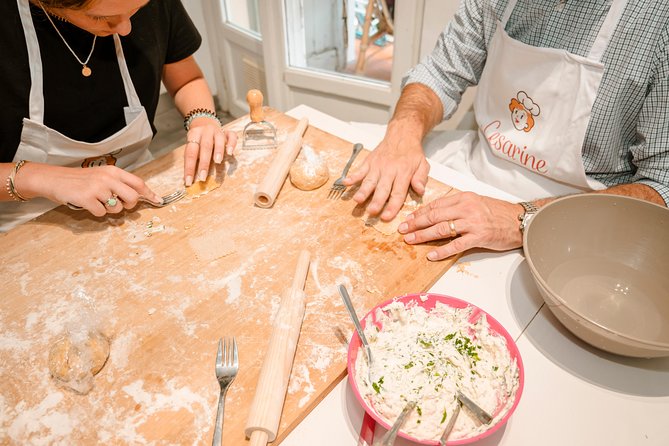
The maximum group size is 12 people. That is small enough to offer a more personal experience than a large commercial class, though it is not necessarily an intimate class of only two or four people.
Several sessions have involved just a couple, which created a very private feel. Other dates may include more people. The exact group size is not guaranteed, so you should think of 12 as the ceiling rather than the expected number.
A small group helps when you are learning pasta by hand. You may need a correction to your rolling technique, help with filling, or advice about the consistency of the dough. A host can only offer that kind of attention when the worktable is not crowded.
The personal setting also means the quality depends partly on your assigned host. Flora, Claudio, and Elena are described as warm, generous, and patient, but the cooking style and menu may vary. That is normal for a home-based activity, and it is also why you should choose this for the human contact as much as for the exact dishes.
The Pisa location needs careful planning
The activity begins and ends in Pisa, but the advertised starting point is a general Pisa location rather than the precise private home. The exact address is not released before booking for privacy reasons. After booking, check the voucher and meeting instructions closely.
This point deserves more attention than it usually gets. Two disappointed participants expected a location within walking distance of their Pisa accommodation, then found that the assigned home was in another town, roughly 20 kilometers away. They had trouble finding a taxi and could not fit the transfer into a tight schedule.
I would not pair this class with a short cruise stop or a train departure soon after the three-hour activity. Allow extra time for reaching the home and returning to the city. Public transportation is listed as nearby, but the supplied information does not promise a direct route or say that every home is within central Pisa.
Use the booking confirmation as your practical guide. Do not rely only on the broad Pisa map point shown before booking. If you have mobility, transport, or timing concerns, contact the provider before committing.
Is $162.03 a fair price?
At $162.03 per person, the price is high compared with a simple restaurant meal in Pisa. The comparison is not quite fair, though, because you are paying for instruction, ingredients, a three-hour hosted visit, two pasta preparations, tiramisu, and the meal afterward.
The value is strongest if you want an experience you can repeat at home. You leave with techniques rather than only a memory of a dish. The recipes and methods can become part of your own cooking routine, particularly the tiramisu recipe praised by one participant and the two-dough approach described in another session.
The price is less convincing if you mainly want to eat. Pisa has many places where you can enjoy pasta for far less money, and this class requires active participation. You should be ready to spend part of the afternoon or evening cooking, cleaning up as you work, and talking around a table.
For a special occasion, honeymoon, family activity, or food-focused day, I can see the value. For a budget-conscious stop with limited time, I would compare the cost against your transport plans and priorities.
Who will enjoy this class most?
I would recommend it to you if you:
- Want a personal introduction to Italian home cooking
- Enjoy learning by doing rather than watching
- Like meeting local people in a relaxed setting
- Are interested in making fresh pasta at home
- Have at least three hours, plus transport time
- Are comfortable with a menu that can vary by host
Families can do well here, since one host was praised for working patiently with a 12-year-old. Couples also appear to fit naturally into the home setting. Solo participants should not feel excluded, as the experience has welcomed people attending alone.
I would hesitate if you need a guaranteed central Pisa address, a fixed menu, or a rapid schedule. I would also think twice if you dislike social meals or prefer a formal culinary school with exact measurements and a set format.
What to check before the cooking day
Your confirmation is issued at booking, and the activity is offered in English. It has a mobile ticket, which is handy when you are moving around Pisa with only your phone.
Read the meeting instructions carefully once the reservation is confirmed. The home address is private before booking, and the general Pisa location may not show the actual travel distance. Build in time for the journey in both directions.
The provider also states that homes supply basic sanitary equipment such as paper towels and hand sanitizer. The posted guidance asks participants to keep one meter apart when possible and use masks and gloves when not. Follow the current instructions given with your confirmation.
Free cancellation is available if you cancel at least 24 hours before the start time. Changes or cancellations inside that window are not accepted for a refund. The activity also requires a minimum number of participants, and if that minimum is not met, you should be offered another date or experience, or a full refund.
Should you book this Pisa pasta class?
I would book it if you want a warm, social food experience and have room in your schedule for the full visit. The strongest reasons are the hands-on pasta work, the home setting, and the chance to share a meal with hosts such as Flora, Claudio, or Elena.
I would not book it blindly around a cruise departure or a tight train connection. First confirm the assigned meeting details and make sure you can reach the home. If you accept that the menu and host may vary, this can be one of the more personal ways to spend an afternoon in Pisa.
FAQ
How long does the pasta and tiramisu class last?
The experience lasts approximately three hours.
Where does the class take place?
The class takes place in a private local home in Pisa or the surrounding area. The general starting point is listed as Pisa, but the precise address is provided after booking for privacy reasons.
What food will I make?
The class includes pasta and tiramisu. You make two kinds of pasta, including rolling and filling the dough. Specific dishes can vary, with examples including gnocchi with pistachio pesto and pici with tomato sauce.
Is the class offered in English?
Yes. The experience is offered in English.
How many people can join?
The activity has a maximum of 12 participants.
Can I cancel for a full refund?
Yes, if you cancel at least 24 hours before the local start time. Cancellations or changes made less than 24 hours before the start are not eligible for a refund.
Just added around Italy
- Verona: Tortellini Cooking Class and Lunch with Mamma Ivana★ 5.0 · 20 reviews
- Volterra: Fresh Pasta Cooking Class at a Tuscan Farmhouse★ 5.0 · 33 reviews
- Vicenza: Pasta & Tiramisu Cooking Class at a Local’s Home★ 5.0 · 5 reviews
- Verona: Pasta & Tiramisu Cooking Class at a Local’s Home★ 5.0 · 16 reviews
- Verona: Pasta Cooking Class with Wine Tasting★ 5.0 · 4 reviews
- Venice: Share Your Pasta Love in a Local’s Home★ 4.8 · 20 reviews
- Verona: Prosecco and Pasta Making Class at a Local’s Home★ 5.0 · 10 reviews
- Verona: My Granny’s secrets making gnocchi★ 5.0 · 7 reviews
Tiramisu Classes, compared.
3 in 1 Cooking Class near Navona: Fettuccine, Ravioli & Tiramisu
Read our review →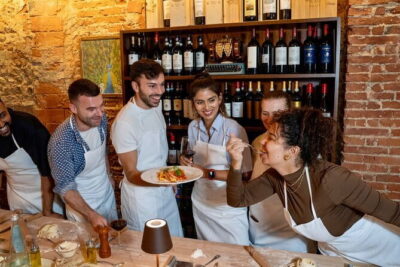
Pasta & Tiramisu Cooking Class with Unlimited Wine
Read our review →
Pasta & Tiramisu Class with Fine Wine by the Vatican
Read our review →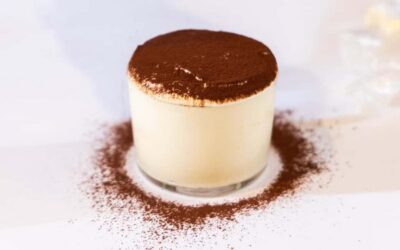
3-in-1 Fettuccine, Ravioli, and Tiramisu Cooking Class
Read our review →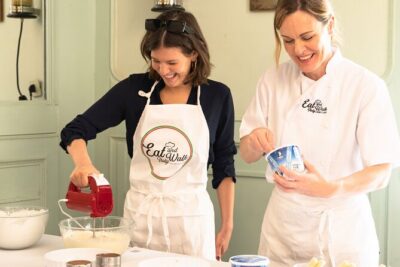
Learn to Make Pasta & Tiramisu with Wine and Limoncello Included
Read our review →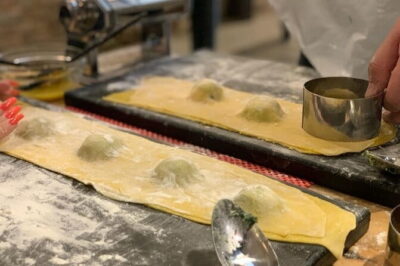
Cooking Class Pasta & Tiramisu Making Unlimited Wine
Read our review →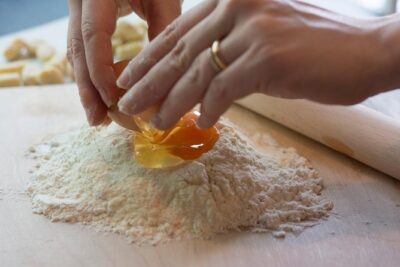
Become a Masterchef in Rome: Pasta, Ravioli and Tiramisù Class
Read our review →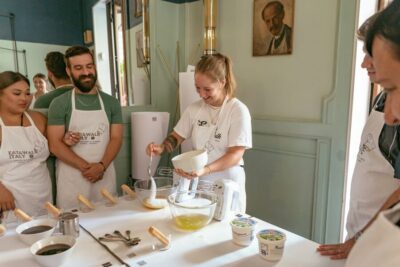
Fettuccine & Tiramisù: Cooking Class with Wine & Limoncello
Read our review →Browse the lists this tour appears in