
Review · BOLOGNA
Bologna: Pasta & Tiramisu Cooking Class at a Local’s Home
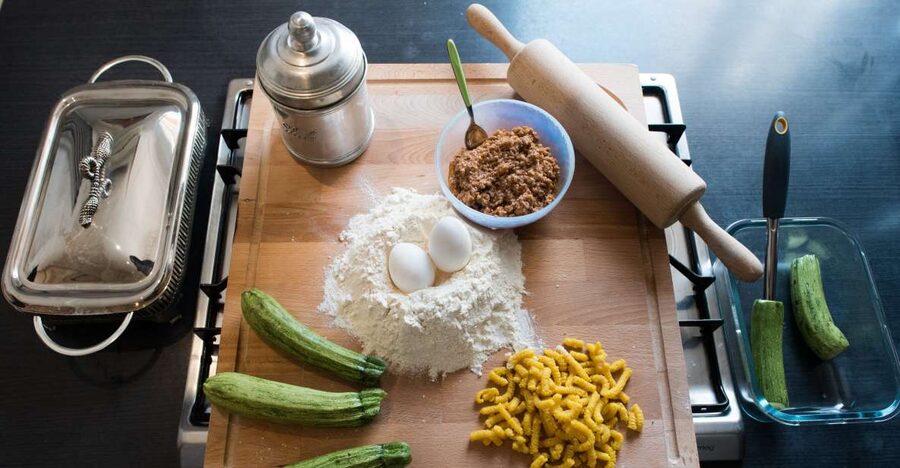
Fresh pasta tastes better when you make it. This three-hour Bologna cooking class brings you into a local home to roll sfoglia by hand, prepare two pasta dishes, and finish with tiramisu. I like the hands-on format and the chance to learn family-style recipes from hosts such as Roberta, Oriana, Paola, and Silvia.
I also like the relaxed welcome: prosecco, nibbles, wine, coffee, and plenty of time to talk. The main consideration is the unknown address. You receive the host’s full details only after booking, and homes may be outside central Bologna, so plan your transport carefully.
Key points to know before booking
- Three classic recipes in one sitting: Make two pasta types from scratch, then prepare tiramisu.
- Sfoglia by hand: Learn the old-school technique of rolling fresh pasta dough with a rolling pin.
- A real local home: The class takes place in a host’s kitchen, not a purpose-built cooking school.
- Aperitivo first: Prosecco and small bites give the class an easy, social start.
- Strong host feedback: Hosts including Oriana, Roberta, Marco, Silvia, Paola, and Martina are praised for patience, warmth, and useful local advice.
- Good value for a full meal: At $112.15 per person, the price covers instruction, drinks, food, and the recipes you eat during the class.
Why pasta makes sense in Bologna
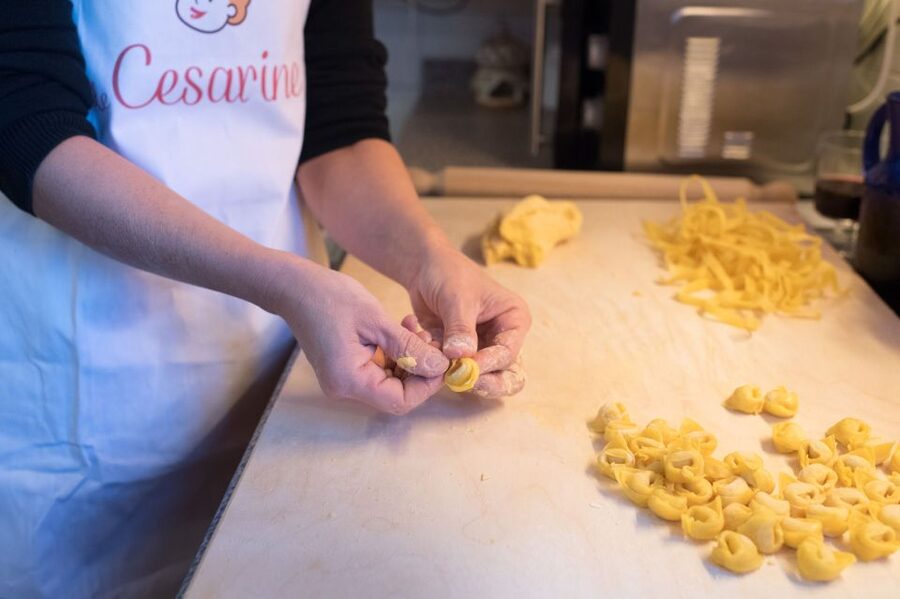
Bologna is one of Italy’s best cities for a cooking class because food is not a side attraction here. Fresh egg pasta is part of everyday cooking in Emilia-Romagna, and the local tradition is built around dough, fillings, sauces, and time at the table.
This class focuses on the practical heart of that tradition. You do not simply watch someone shape pasta while standing behind a counter. You learn how to make sfoglia by hand, then turn it into two different pasta styles. Depending on your host, these may include tagliatelle, tortelloni, ravioli, or another local preparation.
That variation is worth understanding before you book. Cesarine matches you with a home cook, so the exact menu and teaching style can differ. One class may focus on tagliatelle and tortellini, while another may include ravioli, carbonara, or ragù. You get a more personal experience, but not the fixed menu of a formal school.
I see that as a fair trade. A rigid program is predictable, but a home cook can share the method passed down through a family kitchen. One host, Oriana, taught tagliatelle, ravioli, carbonara sauce, ragù, and tiramisu, explaining that her ragù needed six hours and had been prepared in advance. That kind of detail shows how local cooking works beyond the quick restaurant version.
More Tiramisu Classes in Bologna
- Bologna: Pasta and Tiramisu Small Group Cooking Class with Wine
★ 5.0 · 409 reviews - Bologna: 3 Pastas, Tiramisu and Unlimited Wine Tasting
★ 4.6 · 186 reviews - Cesarine: Small group Pasta and Tiramisu class in Bologna
★ 5.0 · 172 reviews
Arriving at a private Bologna home
The class begins at the home of your assigned Cesarina. For privacy, the full address is sent only after you book and provide the information needed to match you with a host. You may be asked about allergies, food intolerance, your Bologna neighborhood, and how you plan to reach the home.
This matters more than it might sound. You are not meeting at a standard city-center shop with a large sign and a front desk. You are entering someone’s personal kitchen. Once the host details arrive, check the route and allow enough time, especially if your home is outside the center.
Some classes have taken place in attractive homes with terraces, gardens, or balconies. Maurizio hosted one class on a garden terrace, while another group cooked with Oriana on an open-air balcony. Marco and Silvia hosted visitors at their countryside home after Marco collected them from a rendezvous and shared Bologna tips along the way.
Those arrangements are not guaranteed, so you should not book expecting a pickup, a garden, or a countryside setting. The official experience ends back at the meeting point, and transport details depend on the host location. Ask the provider if you need clarification before the cancellation deadline.
The aperitivo sets an easy pace
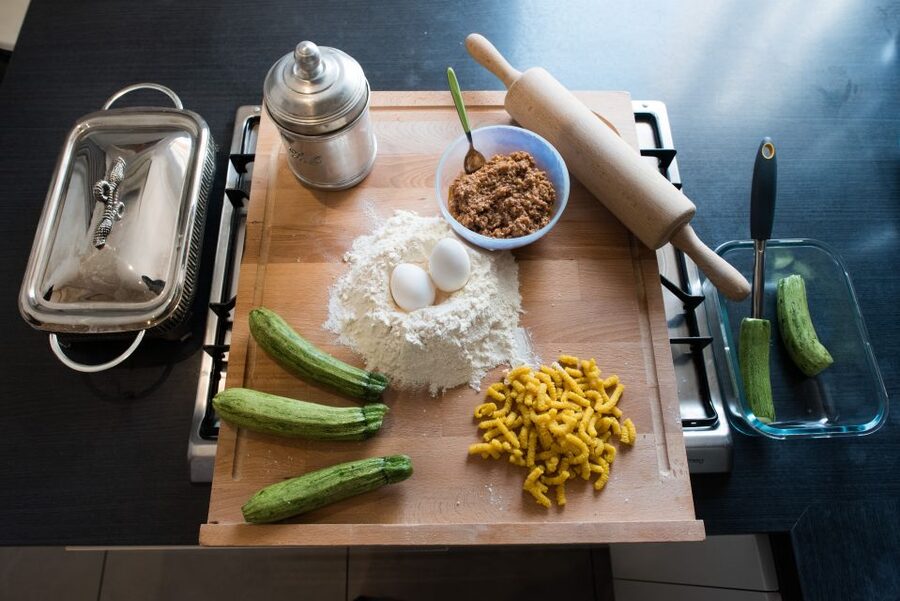
The first part of the class is an Italian aperitivo, with prosecco and nibbles. Water, wine, and coffee are also included, so you are not paying extra for drinks during the meal.
I like this opening because it gives you time to settle in. Cooking with strangers can feel awkward for the first few minutes, particularly when everyone is reaching for flour and trying to follow instructions in a second language. A small drink and a bite to eat make the kitchen feel less formal.
The aperitivo is also part of the local rhythm. In Italy, food is often social before it is instructional. You are not just learning a recipe, you are sharing the table and getting to know the person whose home you have entered.
English and Italian are available. The strongest experiences appear to come from hosts who treat the class as a conversation as well as a lesson. Marco and Silvia, for example, combined cooking instruction with stories about their lives and Italian food culture. That personal exchange is one of the main reasons to choose a home class instead of a standard demonstration.
Rolling sfoglia by hand
The central lesson is fresh pasta dough. You learn to roll sfoglia by hand, an old-fashioned technique that takes more care than opening a packet of dried pasta but gives you a much better sense of how the dough behaves.
Your host shows you how to work the dough, flatten it, and roll it thin enough for the pasta style being prepared. This is where a patient teacher helps. Roberta is praised for giving useful tips and allowing everyone to take part, while Silvia was described as patient and clear when teaching the pasta techniques.
Do not expect to master the motion immediately. Fresh pasta is a tactile skill, and your first sheet may not be perfectly even. That is part of the value. You can see and feel how flour, eggs, pressure, and resting time affect the dough. Those details are difficult to learn from a recipe alone.
The class teaches two iconic pasta types. The exact combination can vary, but examples include tagliatelle, tortelloni, tortellini, and ravioli. You may also learn about sauces such as ragù or carbonara, depending on the host. The result is not merely a plate of pasta, but a small collection of techniques you can repeat at home.
Families should pay attention here. Martina’s class worked well for children, who enjoyed making the food from scratch. The activity requires participation and some patience, but it is more engaging for children than a long sightseeing talk.
Same kitchen, a different thing to make:
- Bologna Food & Market Tour with 6 Tastings, Pasta, Wines & More
★ 5.0 · 1,328 reviews - Bologna: Pasta Cooking Class, Ragu, Spritz, Wine & Gelato
★ 4.9 · 775 reviews - Bologna Local Pasta Cooking Class, Ragu, Spritz, Wine & Gelato
★ 5.0 · 527 reviews - Pastamama, Home Cooking Classes at Grace’s Home
★ 5.0 · 521 reviews
Shaping two kinds of pasta
Making two pasta types gives the lesson a useful contrast. Long pasta such as tagliatelle teaches you about cutting and handling sheets of dough. Filled pasta such as ravioli or tortelloni adds another skill: placing the filling, sealing the edges, and shaping each piece without trapping too much air.
Different hosts bring different family methods to this stage. Annamaria and Francesco taught tortelloni and tagliatelle with ragù, while another class covered tagliatelle, tortellini, and tiramisu. These are not identical menus, but they all center on fresh pasta and regional cooking.
You should expect to help rather than simply watch. The small-group format allows participants to take turns, and the teaching tends to be informal. If you want to practice a particular shape, tell your host early. The available menu may not allow every request, but the hosts are described as accommodating.
The finished pasta is cooked and served during the same visit. This is an important part of the lesson because you see how delicate fresh pasta needs to be handled in the pot and combined with its sauce. You then taste the result at the table, with wine or another included drink.
One useful detail: some sauces need far longer than a three-hour class. A slow ragù may be prepared ahead of time, then explained during the lesson. That is not a shortcut or a flaw. It reflects the way home cooks handle dishes that need hours of simmering while still making a practical meal for company.
Tiramisu is the sweet finish
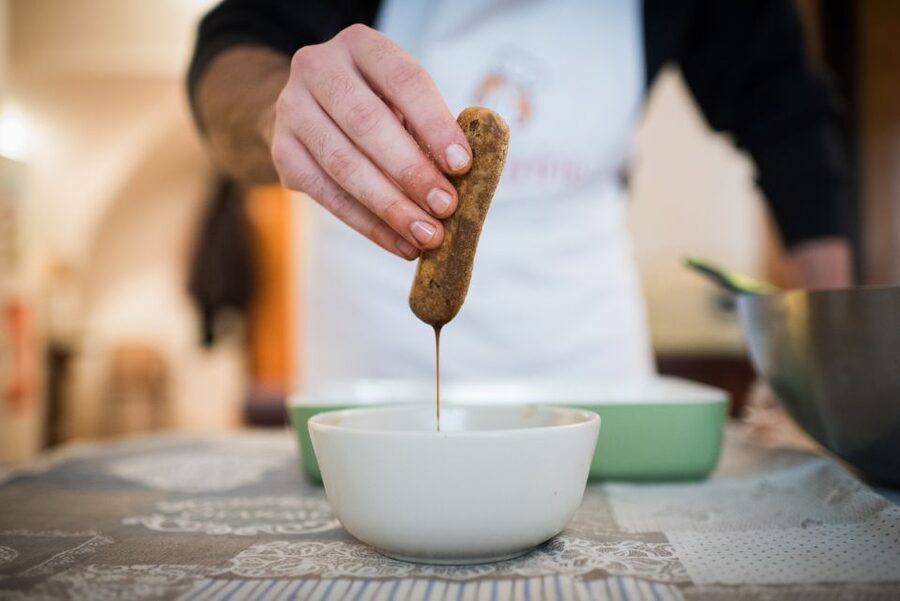
The final recipe is tiramisu, a familiar dessert that is simple enough to repeat at home. You learn how the host builds it, then eat the finished dessert after the pasta course.
This makes the class feel like a complete Italian meal rather than a single demonstration. You begin with aperitivo, work through fresh dough and pasta, sit down to eat, and finish with coffee and tiramisu.
Several hosts are praised for making the dessert especially approachable. The method was described as easy to repeat at home, and recipes were offered or promised for later use in some classes. You should confirm recipe arrangements with your host, since the information does not appear to be identical for every session.
The tiramisu lesson is also useful for people who have already taken a pasta class elsewhere. Oriana’s students had attended a cooking class in Rome before, yet still learned new methods from her. That suggests the value is not limited to beginners. You may pick up small corrections, family tricks, or a different way to organize the work.
A meal with real conversation
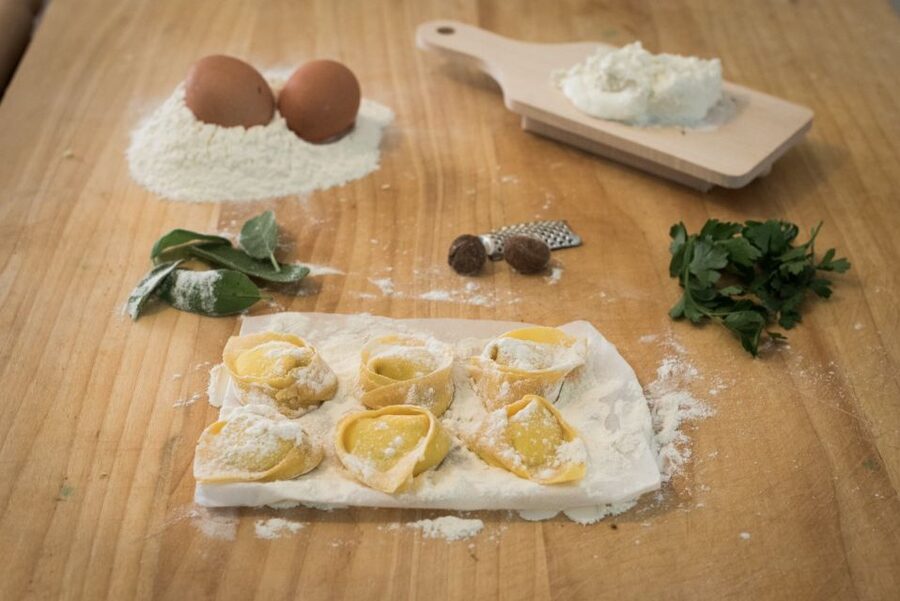
The food is only half the reason to book. The other half is the setting around the table.
At a standard cooking school, the teacher may explain a technique and move on to the next group. In a private home, you can ask about local habits, family recipes, and where to eat in Bologna. Roberta gave local restaurant and sightseeing suggestions, and Marco shared ideas about what to see in the city during the drive to his home.
The class also suits solo visitors. You may arrive without knowing anyone, then work alongside a small group while sharing food and conversation. One participant described enjoying the class with people they had not met before, helped by the host’s welcoming approach.
Still, the social side depends on the people in your session. If you want a quiet, highly structured lesson, this may feel loose. If you enjoy conversation and do not mind a little variation, the home setting is the main attraction.
Is $112.15 a fair price?
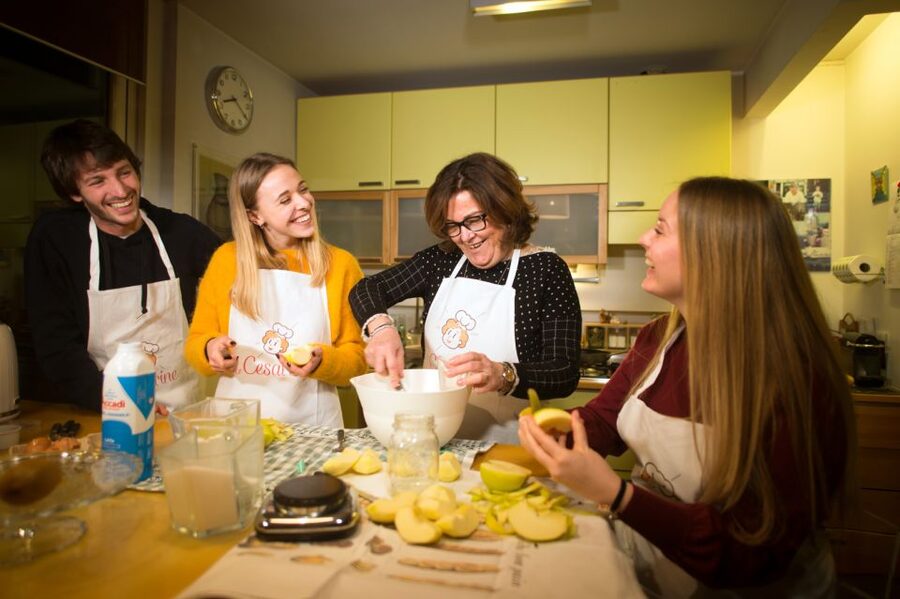
At $112.15 per person, this is not the cheapest meal in Bologna. You can find excellent pasta for much less at a trattoria. The price makes sense if you value the instruction, the private setting, the drinks, and the chance to repeat the recipes after returning home.
Your fee includes the three-hour class, prosecco and nibbles, water, wine, coffee, local taxes, the pasta and tiramisu preparation, and the meal you make. It also includes access to a local host rather than only a professional kitchen instructor.
I consider that solid value for someone who wants an activity as well as dinner. You are paying for time, participation, and personal contact. The value is weaker if you only want to eat or if you dislike hands-on cooking.
The high overall rating of 4.9 from 67 reviews fits the strengths of the format: welcoming hosts, tasty food, patient teaching, and a comfortable home setting. The one practical complaint to keep in mind is recipe delivery. One person was still waiting for recipes about a month later, so ask when and how you will receive them.
Who should book this cooking class?
I would choose this experience for couples, families, solo visitors, and small groups of friends who want a more personal side of Bologna. It is especially good for anyone who plans to cook Italian food at home after the trip.
It also works well for repeat Italy visitors. You may already know how to eat pasta, but learning to roll sfoglia and shape filled pasta gives you a different connection to the food. The class has enough flexibility to teach beginners while still offering new details to people who have cooked before.
You should think twice if you need wheelchair access, since the activity is not suitable for wheelchair users. You should also provide all allergy and food-intolerance information at booking, and confirm the host’s location before your plans become fixed.
The experience is available in Italian and English. It lasts three hours, though the pace may feel longer or shorter depending on the conversation, the number of dishes, and the host’s home.
Should you book it?
Book it if you want to learn a skill, eat a full Italian meal, and meet a local in their own space. The best part is not just the finished pasta. It is the chance to see how Bologna’s food traditions work in an ordinary kitchen, with recipes connected to family practice.
The main tradeoffs are the private address, possible transport beyond central Bologna, and variation between hosts. If you can accept those details, this is a warm and useful way to spend an afternoon or evening. I would book it early, share your dietary needs clearly, and treat the assigned host as part of the adventure.
FAQ
How long does the Bologna pasta and tiramisu class last?
The experience lasts three hours. Starting times depend on availability when you book.
What food will I learn to make?
You learn to roll fresh sfoglia by hand, prepare two pasta types, and make tiramisu. The exact pasta shapes and sauces may vary by host.
Are drinks included?
Yes. The experience includes prosecco and nibbles for the aperitivo, plus water, wine, and coffee.
Where does the cooking class take place?
The class takes place in a local host’s private home. For privacy, the full address and host contact details are provided after booking.
Is the class available in English?
Yes. The experience is offered in English and Italian.
Can I cancel the booking?
You can cancel up to 24 hours in advance for a full refund. You can also reserve now and pay later, subject to the booking terms.
Just added around Bologna
- Colorful Pasta Workshop in Bologna with meal★ 5.0 · 2 reviews
- 3 hour Lasagna Bolognese cooking class★ 5.0 · 6 reviews
- Cesarine: Small group Tortellini Class at Local’s Home in Bologna★ 5.0 · 18 reviews
- Pasta Making Class: Tagliatelle & Bolognese Sauce★ 5.0 · 15 reviews
- Tortelloni and Tagliatelle Cooking Class in Bologna + Wine★ 3.0 · 2 reviews
- Cesarine: Pasta & Tiramisu Class at a Local’s Home in Bologna★ 5.0 · 29 reviews
- Lasagna Masterclass: Learn, Cook & Taste Authentic Bolognese★ 5.0 · 4 reviews
- Pasta Class in Bologna in a 15th-Century Estate Home with Chiara★ 5.0 · 25 reviews
Tiramisu Classes, compared.
3 in 1 Cooking Class near Navona: Fettuccine, Ravioli & Tiramisu
Read our review →
Pasta & Tiramisu Cooking Class with Unlimited Wine
Read our review →
Pasta & Tiramisu Class with Fine Wine by the Vatican
Read our review →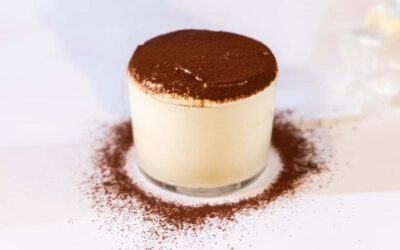
3-in-1 Fettuccine, Ravioli, and Tiramisu Cooking Class
Read our review →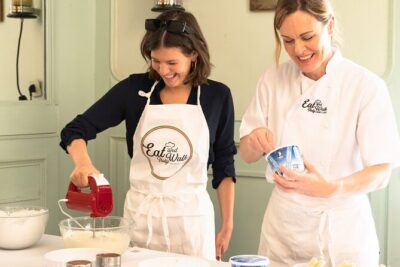
Learn to Make Pasta & Tiramisu with Wine and Limoncello Included
Read our review →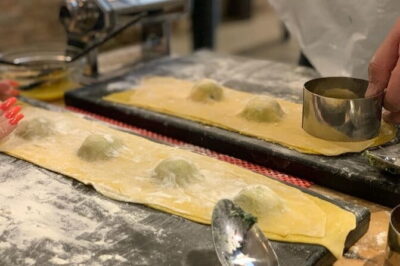
Cooking Class Pasta & Tiramisu Making Unlimited Wine
Read our review →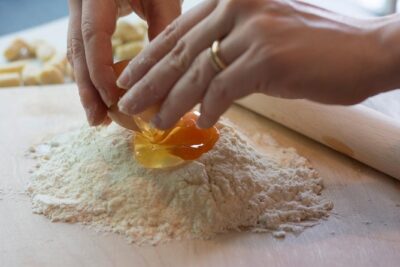
Become a Masterchef in Rome: Pasta, Ravioli and Tiramisù Class
Read our review →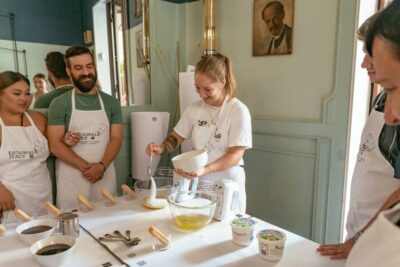
Fettuccine & Tiramisù: Cooking Class with Wine & Limoncello
Read our review →Browse the lists this tour appears in