
Review · BOLOGNA
Bologna: Tagliatelle Pasta and Bolognese Sauce Class
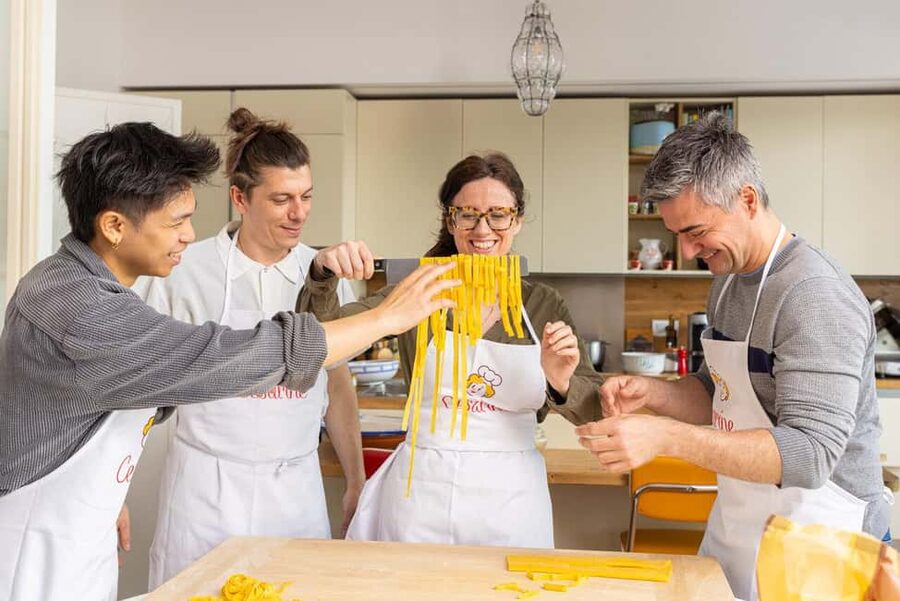
Bologna tastes better when you make it. This two-hour class takes you into the city’s food culture through fresh tagliatelle made by hand and a traditional ragù alla Bolognese prepared with a local home cook. I like that you do the work yourself rather than simply watch a chef, and I like the warm, personal setting offered through Cesarine, Italy’s network of home cooks.
You also get to sit down with your finished pasta, a regional wine such as Sangiovese or Pignoletto, and a small aperitivo. The main point to consider is time: two hours can feel short when you are learning pasta technique, preparing sauce, and eating a full dish, so this suits you best if you want a focused introduction rather than a long cooking day.
Key points to know before booking
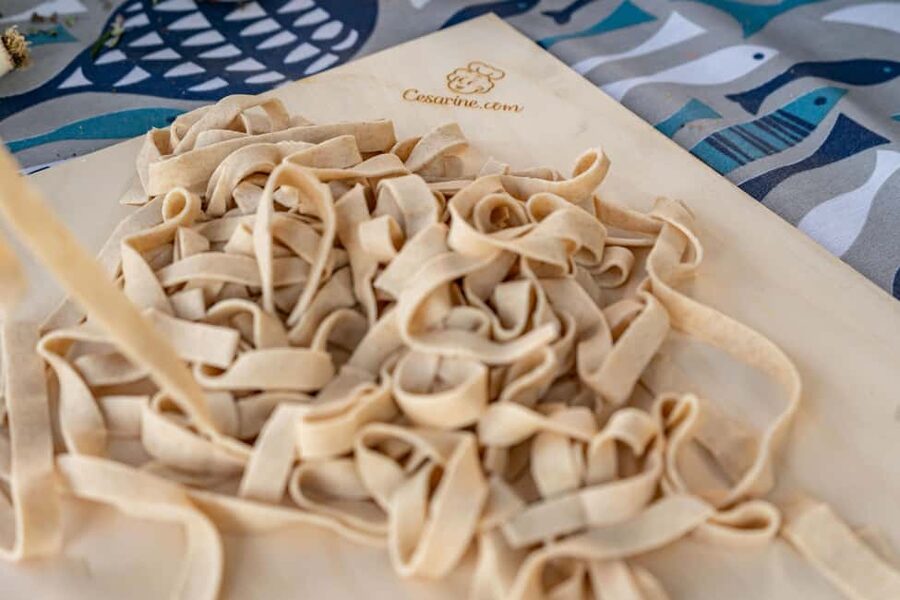
- You make tagliatelle from scratch, learning how the dough reaches the right texture before it is cut into ribbons.
- The ragù follows a traditional Bolognese recipe, with time for the sauce to simmer while you enjoy an aperitivo.
- Your host is a local home cook, so the class offers a more personal setting than a standard restaurant demonstration.
- You eat what you prepare, with homemade tagliatelle al ragù and a glass of regional wine included.
- The group is limited to 10 people, which should allow for hands-on participation and questions.
- English and Italian instruction are available, with hosts such as Laura, Maurizio, and Veronica named in the feedback for their friendly teaching.
Why Bologna is the right place for this pasta class
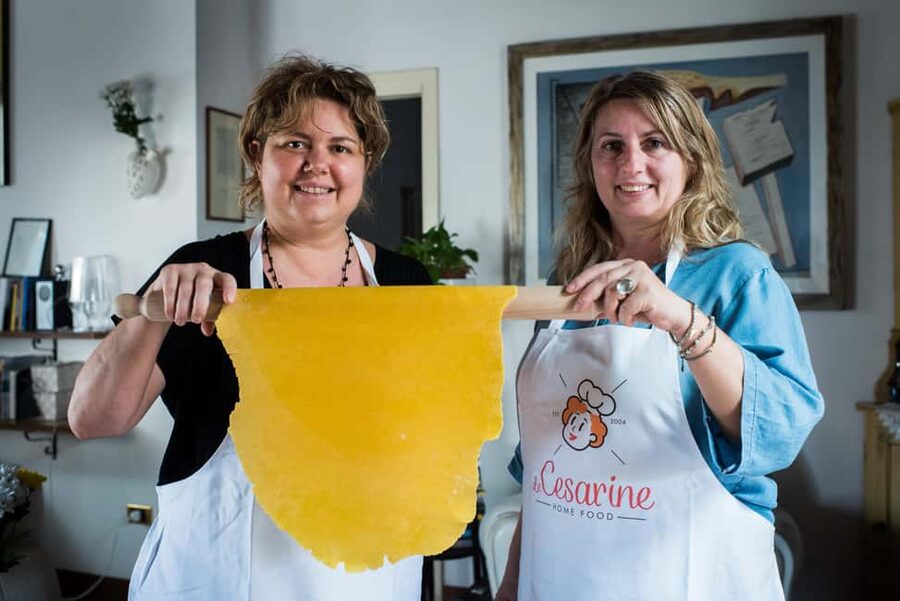
Bologna is closely tied to tagliatelle and ragù alla Bolognese. The dish is simple on the plate, but the details matter: the pasta needs the right thickness, the cut needs to be even, and the sauce needs enough time to develop its flavor.
That makes this class useful for you even if you already cook at home. You are not just collecting another pasta recipe. You are learning why this combination matters in Bologna and how fresh pasta changes the final dish.
I also like the difference between tagliatelle al ragù and the familiar image of spaghetti Bolognese. The local version uses broad, fresh ribbons made to hold the sauce. The class gives you a chance to understand that distinction with your hands and taste buds, not just from a guidebook.
The setting matters, too. A local home cook can explain food customs in a natural way, and the conversation may move beyond ingredients to family habits, regional products, and everyday life. One participant described exchanging cultural ideas with the host while preparing and eating the meal. That social element is a major reason to choose this experience over a quick restaurant lunch.
More Ravioli and Gnocchi Classes in Bologna
- Bologna: Pasta Tagliatelle al Ragu Cooking Class with Wine
★ 4.7 · 225 reviews - Authentic Bologna Home Cooking Class: Tagliatelle & Tortellini
★ 4.5 · 136 reviews - Bologna: Traditional Bolognese Pasta Making with Meal
★ 4.8 · 97 reviews
Starting with fresh tagliatelle dough
The class begins with the pasta itself. You work with the ingredients and learn how to create dough with a suitable texture before rolling and cutting it into tagliatelle.
This is the part where the class earns its keep. Fresh pasta is not difficult in principle, but it rewards touch and attention. A written recipe can tell you what to add, yet it cannot easily explain what the dough should feel like when it is ready. Having a local instructor nearby lets you ask questions at the exact moment something seems too dry, too sticky, or too thick.
The hands-on format is important. You are not sitting at a table while someone else handles every step. Veronica was praised for making the whole process practical, with participants involved from beginning to end. That is the kind of instruction I prefer because you leave with a method you can try again.
Tagliatelle also gives you a clear connection to Bologna. The pasta is wide enough to carry ragù, but still delicate when made well. Cutting the ribbons yourself makes the finished meal feel earned, even if your strands are not perfectly uniform. Homemade pasta has character. A few uneven edges are part of the fun, not a reason to worry.
Preparing the slow-cooked Bolognese ragù
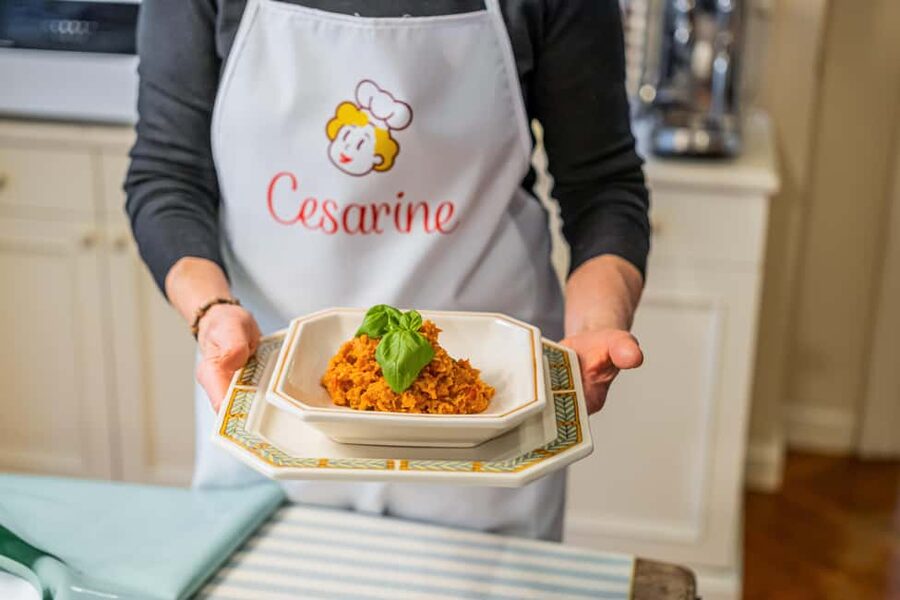
Once the pasta work is underway, you prepare the ragù alla Bolognese. The sauce is described as traditional, flavorful, and slow-cooked, and the class gives it time to simmer while the rest of the experience continues.
I appreciate this pacing. You are not rushed straight from mixing dough to eating. The simmering stage creates room for an aperitivo and conversation, while the sauce develops the fuller flavor that makes ragù different from a quick tomato topping.
The exact recipe may vary slightly with the host, since Cesarine connects you with individual home cooks rather than one central teaching kitchen. That is a benefit if you enjoy personal instruction, though it also means your experience may not be identical to someone else’s. The core focus remains the same: fresh tagliatelle, traditional ragù, local food culture, and a shared meal.
Do not expect a complicated restaurant-style tasting menu. This is one classic dish, made carefully and eaten at the end. If you prefer to spend an afternoon sampling several courses or learning multiple pasta shapes, this class may feel limited. If you want to understand one famous Bologna dish properly, the narrow focus works well.
Aperitivo, conversation, and the home-cook setting
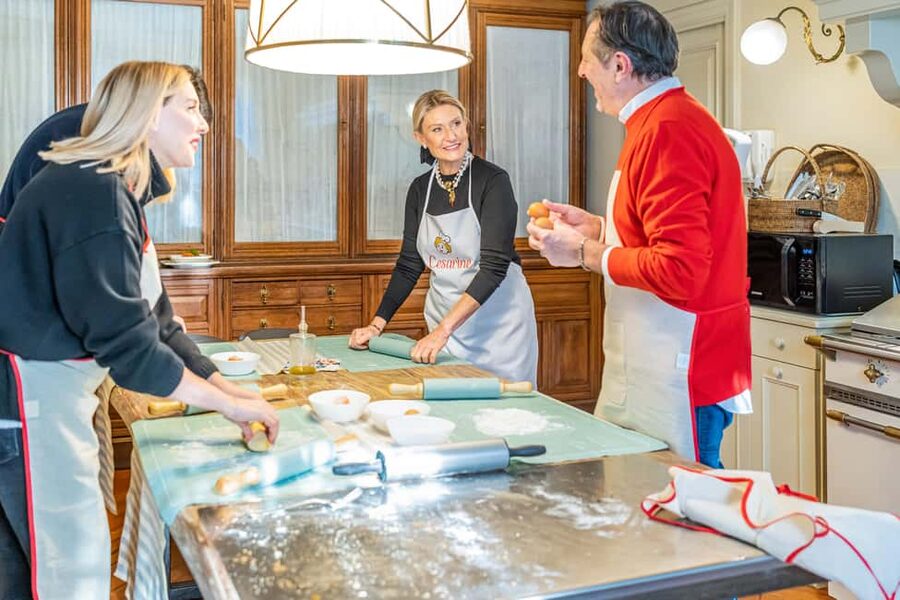
While the ragù simmers, you enjoy a small regional aperitivo. This pause gives the class a relaxed rhythm and helps turn the lesson into a social meal rather than a technical workshop.
The home-cook format is the clearest difference between this experience and a commercial cooking studio. You are meeting a person who represents local food traditions in an everyday setting. The host can answer questions, discuss customs, and share practical details that may not appear in a standard recipe.
Several instructors received strong praise for their welcome and teaching. Laura was described as warm and generous with answers, while Maurizio was praised for creating a friendly evening and keeping the class running smoothly. Veronica received special credit for making the process fully hands-on. Because the host can vary, you should think of these names as examples of the personal style associated with the experience, not a guarantee that one specific person will teach your class.
The language options are English and Italian. That makes the class accessible to English-speaking visitors, while Italian instruction may add a nice local touch if you understand some of the language.
Same kitchen, a different thing to make:
- Bologna Food & Market Tour with 6 Tastings, Pasta, Wines & More
★ 5.0 · 1,328 reviews - Bologna: Pasta Cooking Class, Ragu, Spritz, Wine & Gelato
★ 4.9 · 775 reviews - Bologna Local Pasta Cooking Class, Ragu, Spritz, Wine & Gelato
★ 5.0 · 527 reviews - Pastamama, Home Cooking Classes at Grace’s Home
★ 5.0 · 521 reviews
Eating your tagliatelle al ragù
The best part arrives when you sit down to eat the pasta you made. The dish is served with a glass of regional wine, such as Sangiovese or Pignoletto.
This is a sensible pairing. Sangiovese is a familiar red from the region, while Pignoletto offers a local white option. The included wine adds value without turning the class into a formal wine tasting. You are there to enjoy the food, not memorize tasting notes.
I find the meal more satisfying because it follows the work. You have felt the dough, cut the pasta, watched the ragù simmer, and then tasted the result. Even small mistakes become part of the story. If the pasta is slightly uneven, you will still understand the technique better than you would from watching a polished demonstration.
One participant also praised dessert and coffee at the end of the evening. Those extras are not listed as standard inclusions, so I would not book this expecting them. Still, they suggest that some hosts may extend the meal in a generous, personal way.
What the $100 price includes
At $100 per person, this is not the cheapest way to eat pasta in Bologna. It is also more than the cost of buying a plate of tagliatelle at a casual restaurant.
The value comes from combining several parts in one two-hour experience:
- Hands-on pasta instruction
- Preparation of ragù alla Bolognese
- A regional aperitivo
- Your finished tagliatelle al ragù
- A glass of regional wine
- Food and culture conversation with a local host
If you only want lunch, spend less at a restaurant. If you want to learn a skill, ask questions, and enjoy a meal in a home-cook setting, the price is easier to justify.
The group limit of 10 also matters. A very large class can turn a hands-on lesson into a demonstration viewed from the back of the room. A maximum of 10 gives you a better chance to handle the dough and speak directly with the instructor, although the exact amount of individual attention may depend on the group and host.
The perfect rating from six bookings is encouraging, and the praise centers on the things that matter most here: warm hosting, clear instruction, tasty food, and full participation. That is a small number of ratings, so I would treat it as a positive sign rather than proof that every class will be identical.
How the two-hour schedule affects your visit
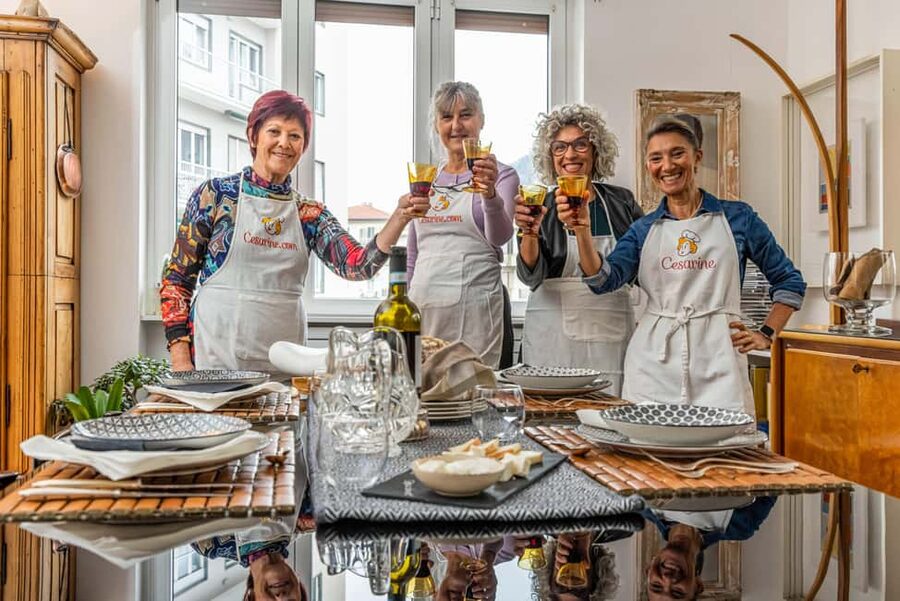
Two hours is a compact format. It works well if you have limited time in Bologna or want to fit a cooking experience between other plans.
You should expect the class to move at a steady pace. The schedule needs to cover pasta dough, shaping and cutting, ragù preparation, simmering time, aperitivo, and the final meal. If you want long pauses for detailed culinary theory, you may find the format brisk.
The shorter duration is also helpful after a busy day of sightseeing. You get a complete activity without giving up an entire afternoon or evening. Since you eat the pasta at the end, the class can also serve as a meal plan.
I would avoid scheduling something that requires you to leave at the exact finish time. The food and conversation are part of the appeal, and a home-cook experience may feel less mechanical than a timed restaurant seating. The activity is listed as two hours, so use that as your planning guide, but leave a little breathing room around it.
Who will enjoy this class most
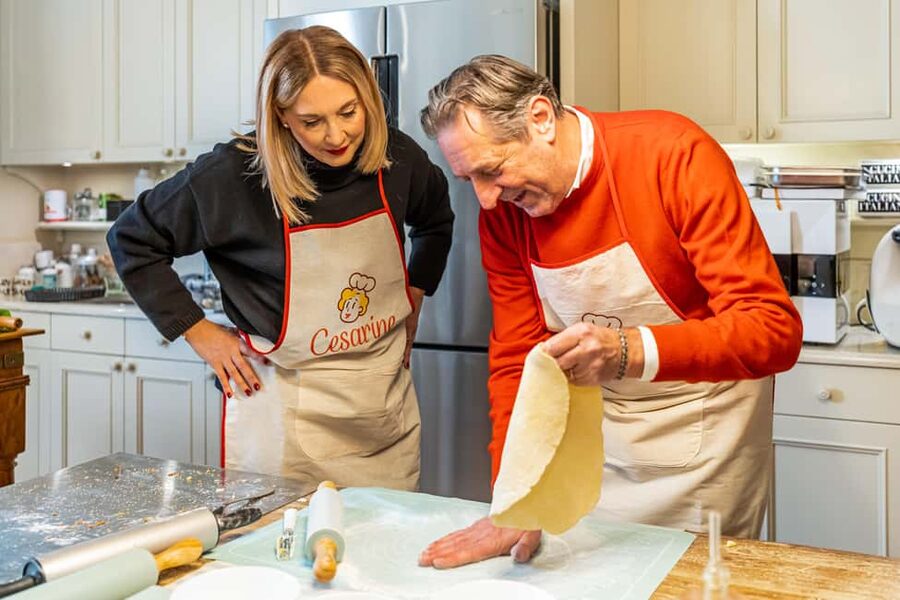
I would recommend this for you if you enjoy food, want direct contact with local culture, or like learning by doing. It should suit couples, solo visitors, friends, and families who can take part in a small-group class.
It is especially good for:
- First-time visitors who want a classic Bologna food experience
- Home cooks interested in fresh pasta technique
- People who prefer a personal host to a formal cooking school
- Anyone looking for a meal and activity in one booking
- Visitors who enjoy conversation and cultural exchange
- Travelers with only two hours available for a food-focused activity
It may not suit you if you dislike group activities, want a long multi-course meal, or prefer to eat without participating in preparation. The experience is centered on making the food, so watching quietly is not the main idea.
Booking flexibility and practical details
The class costs $100 per person and allows you to reserve now and pay later, which is useful if your Bologna schedule is still changing. You can cancel up to 24 hours in advance for a full refund.
Instruction is available in English and Italian. The group size is limited to 10 participants, and the experience is hosted by Cesarine, a network of local home cooks.
Starting times can vary, so check availability for the date you want. The supplied details do not specify a fixed meeting point, menu variations, dietary arrangements, or accessibility information. If any of those points affect your plans, confirm them before booking rather than assuming they are covered.
Should you book Bologna’s tagliatelle class?
I would book it if you want one focused, social food experience in Bologna. The strongest reasons are the hands-on pasta making, the chance to cook with a local home host, and the simple pleasure of eating tagliatelle al ragù with regional wine.
The main caution is the two-hour limit. You will learn one dish rather than a full range of Emilia-Romagna cooking, and the personal format means details can vary by host. For most people, that is part of the charm. At $100, the class makes the most sense when you value instruction and conversation as much as the meal itself.
If you want to understand why Bologna takes its pasta seriously, this is a practical and tasty way to do it.
FAQ
Where does the cooking class take place?
The experience takes place in Bologna, in Italy’s Emilia-Romagna region.
How much does the class cost?
The price is $100 per person.
How long does the experience last?
The class lasts two hours.
What will I learn to cook?
You will learn to make fresh tagliatelle and prepare traditional ragù alla Bolognese.
Is the class hands-on?
Yes. You take part in making the pasta and preparing the ragù with a local expert.
Is food included?
Yes. You receive a tasting of your freshly made tagliatelle al ragù and a regional aperitivo.
Is wine included?
Yes. One glass of regional wine is included, such as Sangiovese or Pignoletto.
What languages are available?
The instructors speak English and Italian.
How large is the group?
The class is limited to 10 participants.
Can I cancel the booking?
Yes. You can cancel up to 24 hours in advance for a full refund. You can also reserve now and pay later.
Just added around Bologna
- Colorful Pasta Workshop in Bologna with meal★ 5.0 · 2 reviews
- 3 hour Lasagna Bolognese cooking class★ 5.0 · 6 reviews
- Cesarine: Small group Tortellini Class at Local’s Home in Bologna★ 5.0 · 18 reviews
- Pasta Making Class: Tagliatelle & Bolognese Sauce★ 5.0 · 15 reviews
- Tortelloni and Tagliatelle Cooking Class in Bologna + Wine★ 3.0 · 2 reviews
- Cesarine: Pasta & Tiramisu Class at a Local’s Home in Bologna★ 5.0 · 29 reviews
- Pasta Class in Bologna in a 15th-Century Estate Home with Chiara★ 5.0 · 25 reviews
- Pasta and Tiramisu Masterclass with organic wines★ 3.5 · 3 reviews
Ravioli and Gnocchi Classes, compared.
3 in 1 Cooking Class near Navona: Fettuccine, Ravioli & Tiramisu
Read our review →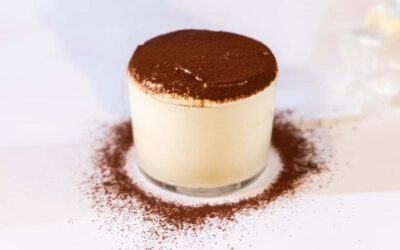
3-in-1 Fettuccine, Ravioli, and Tiramisu Cooking Class
Read our review →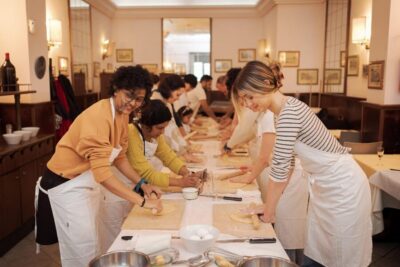
Fettuccine Pasta Cooking Class in Rome’s City Center
Read our review →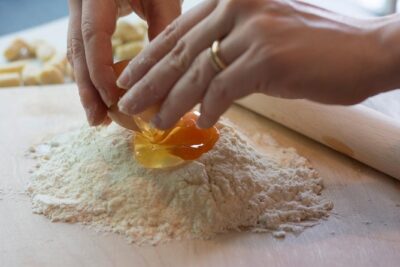
Become a Masterchef in Rome: Pasta, Ravioli and Tiramisù Class
Read our review →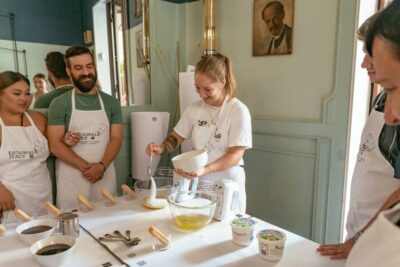
Fettuccine & Tiramisù: Cooking Class with Wine & Limoncello
Read our review →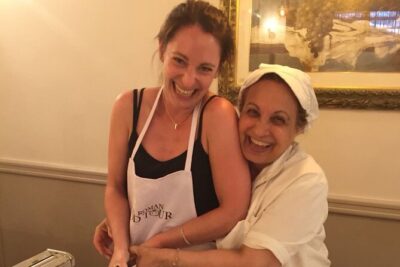
Rome Pasta and Tiramisu Class: Ravioli, Fettuccine & Fine Wine 5*
Read our review →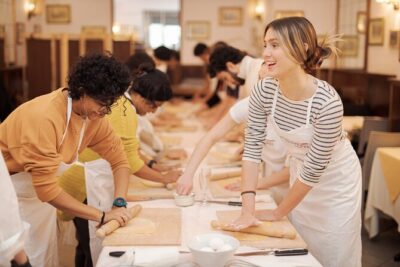
Pasta Cooking Class in Rome – Fettuccine Class in Piazza Navona
Read our review →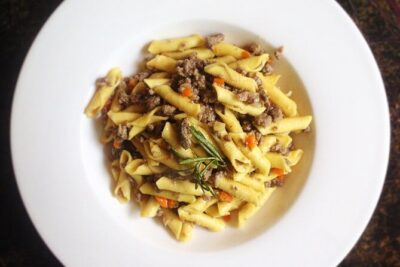
Browse the lists this tour appears in