
Review · LUCCA
Hands On Pasta and Gelato Cooking Class in LUCCA
Fresh pasta is Lucca’s tastiest lesson. This three-hour cooking class gives you a practical way to learn Tuscan food traditions while making two pasta dishes and seasonal gelato in a small group. I especially like the use of 100% local ingredients, including flour from a nearby mill and ricotta from Tuscan farms. I also like that you sit down to eat what you make, rather than simply watching a demonstration. The main consideration is the food allergy rule: this class is not suitable for travelers with food allergies.
The class begins at 10:00 a.m. on Via di Tiglio, outside or near Lucca’s main historic center, and ends at the same meeting point. At $86.61 per person, it is not the cheapest meal in town, but the price covers instruction, ingredients, several dishes, gelato, and a shared meal. With a maximum of 18 people, it should feel more personal than a large demonstration class, though the group may still be lively.
Key points at a glance
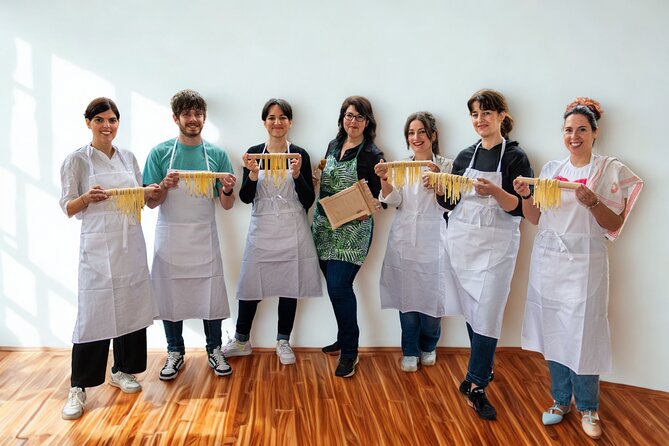
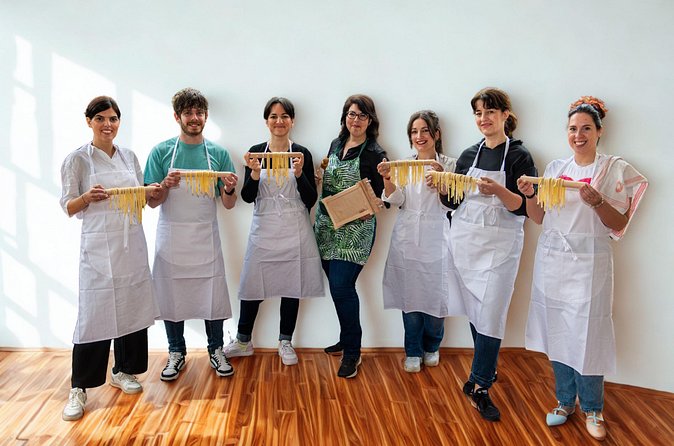
- Three handmade dishes in about three hours: Prepare spaghetti alla chitarra or tagliatelle, ricotta-filled ravioli, and seasonal gelato.
- Local ingredients matter: The flour comes from a nearby mill, while ricotta and fruit come from Tuscan farms.
- Ariela brings the class to life: Her friendly, warm teaching style adds local food knowledge and practical detail.
- The meal is part of the lesson: After cooking, you sit together and eat the pasta, ravioli, and gelato you prepared.
- Good value for a hands-on activity: The $86.61 fee includes food, teaching, and a complete meal rather than only a short cooking demonstration.
- Useful planning details: The class is in English, begins at 10:00 a.m., accepts mobile tickets, and allows free cancellation up to 24 hours before start time.
Starting at 10:00 a.m. on Via di Tiglio
The class meets at Via di Tiglio, 1697, 55100 Lucca LU, Italy. It is near public transportation, which makes the location easier to reach if you are staying elsewhere in Lucca or arriving without a car.
The 10:00 a.m. start is well chosen. You get a full morning of cooking and still have much of the afternoon free for Lucca’s walls, churches, lanes, and squares. Since the activity ends back at the meeting point, you do not need to arrange a separate return transfer.
Bring a mobile ticket and arrive ready to work with your hands. The experience is offered in English, so you can follow the instructions and ask questions without needing to speak Italian.
The class usually attracts bookings well ahead of time, with reservations averaging about 37 days in advance. That is useful advice for anyone visiting Lucca during a busy season. If this is one of the main activities on your list, I would reserve before finalizing the rest of your itinerary.
More Gelato Making Classes in Italy:
- Florence Pizza or Pasta Class with Gelato Making at a Tuscan Farm
★ 5.0 · 6,801 reviews - Florence: Pizza or Pasta Class with Gelato at a Tuscan Farm
★ 4.9 · 1,181 reviews - Florence: Premium Pasta and Gelato Cooking Class
★ 4.9 · 877 reviews
Meeting Ariela and learning the Tuscan approach
Ariela is one of the strongest parts of this experience. Her teaching style is described as friendly, engaging, and approachable, with plenty of attention to local products and the food traditions of the area.
That matters in a cooking class. You do not just want a recipe copied from a card. You want to understand why the dough feels right, how the filling should taste, and what makes a local ingredient worth using. Ariela’s explanations add that useful context without turning the class into a long lecture.
The tone is practical. You learn by making the food yourself, with guidance when you need it. This suits you if you enjoy asking questions, trying a technique, and seeing the results on the plate. It is less suited to anyone looking for a quiet, passive demonstration with little participation.
The maximum group size is 18 people. That is not an intimate private lesson, but it is small enough for a class setting where you can work along with the instructor. The exact amount of individual attention will depend on the final group, yet the size should keep the session manageable.
Making pasta with flour from a nearby mill
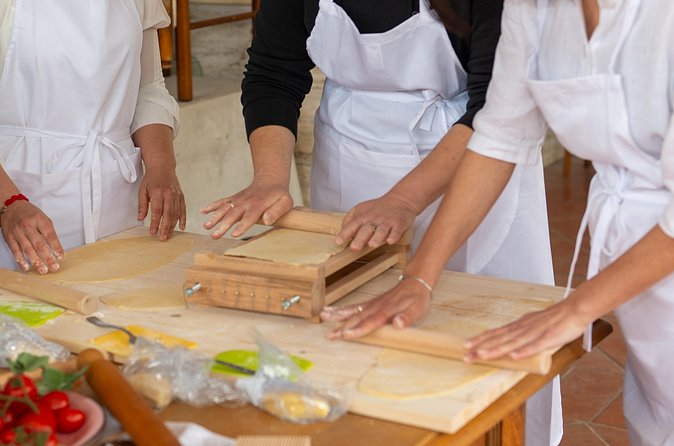
The first major task is fresh pasta. You prepare either spaghetti alla chitarra or tagliatelle, using flour from a nearby mill.
Tagliatelle gives you the familiar long, flat ribbons found across Italy. Spaghetti alla chitarra offers something different. The pasta is formed with a chitarra, a traditional tool with taut cutting wires that shape the dough into square-edged strands. One participant particularly enjoyed using this gadget because it was unfamiliar and made the pasta-making process feel more distinctive.
This is a good detail for you to know before booking. The class is not only about rolling dough and cutting noodles. You also get to see a traditional method that may not appear in an ordinary home kitchen.
The pasta is served with a creamy Pecorino Toscano DOP sauce. Pecorino Toscano is a Tuscan sheep’s milk cheese with protected designation status, meaning the product follows defined regional standards. The sauce keeps the focus on the pasta and cheese rather than burying the noodles under a complicated mixture.
The class uses local flour and other ingredients sourced from nearby farms. That gives the meal a clear sense of place. You are not simply making a generic Italian dish in Tuscany. You are working with products tied to the region.
Shaping ricotta ravioli by hand
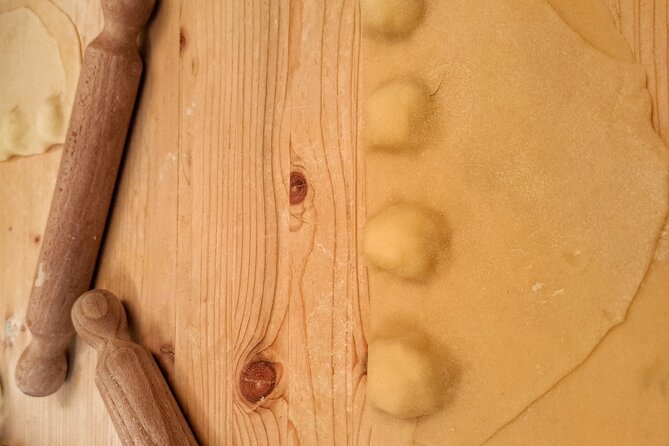
Next comes ricotta-stuffed ravioli. The filling uses fresh Tuscan ricotta from local farms, and the ravioli is served with a fresh herbed tomato sauce.
This part of the class is especially useful for anyone who has bought fresh ravioli but never made it. You learn how to place the filling, seal the pasta, and create portions that can survive cooking without opening. The work rewards care, but it is also forgiving enough to feel fun rather than fussy.
The ricotta is the key ingredient here. Fresh ricotta has a soft texture and mild flavor, so the filling does not need to be overloaded with seasoning. The herbed tomato sauce gives the ravioli contrast and keeps the dish connected to simple Tuscan cooking.
I like that the two pasta courses are different. Long pasta teaches one set of skills, while ravioli teaches another. In one morning, you get practice with noodles, filled pasta, shaping, sealing, and sauces.
You should expect some hands-on mess. That is part of the point. If you want perfectly identical ravioli made by an expert, order lunch at a restaurant. If you want to understand how the food comes together and leave with techniques you can repeat at home, this format is a better choice.
A few more classes around Italy worth a look
- Florence: Pasta Cooking Class with Unlimited Wine
★ 4.9 · 10,285 reviews - 3 in 1 Cooking Class near Navona: Fettuccine, Ravioli & Tiramisu
★ 5.0 · 7,376 reviews - Florence: Pasta & Tiramisu Cooking Class with Unlimited Wine
★ 4.9 · 6,708 reviews - Florence: Pasta Cooking Class with Unlimited Wine
★ 5.0 · 6,413 reviews
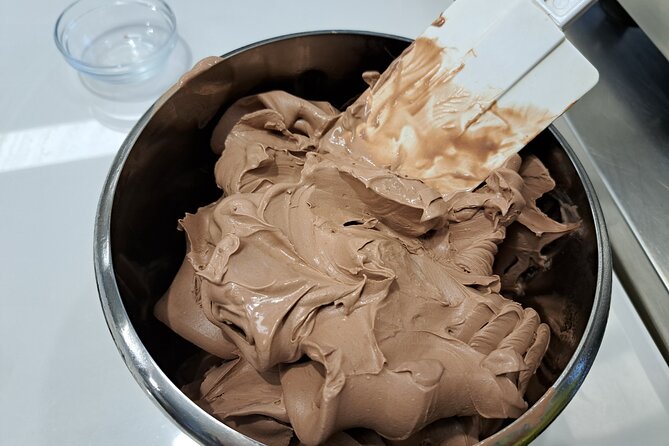
Making creamy seasonal gelato
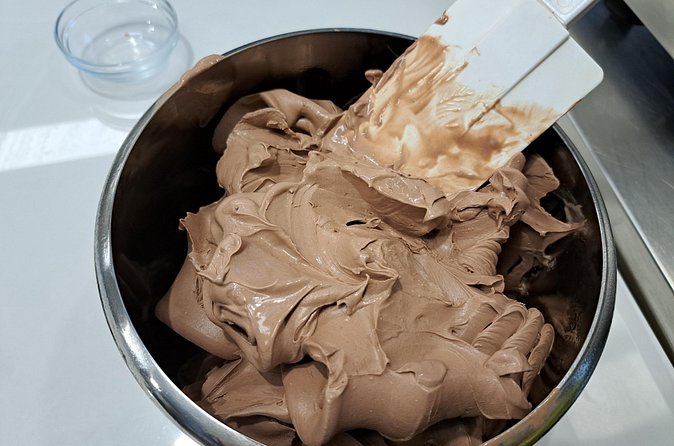
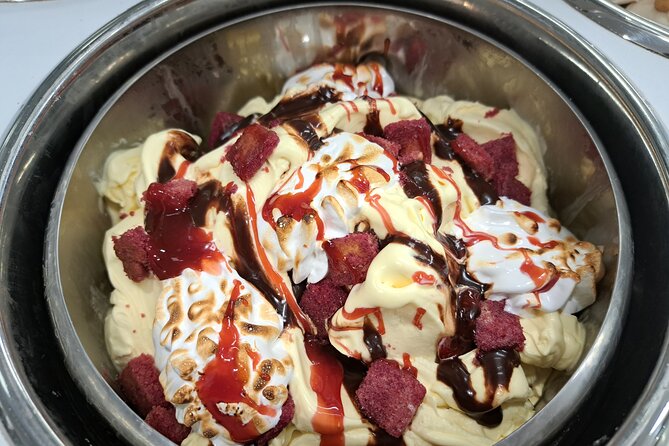
The sweet course is not an afterthought. You also learn how to make Italian gelato using seasonal fruit from Tuscan farms.
The flavors depend on what is in season, so the dessert is not fixed in advance. That gives the class a stronger connection to local produce, though you should not book expecting one exact fruit or flavor.
The appeal of making gelato during a pasta class is the change of pace. Pasta requires dough work and shaping, while gelato focuses on texture, mixing, and balance. The result is a fuller food lesson, with both savory and sweet techniques in the same session.
The gelato has earned some of the warmest praise from the class. It is described as especially creamy, and one participant called it amazing. That makes sense as a practical advantage: gelato prepared during a warm day in Lucca is a welcome reward after working with pasta dough.
The class venue also has air conditioning, which can make a real difference during a summer heat wave. That is a small but valuable comfort. Cooking for three hours in a warm room can become tiring, so a cool setting helps you focus on the food.
Sitting down for a shared Tuscan meal
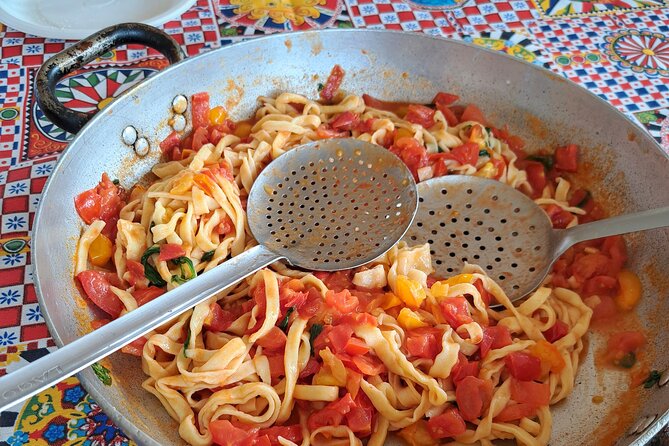
After the cooking, you sit down together and eat the food prepared during the class. The meal includes the long pasta with Pecorino Toscano DOP sauce, ricotta ravioli with herbed tomato sauce, and seasonal gelato.
This shared meal gives the class a satisfying finish. You can taste the results while the techniques are still fresh in your mind. It also turns the activity into more than a lesson, since the food becomes a social part of the morning.
I value this format because the meal is not separate from the experience. You are not handed a pre-made plate after a short cooking session. The dishes connect directly to the work you have done.
The shared setting may not suit someone who wants a private table or a tightly scheduled meal. Still, for most people, eating together is part of the charm. It gives you time to compare results, talk about the ingredients, and enjoy the food at an unhurried pace.
What the $86.61 price really includes
At $86.61 per person, this class sits above the cost of a simple Lucca lunch. The fair comparison is not a restaurant meal alone. You are paying for roughly three hours of instruction, ingredients, kitchen use, three prepared courses, and the meal afterward.
The value is strongest if you want an activity as well as food. A typical lunch may cost less, but it will not teach you how to make chitarra pasta, seal ravioli, or prepare gelato. This class gives you skills you can take home, plus a meal you helped create.
The price also reflects the local ingredient focus. Flour from a nearby mill, farm-sourced ricotta, Pecorino Toscano, and seasonal fruit make the menu more connected to Tuscany than a standard cooking workshop using anonymous supermarket products.
I would call the price reasonable for a hands-on class with a complete meal, especially if cooking is one of your main interests. If you mainly want to eat and have little interest in making pasta, you may find better value in a traditional trattoria.
Who will enjoy this class most
This experience suits you if you like active activities, local food, and informal instruction. It works well for couples, families, friends, and solo visitors who do not mind joining a group.
It is also a good choice if you want to learn skills you can repeat at home. Fresh pasta is one of those Italian foods that seems difficult until someone shows you the basic process. Afterward, you may be more willing to try tagliatelle or ravioli in your own kitchen.
The class is offered in English, so English-speaking visitors can follow the lesson with ease. The instructor’s friendly approach also helps if you are not already comfortable in a kitchen.
You may want to skip it if you dislike touching dough, working in a group, or following a structured cooking session. This is not a food tasting with a little instruction added. You are expected to participate.
Most importantly, the activity is not suitable for travelers with food allergies. The menu includes wheat, dairy, and other ingredients, including flour, Pecorino, ricotta, tomato sauce, and gelato. The supplied information does not promise allergy accommodations, so do not assume substitutions are available.
Practical planning before you book
The class runs for about three hours and starts at 10:00 a.m. It ends at the same meeting point, so plan your afternoon from there. If you have a timed train, museum entry, or another fixed appointment, leave plenty of space after the class rather than scheduling something immediately.
The meeting point is near public transportation, and mobile tickets are accepted. Confirmation arrives at booking, which makes it easier to keep the details on your phone.
Free cancellation is available up to 24 hours before the start time for a full refund. Changes or cancellations made less than 24 hours before the start time are not accepted for a refund. The activity also requires a minimum number of participants, so if that minimum is not reached, you will be offered another date or experience, or a full refund.
Should you book this Lucca cooking class?
I would book this class if you want to do more than take photos of Italian food. The combination of local flour, Tuscan ricotta, Pecorino Toscano, handmade pasta, ravioli, and seasonal gelato gives you a real taste of the region in a useful three-hour format.
The strongest reasons to go are Ariela’s warm teaching style, the chance to use a traditional chitarra tool, and the complete meal at the end. The main reasons to pause are the group setting, the fixed morning schedule, and the lack of suitability for food allergies.
For a first cooking class in Lucca, the program is nicely balanced. You make several dishes, learn techniques that are easy to remember, and finish with a meal you helped prepare. If that sounds better than simply sitting down to lunch, reserve early, especially since bookings are often made more than a month ahead.
FAQ
Where does the cooking class begin?
The class begins at Via di Tiglio, 1697, 55100 Lucca LU, Italy.
What time does the class start?
The class starts at 10:00 a.m.
How long does the experience last?
The activity lasts approximately three hours.
Where does the class end?
The class ends back at the meeting point on Via di Tiglio.
What language is the class offered in?
The class is offered in English.
What pasta will I make?
You will make either spaghetti alla chitarra or tagliatelle, along with ricotta-stuffed ravioli.
What kind of gelato will I make?
You will make Italian gelato with seasonal ingredients, including local seasonal fruit.
Are the ingredients locally sourced?
Yes. The flour comes from a nearby mill, and the ricotta and seasonal fruit come from Tuscan farms.
How many people can join the class?
The class has a maximum of 18 participants.
Can I cancel for a full refund?
Yes. You can cancel at least 24 hours before the experience start time for a full refund. Cancellations made less than 24 hours before the start time are not refunded.
Just added around Italy
- Verona: Tortellini Cooking Class and Lunch with Mamma Ivana★ 5.0 · 20 reviews
- Volterra: Fresh Pasta Cooking Class at a Tuscan Farmhouse★ 5.0 · 33 reviews
- Vicenza: Pasta & Tiramisu Cooking Class at a Local’s Home★ 5.0 · 5 reviews
- Verona: Pasta & Tiramisu Cooking Class at a Local’s Home★ 5.0 · 16 reviews
- Verona: Pasta Cooking Class with Wine Tasting★ 5.0 · 4 reviews
- Venice: Share Your Pasta Love in a Local’s Home★ 4.8 · 20 reviews
- Verona: Prosecco and Pasta Making Class at a Local’s Home★ 5.0 · 10 reviews
- Verona: My Granny’s secrets making gnocchi★ 5.0 · 7 reviews
Gelato Making Classes, compared.
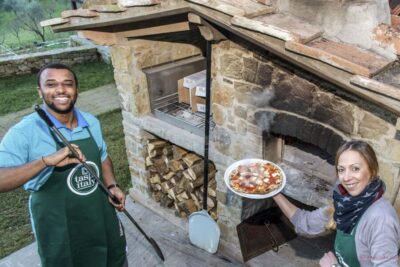
Florence Pizza or Pasta Class with Gelato Making at a Tuscan Farm
Read our review →Pizza or Pasta Class with Gelato at a Tuscan Farm
Read our review →
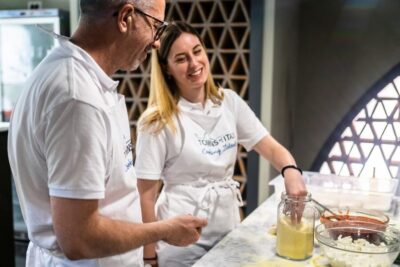
Pizza or Pasta and Gelato-Making Class with Wine
Read our review →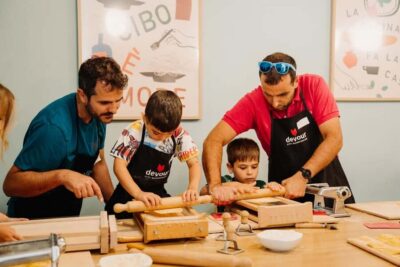
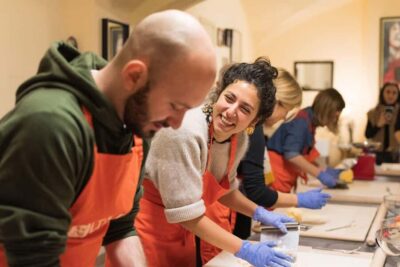
Pasta Cooking Class, Ragu, Spritz, Wine & Gelato
Read our review →
Super Fun Pasta & Gelato Class by Vatican with Wine + Oil Tasting
Read our review →
Bologna Local Pasta Cooking Class, Ragu, Spritz, Wine & Gelato
Read our review →Browse the lists this tour appears in