
Review · MILAN
Italy: Pasta and Tiramisu Cooking Class at Home
Good food is better when you make it.
This three-hour class in Lombardy gives you two useful Italian skills: fresh pasta from scratch and classic tiramisu. I like the small group of no more than four people, since that should give you a better chance to work directly with the instructor rather than watch from the back of a crowded room. I also like the home setting, which promises a more personal look at everyday Italian cooking than a large commercial kitchen.
The main concern is reliability. One verified booking report describes arriving for the class and finding no one available to open the door, with the participant also reporting a problem involving transportation. That is a serious warning, especially for a home-based activity. Confirm the meeting details and availability before you set out, and do not treat the flexible booking terms as a substitute for basic communication.
Key points to know before booking

- Three hours of hands-on cooking: You prepare fresh pasta and tiramisu, then eat what you make.
- A very small group: The class is limited to four participants, allowing for more direct help.
- Home-style setting: The goal is to feel like you are cooking in an Italian family home.
- English instruction: The class is presented in English, useful if you do not speak Italian.
- Suitable for all skill levels: Beginners and experienced cooks can take part.
- Check access details carefully: A verified report describes a serious no-show problem, so confirm the appointment in advance.
What this Lombardy cooking class is really about
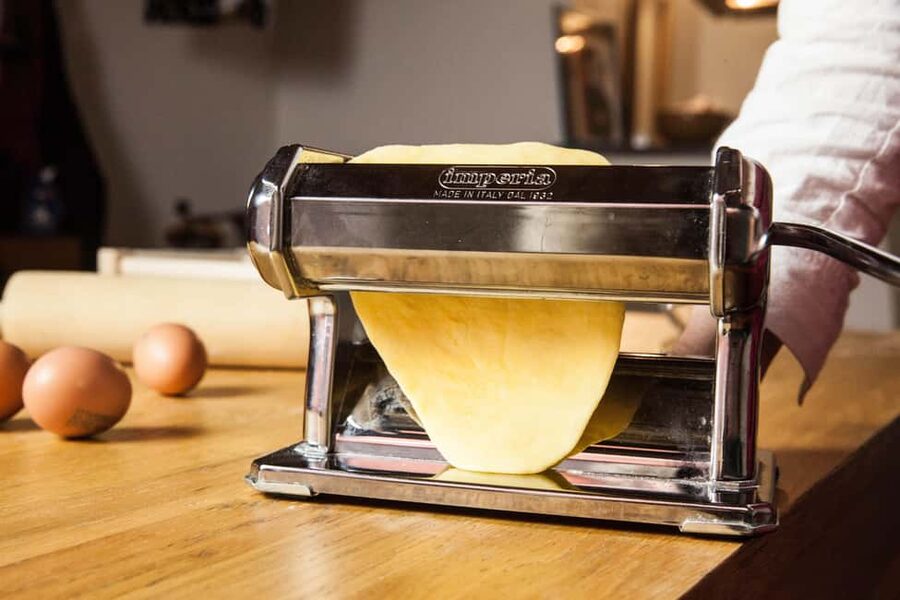
This is a practical food class rather than a sightseeing tour. You are not moving between several attractions or collecting a long list of dishes. Instead, the three hours focus on two Italian staples: handmade pasta and tiramisu.
That narrow focus is a good thing. Pasta is central to Italian home cooking, but the method can look deceptively simple. Flour, eggs, mixing, kneading, rolling, and shaping all affect the final result. A class lets you see how the dough should feel at each stage, which is much more useful than simply reading a recipe.
Tiramisu offers a different lesson. It is a familiar dessert, but the balance of coffee, cream, biscuits, and cocoa matters. The class promises to explain the key steps behind a good version, giving you something you can try again at home.
The stated aim is to use recipes passed through generations. That points toward traditional family cooking rather than restaurant-style showmanship. You should expect an informal setting, direct instruction, and time to sit down and taste the finished food.
More Tiramisu Classes in Milan
- The Secrets to Learn Fresh Pasta and Tiramisù in a Glam Home
★ 5.0 · 1,182 reviews - Milan: Pasta and Tiramisu Cooking Class with Wine
★ 4.8 · 1,106 reviews - Gnocchi, Pasta, Tiramisù and Wine Class
★ 5.0 · 691 reviews
Starting in an Italian home with only four people
The home setting is the heart of this activity. Instead of a large demonstration kitchen, you prepare the dishes in a domestic environment designed to feel like part of an Italian family meal.
That setting can make a big difference. In a small class, you can ask questions as you work, watch the instructor closely, and get help when the dough does not behave as planned. Pasta making often involves small adjustments that are hard to see in a big group. Is the dough too dry? Should you knead longer? Is the sheet thin enough? A limited group gives you more room to ask.
The maximum group size is four participants. I see that as one of the strongest features of the class. The experience should feel more like cooking with a host than attending a public workshop.
Still, you should keep expectations sensible. The information does not provide a full address, a detailed room description, or a step-by-step timetable. The home atmosphere is part of the appeal, but it also means the exact setup may be more personal and less standardized than a purpose-built cooking school.
Making fresh pasta from a traditional recipe
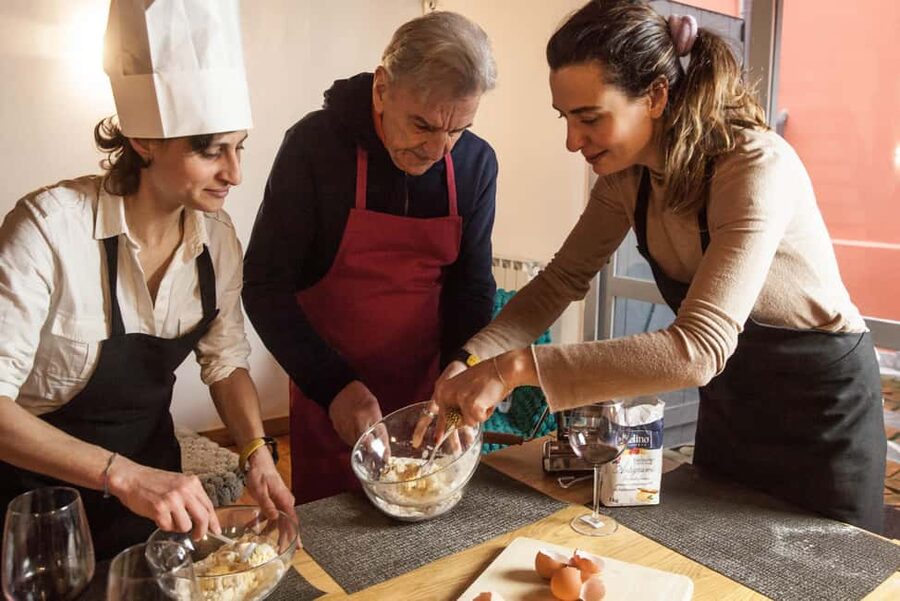
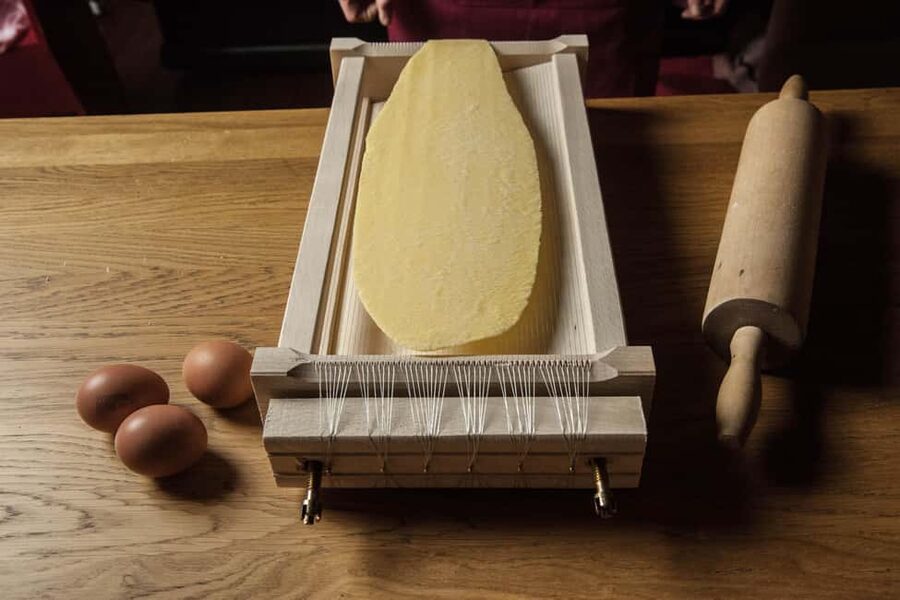
The pasta portion is likely to take up much of the session. You learn to prepare pasta from scratch using a traditional Italian recipe, with the instructor guiding you through the process.
The value here is not only the recipe itself. A printed recipe can tell you quantities, but it cannot easily explain texture. You need to recognize when the dough has come together, when it needs more work, and how thin the finished pasta should be. Those are skills you can use long after your time in Lombardy.
The description does not specify the exact pasta shape or sauce. That is important. You should not book expecting a particular dish such as ravioli, tagliatelle, or gnocchi unless the provider confirms it first. The experience promises fresh pasta, but the precise format is not stated.
For beginners, the class should be approachable. No previous cooking background is required, and the activity is described as suitable for all levels. You can expect instruction rather than a test of your kitchen ability. Experienced home cooks may still enjoy the session, especially if they want to compare their own methods with an Italian family recipe.
The small group also matters during this stage. Pasta dough is hands-on work, and you benefit from having an instructor nearby. If you are cooking with a partner or family member, you can share the task without being lost in a crowd.
Preparing tiramisu, Italy’s famous coffee dessert
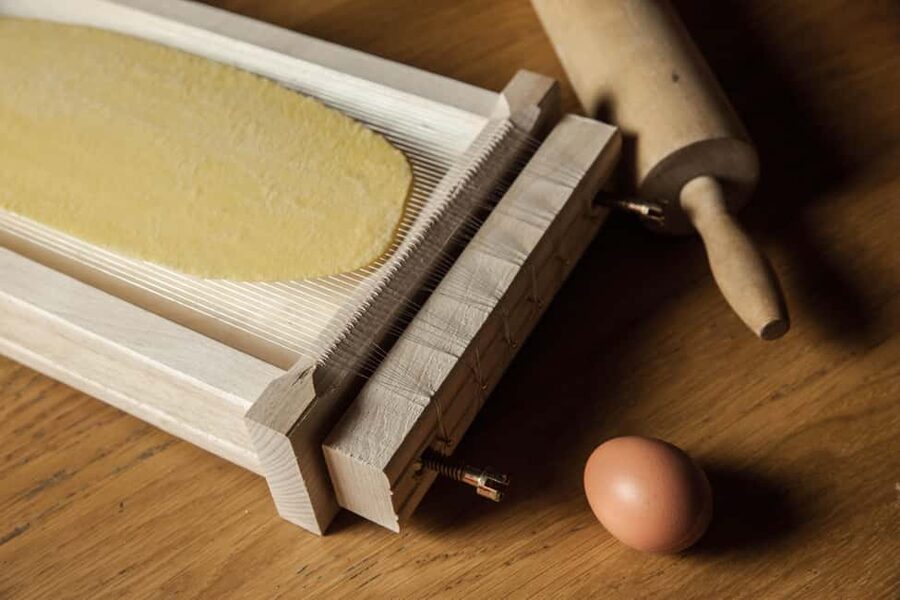
The second main task is tiramisu. The class promises to show you the secrets of making the dessert properly, then gives you the chance to eat the finished dish.
Tiramisu is a smart choice for a short cooking class because it combines technique with timing. You learn how the parts fit together, rather than simply decorating a ready-made dessert. The lesson should help you understand the role of each component, even though the exact recipe details are not provided.
The dessert also gives the class a pleasant change of pace. Pasta requires effort and repeated handling. Tiramisu is a slower, more assembled preparation, making it a natural companion to the pasta lesson.
Do not assume that the dessert will be prepared in advance or served separately from your meal. The description says you prepare the tiramisu and taste the dishes made during the class. The exact order is not given, so the instructor may organize the food according to the recipe and serving needs.
If dessert is your main reason for booking, ask about the exact tiramisu ingredients before paying. The activity is not suitable for people with food allergies, and dietary restrictions or allergies must be reported in advance.
Same kitchen, a different thing to make:
- Milan: Pasta and Tiramisu Small Group Cooking Class with Wine
★ 5.0 · 660 reviews - Milan: Fresh Pasta & Tiramisù Class in a Glamorous Home
★ 4.9 · 478 reviews - Milan Culinary Experience: Pasta & Gelato or Tiramisù Class
★ 5.0 · 337 reviews - Milan: Traditional Pasta and Tiramisù Masterclass
★ 5.0 · 307 reviews
Sitting down to taste what you prepared
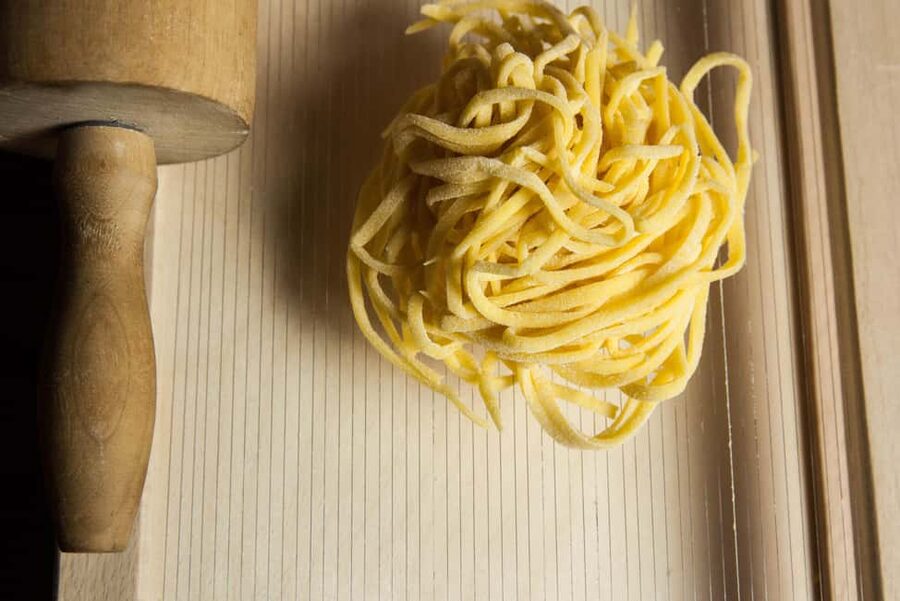
The meal at the end is more than a bonus. It gives the class a clear purpose. You are not just practicing techniques, then leaving with an unfinished dish. You taste the food in a friendly, family-style setting.
That shared meal is where the home concept should work best. Italian cooking is closely tied to sitting together and eating what has just been prepared. The final tasting lets you judge the pasta and tiramisu while the instructions are still fresh in your mind.
The available information does not confirm what drinks are included, and it does not promise wine. That matters because several similar Milan-area classes advertise wine, but this activity does not. Do not assume that beverages or extra courses are part of the booking.
Likewise, no exact menu is supplied beyond pasta and tiramisu. The class is best viewed as a focused two-dish meal, not a full regional feast.
Why the three-hour length makes sense
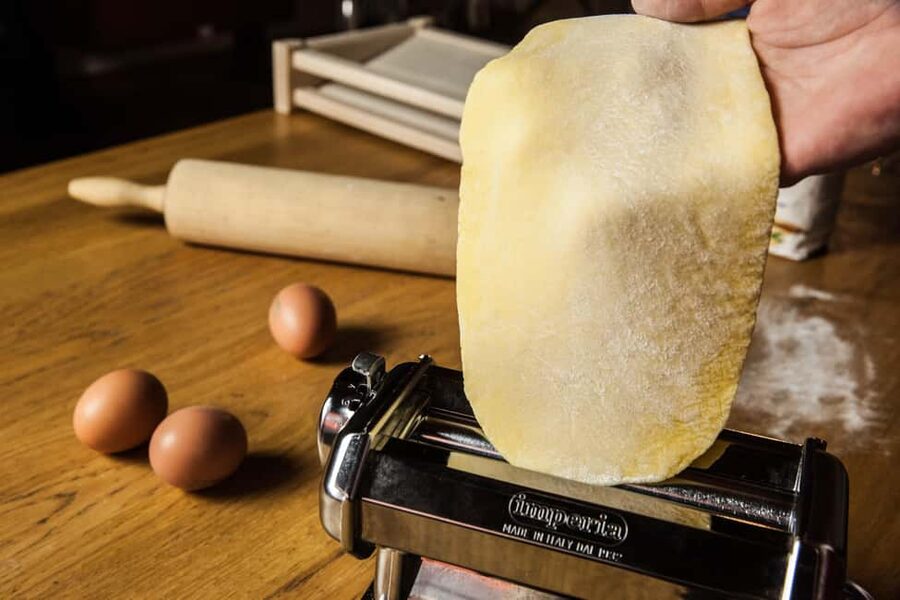
Three hours is a reasonable amount of time for this type of class. Fresh pasta needs preparation, shaping, and cooking, while tiramisu requires its own ingredients and assembly. Add instruction, questions, and the final tasting, and a quick one-hour lesson would feel rushed.
The longer format should also help you enjoy the social side. You are not expected to hurry through the kitchen and leave. The class is meant to create the feeling of being welcomed into a home.
Starting times are not fixed in the supplied information. You need to check availability for the date you want. That is especially important if you are fitting the class around train travel, a museum visit, or another booking in Lombardy.
Because the meeting point is home-based, leave extra time to locate the address. The activity information does not explain transportation, pickup, parking, or whether a car is needed. One reported booking included a complaint about there being no car, so confirm the access plan directly before the day of the class.
English instruction and the role of the instructor
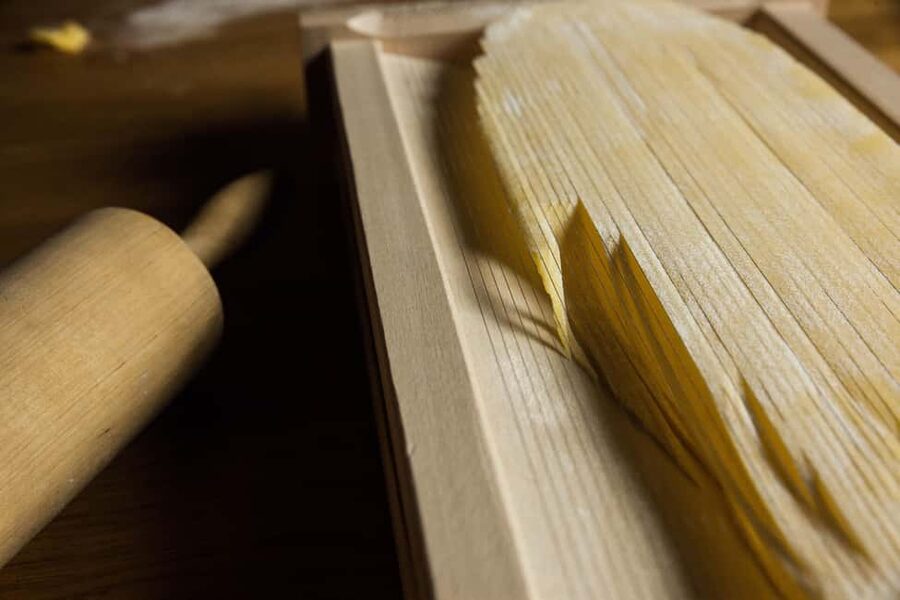
Instruction is offered in English. That makes the activity accessible to visitors who do not speak Italian, and it should allow the instructor to explain the pasta method and dessert preparation clearly.
The named provider is Carlotta Camilla Bortoluzzi Maiano. No additional guide or chef name is provided, so you should not expect a rotating team of instructors based on the information available.
A small group can make English instruction more effective. You have time to ask for a demonstration again, check a technique, or clarify an ingredient. That is far better than trying to follow a fast demonstration while standing several people away.
At the same time, English-language teaching can vary from one instructor to another. The description confirms the language but does not provide sample lesson details or a full instructor biography. If detailed culinary training matters to you, ask what level of instruction to expect.
Ingredients, clothing, and food restrictions
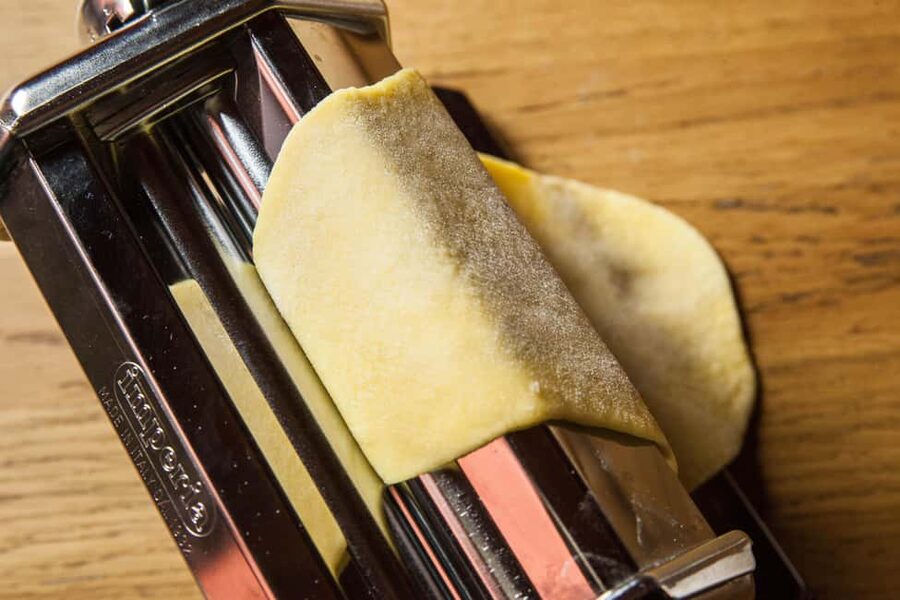
You are told to bring comfortable clothes and ingredients. The instruction to bring ingredients is unusual because the class is also described as a hosted cooking experience, and the exact ingredients are not listed.
Before booking, ask whether you need to purchase anything yourself, or whether the provider will send a list. This is one of the most practical points to clarify. You do not want to arrive without a required item, or buy ingredients that are already supplied.
Comfortable clothing makes sense for hands-on preparation. You may be standing, kneading, rolling, and working around a kitchen for much of the session. The information does not state whether an apron is provided, so wearing clothes you do not mind cooking in is sensible.
Food restrictions need early attention. The provider asks you to report allergies or dietary restrictions in advance, but the activity is also marked as not suitable for people with food allergies. Those two points mean you should contact the provider before booking if food safety is a concern.
The class is not suitable for people with food allergies, and food is not allowed as an item to bring. Do not bring outside food to the session.
Value, flexibility, and the reliability question
No price is provided here, so I cannot judge the exact cost. The value depends on what you want from a cooking class. A small, three-hour lesson with direct instruction and a shared meal can justify a higher price than a brief demonstration, especially if you want skills you can repeat at home.
You are paying for more than pasta and dessert. You are also paying for the home setting, limited group size, instruction, and the chance to practice rather than simply watch. If the group really stays at four people, that personal attention is a meaningful part of the value.
The flexible booking terms also help. You can reserve now and pay later, which keeps your plans open. Cancellation is allowed up to 24 hours before the activity for a full refund.
But flexibility does not remove the need for confirmation. One verified booking report describes a participant arriving to find no one available to open the door, calling the experience a lie, and reporting that money had been taken. That is the lowest rating in the supplied material and the only detailed report, but it cannot be ignored.
I would confirm the date, time, full address, entry instructions, and transportation plan in writing before attending. Keep the provider’s contact information handy on the day. If you do not receive a response, contact the booking platform before traveling to the meeting point.
Who should book this class?
I would recommend this class most strongly to you if you want a personal food activity rather than a formal tour. It suits solo cooks, couples, families, and small groups who like to work with their hands and eat the result.
Beginners are welcome, so you do not need to feel embarrassed about limited kitchen experience. The class also makes sense for confident cooks who want to learn a traditional Italian approach to pasta and tiramisu.
It may be less suitable if you want a detailed regional menu, a guaranteed wine pairing, or a clearly listed pasta shape. Those details are not included. It is also a poor fit for anyone with food allergies, given the stated restriction.
The activity works best as a stand-alone food experience in Lombardy. It is not designed to cover major sights, explain local history, or provide transportation around the area.
Final verdict: book only after confirming the host
The food concept is appealing. Handmade pasta, tiramisu, a four-person limit, English instruction, and a home setting make this more personal than a crowded cooking demonstration. I especially like that you eat what you prepare and learn techniques you can use again.
Still, the reported no-show problem is a major concern. Because the activity takes place in a private home, clear contact and arrival instructions matter more than they would at a public restaurant or cooking school.
Book it if the provider responds promptly, confirms the appointment, explains what ingredients you need, and gives you clear access information. If communication is poor or the meeting details remain vague, choose another pasta class in the Milan and Lombardy area. The recipe may be traditional, but your booking process should be modern and dependable.
FAQ
Where does the cooking class take place?
The class takes place in a home setting in Lombardy, Italy.
How long does the experience last?
The cooking class lasts three hours.
What will I prepare?
You will prepare fresh pasta from scratch and tiramisu.
Is the class taught in English?
Yes. English is listed as the instruction language.
How many people can join?
The group is limited to four participants.
Is the class suitable for beginners?
Yes. The activity is described as suitable for all skill levels, from beginners to advanced cooks.
Do I eat the food I prepare?
Yes. The experience includes tasting the dishes prepared during the class.
What should I bring?
You should bring comfortable clothes and ingredients. Since the required ingredients are not specified, ask the provider what you need to bring before attending.
Can I attend if I have a food allergy?
The activity is listed as not suitable for people with food allergies. You should also inform the provider in advance about any dietary restrictions or allergies.
Can I cancel the booking?
Yes. You can cancel up to 24 hours in advance for a full refund. You can also reserve now and pay later.
Just added around Milan
- Share Your Pasta Love in a Local’s Home in Milan★ 5.0 · 3 reviews
- Small group Pasta and Tiramisu class in Milan by Cesarine★ 5.0 · 25 reviews
- Easily Make Pasta, Bruschetta & Tiramisù★ 5.0 · 14 reviews
- Rockin kitchen : Fresh Pasta lesson with Music Aperitif Dinner★ 5.0 · 28 reviews
- Pasta and Tiramisu Cooking Class at Come Na Vorta Navigli Milan★ 5.0 · 16 reviews
- Italian Cocktail + Art of Making Pasta Cooking Class In Unique Milan Location★ 5.0 · 16 reviews
- PRIVATE Cooking Class in a Local Home – Pick Your Menu★ 5.0 · 18 reviews
- Milan: The Ultimate Pasta Mastery Workshop★ 4.0 · 21 reviews
Tiramisu Classes, compared.

3 in 1 Cooking Class near Navona: Fettuccine, Ravioli & Tiramisu
Read our review →
Pasta & Tiramisu Cooking Class with Unlimited Wine
Read our review →
Pasta & Tiramisu Class with Fine Wine by the Vatican
Read our review →
3-in-1 Fettuccine, Ravioli, and Tiramisu Cooking Class
Read our review →
Learn to Make Pasta & Tiramisu with Wine and Limoncello Included
Read our review →
Cooking Class Pasta & Tiramisu Making Unlimited Wine
Read our review →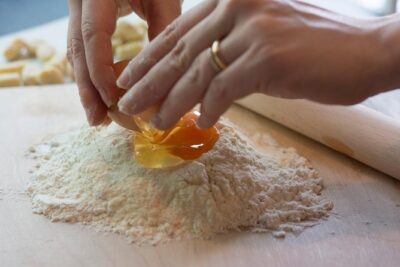
Become a Masterchef in Rome: Pasta, Ravioli and Tiramisù Class
Read our review →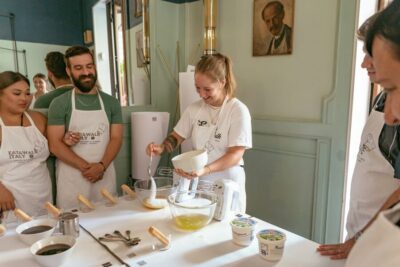
Fettuccine & Tiramisù: Cooking Class with Wine & Limoncello
Read our review →Browse the lists this tour appears in