
Review · MILAN
Milan: Pasta & Tiramisu Cooking Class with Premium Products
Good pasta starts with your hands. This three-hour Milan cooking class brings you into chef Rafael’s private loft, where you make fresh pasta, two sauces, and tiramisu from scratch. I especially like the small group of up to eight and the generous focus on olive oil, balsamic vinegar, bread, and ingredient quality. The main consideration is that this takes place in a private home, not a polished cooking school, so the kitchen is cozy rather than spacious.
I also like that the meal is part of the experience, not an afterthought. You sit down with the food you prepared, Italian wine, and the other participants. Rafael’s warm, talkative style has earned consistent praise, though his personal approach means the class can feel more like a long social evening than a tightly timed professional demonstration.
Key points to know before booking
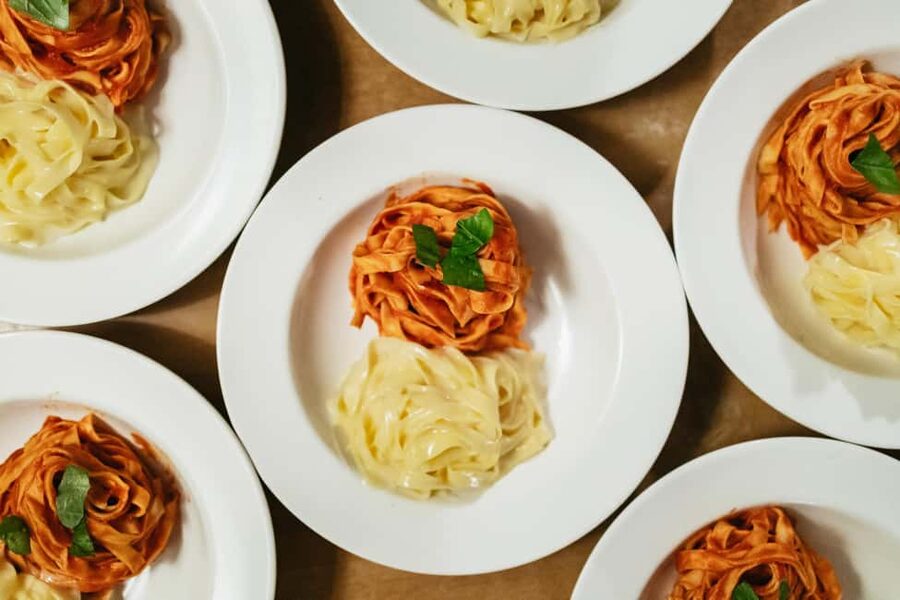
- You cook three distinct parts of the meal: fresh pasta, a tomato sauce, a Parmesan-based sauce, and tiramisu.
- Rafael teaches ingredient judgment: olive oil, balsamic vinegar, artisan bread, and Italian labels all get attention.
- The setting is a private Milanese loft: intimate and personal, but not a large commercial kitchen.
- You eat what you make: the class ends with a family-style meal and a bottle of Italian red or white wine.
- The group limit is eight people: solo visitors can fit in easily, and the small size supports conversation.
- The price is $80 per person: that covers the chef, class, tastings, two pasta dishes, dessert, wine, and water.
Entering Rafael’s Milan loft
The meeting point is in front of the Brambilla Univeral Shoes Store. From there, you head to Rafael’s loft in a historic Milanese building, a useful detail to keep in mind because this is not a restaurant or a purpose-built culinary studio.
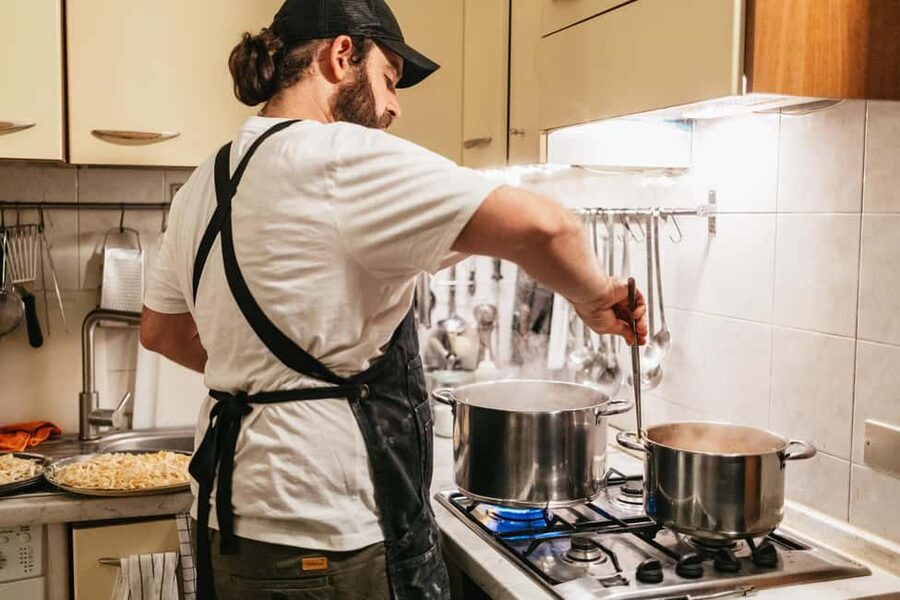
That private-home setting shapes the whole evening. You are not watching a chef work from the back of a large room. You are gathered around a domestic kitchen, handling ingredients, asking questions, and sharing the table afterward. I see this as the heart of the experience, especially if you want a personal introduction to Italian food rather than a polished show for a large crowd.
The trade-off is space. One participant described the apartment as tiny with eight people, though also felt that a bigger modern kitchen would not have improved the evening. You should expect close quarters, a relaxed pace, and a setting that feels more like cooking with a friend than attending a formal school.
Rafael is the central reason the class works. He explains food with enthusiasm, tells stories from his life, and encourages conversation about Italian culture and other cuisines. His style is friendly and open. If you prefer a quiet class with little conversation, this may feel a bit too social. If you enjoy learning through stories and questions, it is a strong match.
More Tiramisu Classes in Milan
- The Secrets to Learn Fresh Pasta and Tiramisù in a Glam Home
★ 5.0 · 1,182 reviews - Milan: Pasta and Tiramisu Cooking Class with Wine
★ 4.8 · 1,106 reviews - Gnocchi, Pasta, Tiramisù and Wine Class
★ 5.0 · 691 reviews
Olive oil, balsamic vinegar, and the first taste of Italy
The class begins with a tasting of Italian products. You try olive oils and balsamic vinegars with artisan bread while Rafael explains how to notice quality and understand different labels.
This opening matters because it gives you a working sense of flavor before you start cooking. Many cooking classes rush straight to the recipe. Here, the ingredients get their own introduction. You begin to see why a few simple foods can taste so different depending on the oil, vinegar, bread, and produce used.
Rafael also talks about the food industry and how to choose better products. That is practical information you can use at home, not just a bit of culinary theater for Milan. You may leave with a better eye for labels and a sharper sense of what quality olive oil should bring to a dish.
The tasting is also a good social warm-up. With no more than eight participants, conversation can move around the group. Solo visitors have described feeling included rather than left on the edge of the table, and couples or families can expect plenty of interaction.
Making pasta from eggs, flour, and patience
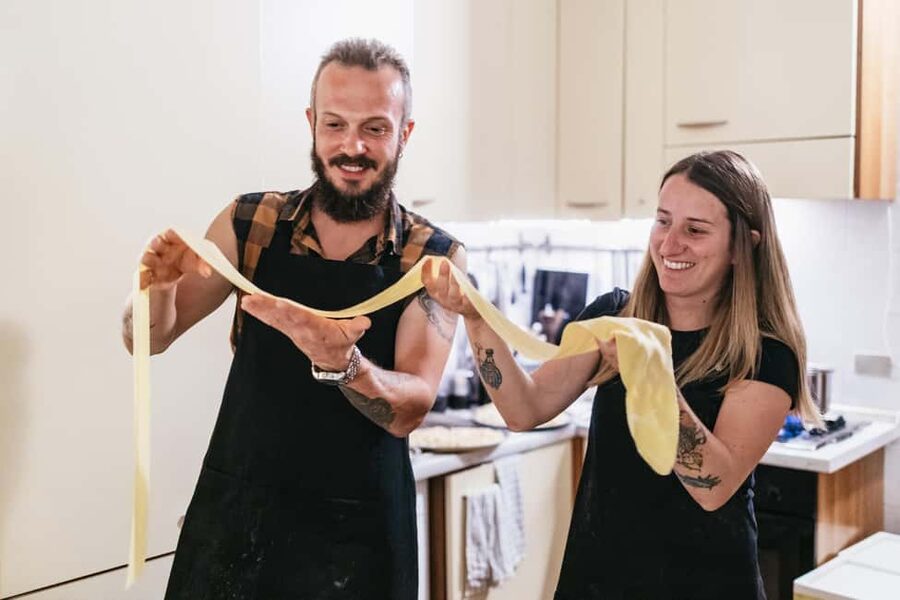
The main lesson is fresh pasta from scratch. You work with eggs and flour, knead the dough, and use a pasta machine to roll and shape it.
Rafael breaks the process into manageable steps. His teaching style is encouraging, and beginners should not feel they need previous cooking experience. One of the most useful ideas is that fresh pasta is not an all-day ordeal. With good ingredients and a clear method, it becomes a practical meal you can repeat at home.
The hands-on nature is important. You do not simply watch Rafael prepare a perfect sheet of dough. You take part in the mixing, kneading, rolling, and shaping. That gives you a better feel for texture than a written recipe can provide.
The class produces two pasta dishes. The exact shapes are not specified, so you should focus less on collecting a particular recipe and more on learning the basic method. You will practice the part that transfers best to your own kitchen: how the dough should feel, how to work it through the machine, and how to pair it with sauce.
I like the way this turns an intimidating dish into a simple set of tasks. You also get immediate feedback from the chef. If the dough needs more attention, Rafael can show you what to change before it reaches the plate.
Two sauces, two ways to understand pasta
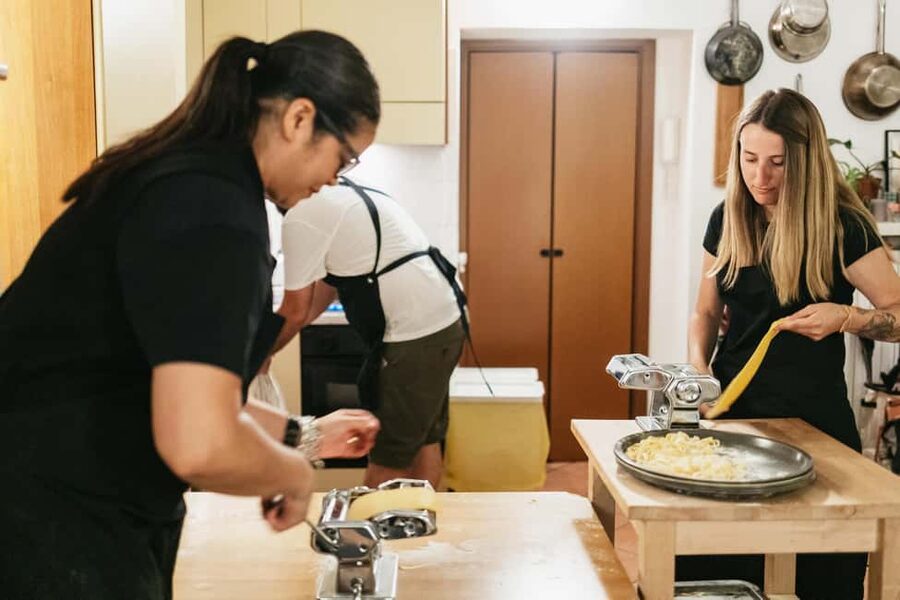
The pasta is paired with two classic sauces. One is a rich tomato sauce. The other is a savory Parmesan-based sauce with a creamy character.
This gives the class more range than a single pasta-and-sauce lesson. Tomato sauce shows how a few ingredients can build depth when handled well. The Parmesan sauce brings a different lesson, one based on richness, balance, and careful pairing.
The sauces also make the final meal feel substantial. You are not making one small sample and then leaving for dinner. The class includes two pasta dishes, followed by tiramisu, wine, and water. Several participants described the finished food as plentiful and surprisingly good for such basic techniques.
That point is worth stressing. The class is not trying to turn you into a restaurant chef in three hours. It shows you how fresh ingredients, sound methods, and attention to detail can produce a full meal without complicated equipment.
Same kitchen, a different thing to make:
- Milan: Pasta and Tiramisu Small Group Cooking Class with Wine
★ 5.0 · 660 reviews - Milan: Fresh Pasta & Tiramisù Class in a Glamorous Home
★ 4.9 · 478 reviews - Milan Culinary Experience: Pasta & Gelato or Tiramisù Class
★ 5.0 · 337 reviews - Milan: Traditional Pasta and Tiramisù Masterclass
★ 5.0 · 307 reviews
Tiramisu with a useful home recipe
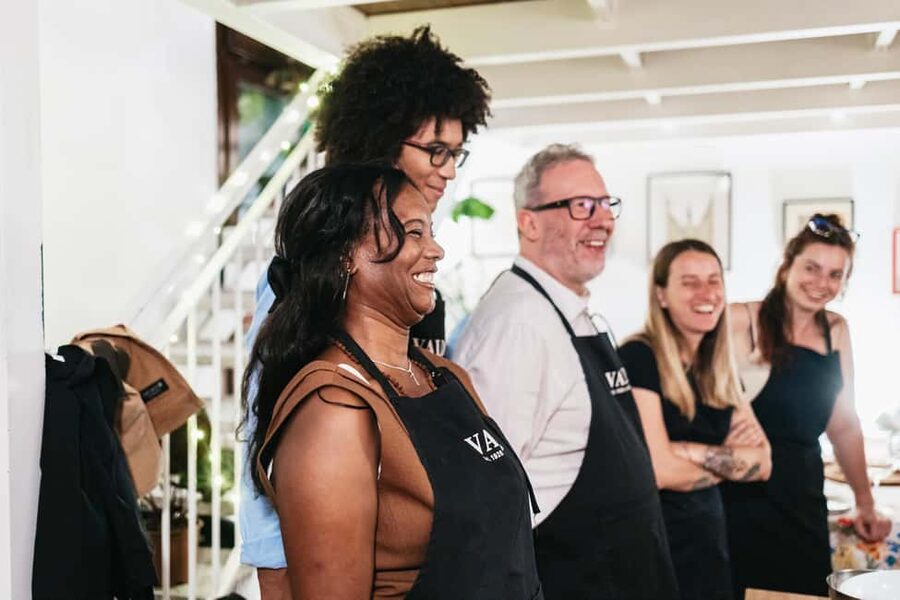
Dessert is classic tiramisu. Rafael explains the history and method, then guides you through preparing it.
The dessert is especially good for beginners because the steps are clear and adaptable. One participant appreciated learning how to adjust the ingredients to personal taste, including the level of sweetness. Another praised the balance of the finished tiramisu, calling it neither too sweet nor too heavy.
That flexibility makes this more useful than simply copying a fixed formula. You learn the structure of the dessert and how small changes affect the final result. It is the kind of lesson you can repeat for friends or family after returning home.
There is also a satisfying rhythm to the meal. You begin with tastings, move into dough and sauces, prepare dessert, then sit down to eat. Tiramisu gives the class a clear finish, especially when paired with the wine and conversation that continue around the table.
The family-style meal and Italian wine
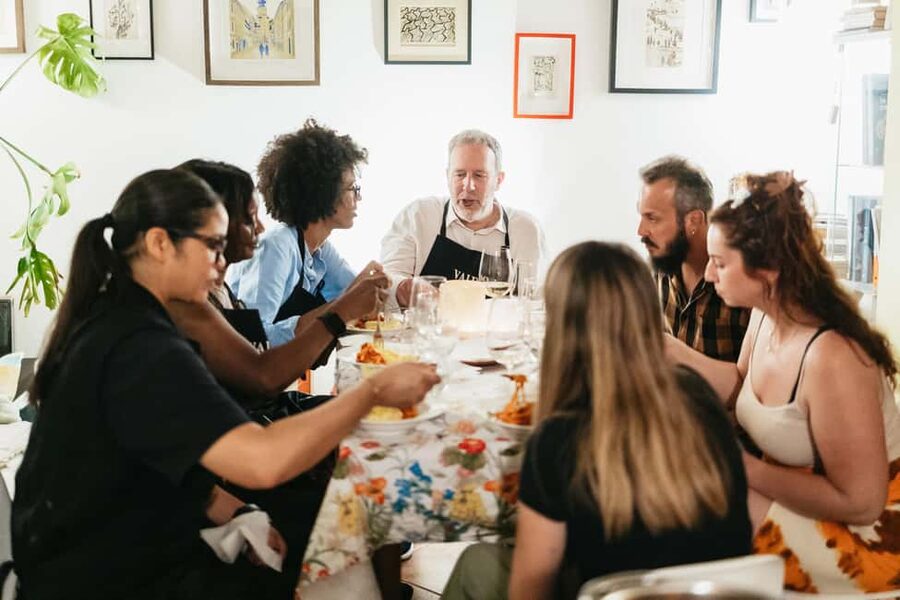
After the cooking, everyone eats together. The meal includes the two pasta preparations, tiramisu, water, and one bottle of Italian wine, either red or white.
This shared meal is more than a bonus. It lets you taste the effect of the work you just did. Fresh pasta has a different texture from dried pasta, and you can connect the finished dish with each stage of preparation.
The family-style format also creates the most memorable part of the evening for many people. You are no longer standing at a counter or waiting for a demonstration. You are sitting down with the chef and the small group, talking about food, Italy, travel, and life.
Rafael is generous with conversation and often offers local recommendations after the class. One person received suggestions for places to visit during the rest of an afternoon in Milan. Another appreciated his follow-up advice about food spots. These extras are not listed as a formal part of the class, so do not book solely for them, but they fit the personal spirit of the experience.
Wine is included, but this is not presented as a wine class. If you are looking for detailed instruction about Italian wine regions or tasting technique, this is not the right choice. The bottle is there to accompany the food and the table.
Is $80 a fair price in Milan?
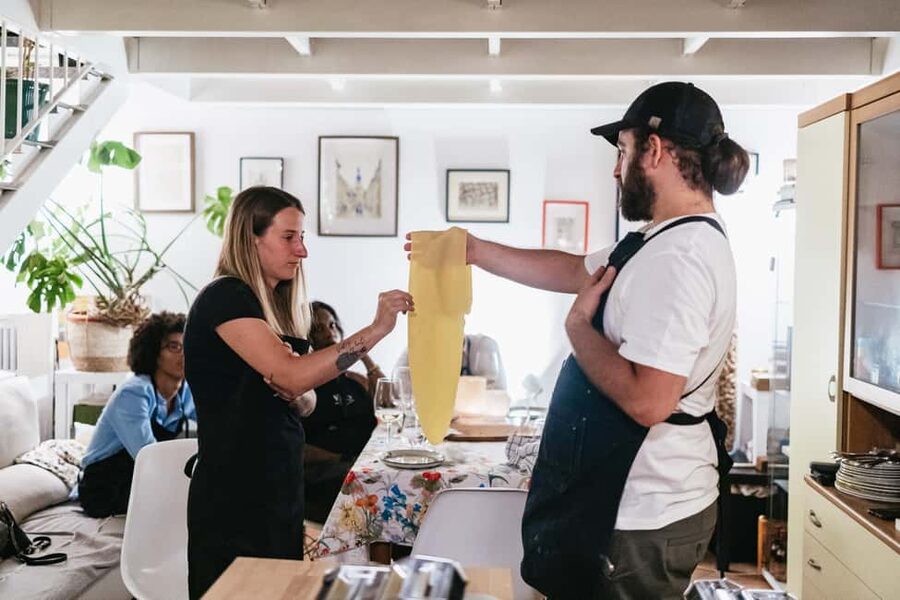
At $80 per person, the price is reasonable for a three-hour activity that includes instruction, ingredient tastings, two pasta dishes, tiramisu, a full shared meal, wine, and water.
The value is strongest if you count the class as both a meal and a cultural activity. A restaurant dinner alone would not teach you how to make pasta, and a short demonstration would not give you the same chance to handle the dough and prepare the sauces yourself.
You also avoid the feel of a large group production. With a maximum of eight people, Rafael can answer questions and adjust his explanations to the group. A solo booking may even become a private lesson if others cancel, as happened for one participant.
There are two limits to the value. First, the class may run longer than the advertised three hours. One person reported an evening lasting four hours, which suited the relaxed format but may matter if you have a train, flight, or another booking. Second, the private-home setting will not suit anyone expecting restaurant-level space or professional classroom equipment.
For most food-focused visitors, the combination of practical skills and dinner makes the cost fair. You are paying for instruction, food, wine, and time with a chef, not just ingredients.
Who will enjoy this class most?
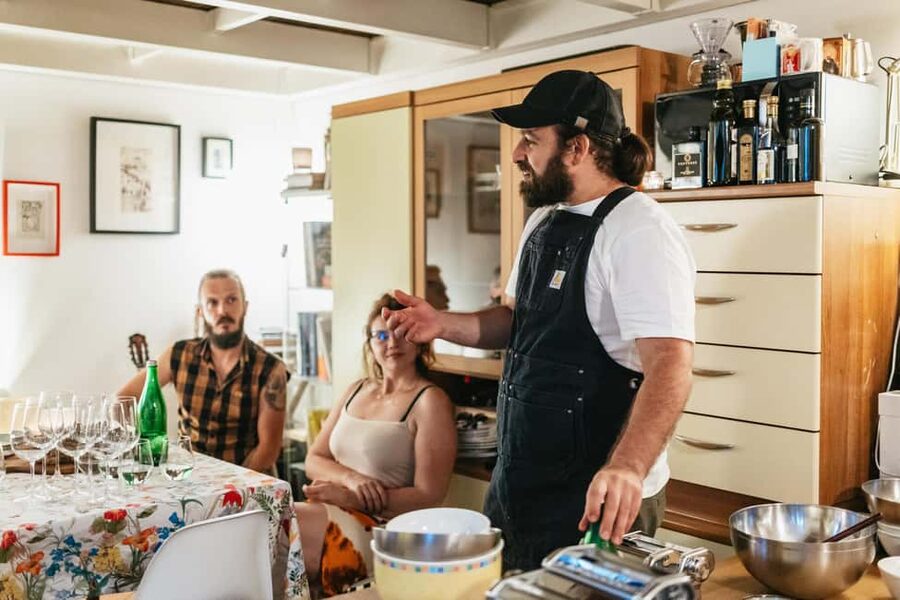
I would choose this class if you want to cook, eat, and talk. It suits beginners, solo visitors, couples, families, and small groups looking for something more personal than a standard sightseeing stop.
It is particularly good for:
- People who want a recipe they can repeat at home
- Anyone curious about Italian ingredients and food labels
- Solo visitors who enjoy meeting people over a shared meal
- Couples seeking a hands-on activity for an evening in Milan
- Food lovers who value conversation and cultural context
- Visitors who prefer a private home to a large culinary studio
You may want to skip it if you need a tightly controlled schedule, dislike small kitchens, or prefer to watch rather than participate. It is also less suitable if you want advanced culinary training. The level is practical and accessible, with an emphasis on confidence and enjoyment.
The class is taught in English. The advertised duration is three hours, but allow extra time if your schedule is tight. Free cancellation is available up to 24 hours before the activity, and you can reserve now and pay later, which helps if your Milan plans are still shifting.
What makes Rafael’s teaching effective
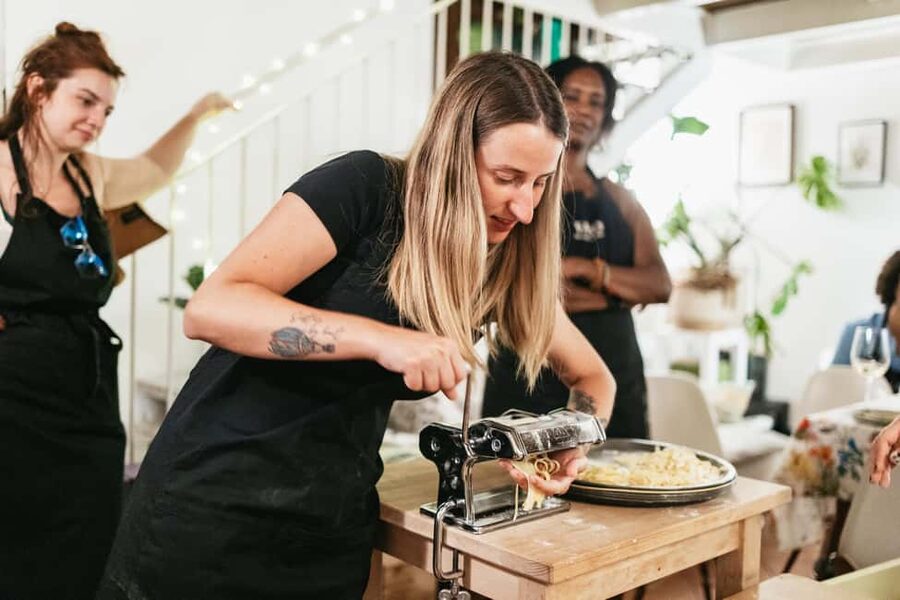
Rafael combines instruction with personality. He explains ingredients in detail, gives clear guidance, and keeps the tone relaxed. His passion for food is repeatedly evident in the way he discusses quality, labels, cooking methods, and the background of Italian dishes.
He also makes room for personal exchange. Stories about his life and Italian food culture become part of the evening, while questions from the group can shape the discussion. This is why the experience feels different from following a recipe video. You can ask why a technique works, how to adjust a dish, or what to look for when shopping.
The personal style has one clear downside: the class may not follow a rigid script. Timing and conversation can expand, and the evening may feel less efficient than a commercial workshop. I consider that a fair exchange here, but it is worth knowing before you book.
Should you book the Milan pasta and tiramisu class?
Book it if you want a warm, hands-on evening built around real food and easy-to-repeat techniques. The strongest reasons are the eight-person limit, the ingredient tasting, Rafael’s engaging instruction, and the chance to eat a complete meal that you helped prepare.
Before booking, be comfortable with the private-home setting and possible schedule flexibility. If you are happy with a cozy kitchen, plenty of conversation, and a host who treats the class like an evening with friends, the $80 price offers solid value. If you want a sleek studio, advanced cooking theory, or a precisely timed lesson, choose a more formal school instead.
For most people visiting Milan, I would put this high on the list of food activities. It gives you something useful to take home, something delicious to eat, and a personal connection to Italian cooking that a restaurant meal alone cannot provide.
FAQ
Where does the cooking class take place?
The class takes place in Rafael’s private loft, located in a historic Milanese building and private home rather than a restaurant or cooking school.
What is the meeting point?
Meet in front of the Brambilla Univeral Shoes Store.
How long does the class last?
The advertised duration is three hours. One participant reported that the evening lasted four hours, so allow some extra time if you have later plans.
How many people can join?
The class is limited to eight participants.
What language is the class taught in?
The class is taught in English.
What food do you make?
You make fresh pasta from eggs and flour, two pasta sauces, and tiramisu.
What sauces are included?
The class includes a rich tomato sauce and a savory Parmesan-based sauce.
Is wine included?
Yes. The experience includes one bottle of Italian wine, either red or white, along with water.
What else is included besides the meal?
You receive a tasting of Italian olive oils and balsamic vinegars with artisan bread, instruction from the chef, two pasta dishes, tiramisu, and a family-style meal.
Can I cancel the booking?
You can cancel up to 24 hours in advance for a full refund. You can also reserve now and pay later.
Just added around Milan
- Share Your Pasta Love in a Local’s Home in Milan★ 5.0 · 3 reviews
- Small group Pasta and Tiramisu class in Milan by Cesarine★ 5.0 · 25 reviews
- Easily Make Pasta, Bruschetta & Tiramisù★ 5.0 · 14 reviews
- Rockin kitchen : Fresh Pasta lesson with Music Aperitif Dinner★ 5.0 · 28 reviews
- Pasta and Tiramisu Cooking Class at Come Na Vorta Navigli Milan★ 5.0 · 16 reviews
- Italian Cocktail + Art of Making Pasta Cooking Class In Unique Milan Location★ 5.0 · 16 reviews
- PRIVATE Cooking Class in a Local Home – Pick Your Menu★ 5.0 · 18 reviews
- Milan: The Ultimate Pasta Mastery Workshop★ 4.0 · 21 reviews
Tiramisu Classes, compared.
3 in 1 Cooking Class near Navona: Fettuccine, Ravioli & Tiramisu
Read our review →
Pasta & Tiramisu Cooking Class with Unlimited Wine
Read our review →
Pasta & Tiramisu Class with Fine Wine by the Vatican
Read our review →
3-in-1 Fettuccine, Ravioli, and Tiramisu Cooking Class
Read our review →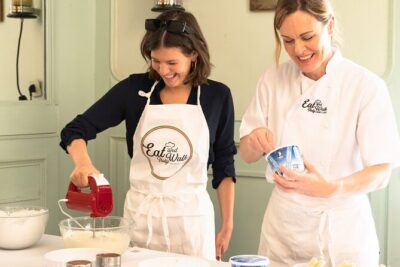
Learn to Make Pasta & Tiramisu with Wine and Limoncello Included
Read our review →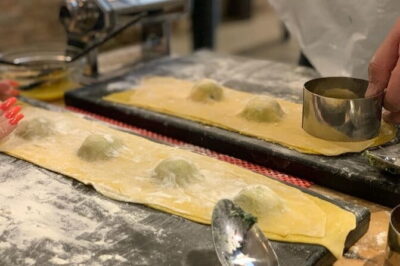
Cooking Class Pasta & Tiramisu Making Unlimited Wine
Read our review →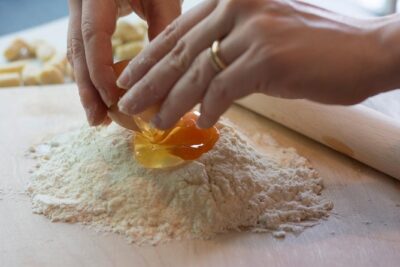
Become a Masterchef in Rome: Pasta, Ravioli and Tiramisù Class
Read our review →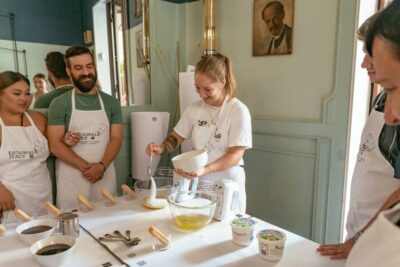
Fettuccine & Tiramisù: Cooking Class with Wine & Limoncello
Read our review →Browse the lists this tour appears in