
Review · ITALY
Share your Pasta Love: Small group Pasta and Tiramisu class – Bassano del Grappa
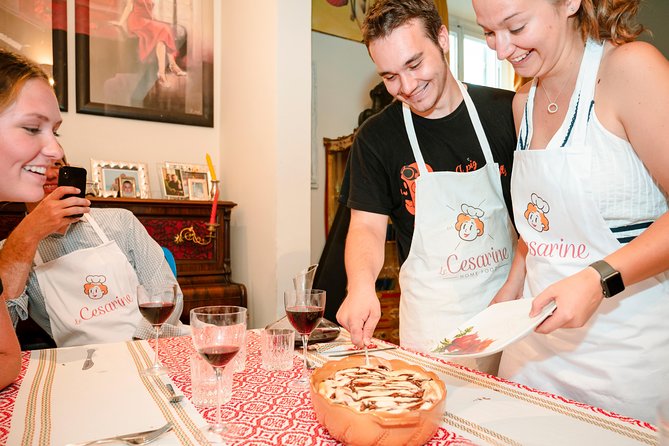
Bring an appetite for family recipes. This three-hour class takes you into a local home in Bassano del Grappa, where you learn to roll fresh pasta by hand, prepare two pasta styles, and make tiramisu with a home cook. I like the small maximum group of 12, which keeps the class social without making it feel like a cooking school assembly line. I also like the aperitivo at the start, a simple Italian touch that helps everyone relax before the flour appears.
The main consideration is location. The experience is marketed with Treviso in the general location details, but the meeting point is in Bassano del Grappa, in the Province of Vicenza. You need to plan your transport carefully, especially since one participant was picked up and returned to a local station by the host’s daughter when the countryside address seemed hard to reach.
Key points to know before booking
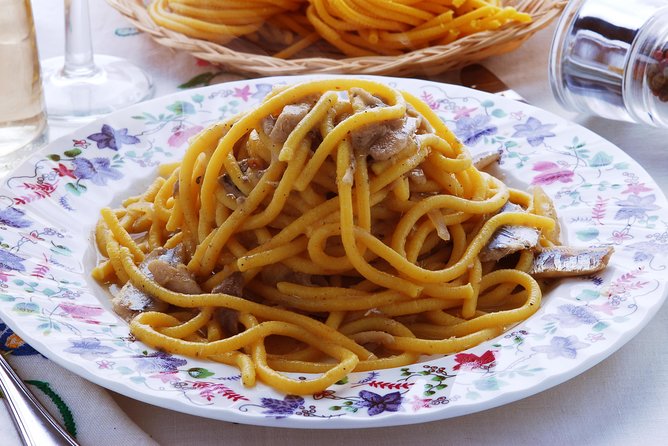
- Fresh pasta is made by hand: You learn to roll sfoglia, the thin sheet of pasta used in classic Italian cooking.
- Two pasta types are included: The class covers filled pasta, such as ravioli, along with another fresh pasta preparation.
- Tiramisu is part of the lesson: Dessert is not an afterthought. You prepare the famous coffee and cream dish yourself.
- The class takes place in a local home: Hosts welcome you into their own kitchens and share family cooking methods.
- An aperitivo starts the gathering: Drinks and a light welcome help break the ice before cooking begins.
- The group can reach 12 people: That is small enough for a shared table, though it may feel less personal at full capacity.
A cooking class inside a real Italian home
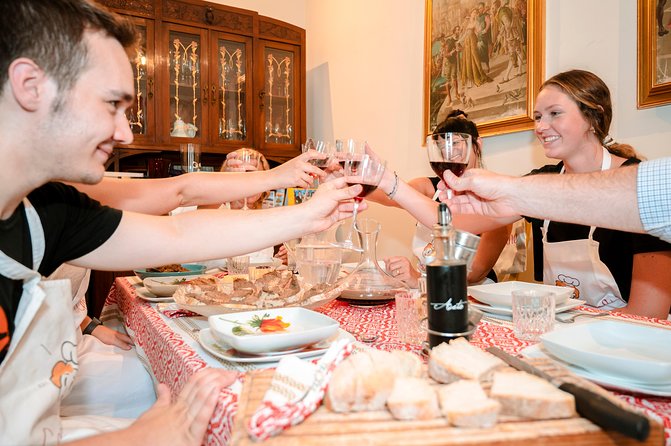
The appeal here is the setting. You are not simply watching a chef prepare pasta behind a counter. You enter a carefully selected local home in Bassano del Grappa, meet the host, and cook in the same kind of domestic setting where family dishes are passed down.
That setting changes the pace. The focus is not on racing through a menu or collecting a certificate. You are there to work with your hands, ask questions, and see how a familiar Italian dish is handled at home.
The hosts are part of a nationwide network of Italian home cooks. Their role is to share recipes connected to local family life, not to present a polished restaurant performance. I find that a good fit for anyone who wants food to be the center of a cultural experience rather than just another stop on a sightseeing schedule.
Several host names appear in the experience details, including Gabriella and Arturo. Their daughters Elizabeth and Barbara were also involved in one memorable class, giving that gathering an especially warm family feel. Another account refers to a host named Elisabetta, so your exact host may differ. That is part of the home-cooking format: the personality of the household matters as much as the recipe.
More Tiramisu Classes in Italy:
- 3 in 1 Cooking Class near Navona: Fettuccine, Ravioli & Tiramisu
★ 5.0 · 7,376 reviews - Florence: Pasta & Tiramisu Cooking Class with Unlimited Wine
★ 4.9 · 6,708 reviews - Rome: Pasta & Tiramisu Class with Fine Wine by the Vatican
★ 4.9 · 4,852 reviews
Starting with an aperitivo
The class begins with an Italian aperitivo. This is more than a drink before dinner. It gives you a chance to settle in, meet the other people at the table, and get comfortable in a private home before the practical work starts.
I like this opening because cooking with strangers can feel awkward for the first few minutes. A shared aperitivo creates an easy beginning, especially if you arrive alone or are traveling with only one companion.
The activity is capped at 12 people. That is a useful middle ground. You get the energy of a shared class, but the group should remain manageable enough for the host to demonstrate techniques and keep an eye on the pasta. At the full limit, however, this will not be an intimate one-on-one lesson. If personal attention is your top priority, keep the group size in mind.
Rolling sfoglia by hand
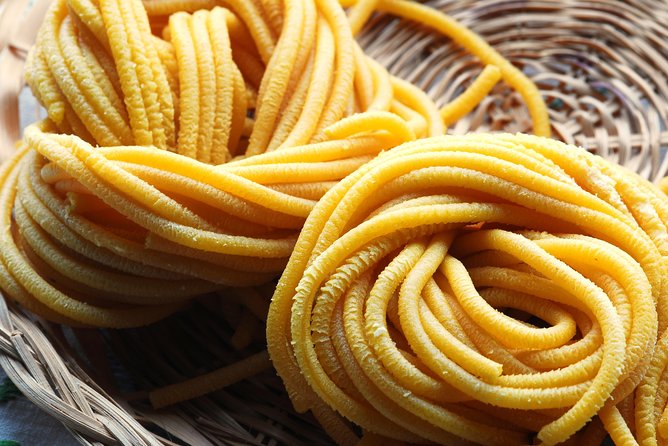
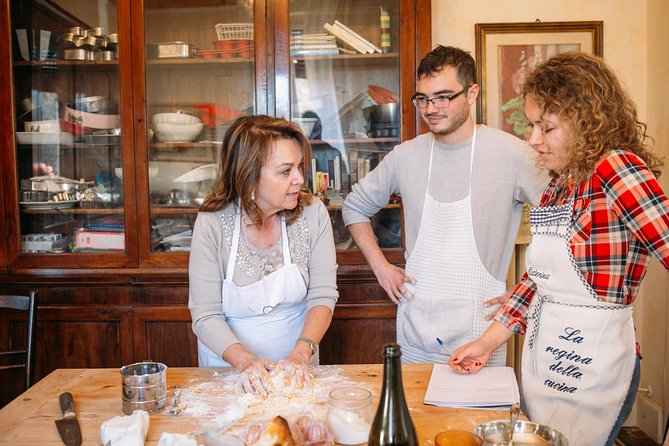
The first major skill is making sfoglia, the thin sheet of fresh pasta. You learn to roll it by hand rather than relying only on a machine. This is where the class earns its keep: pasta dough looks simple, but getting the right thickness and texture takes practice.
The hands-on method lets you feel the dough change as you work. You can see how a sheet becomes thin enough for shaping, yet sturdy enough to hold a filling. The process is also a useful lesson in patience. You may not produce perfectly even pasta on your first try, and that is fine. The point is to understand the method well enough to repeat it later.
This is a good reason to choose a cooking class instead of merely ordering handmade pasta at a restaurant. You leave with a practical skill, not just a pleasant meal. I would pay close attention to the host’s instructions on thickness, folding, and handling, since those small details are hard to learn from a recipe card alone.
Making two pasta styles from scratch
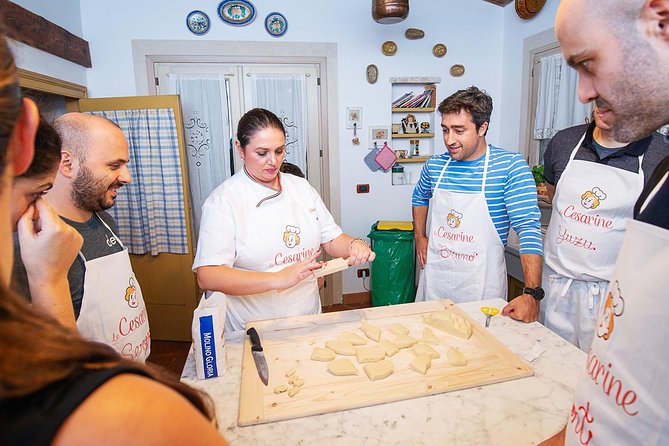
The class teaches two different pasta preparations. One is filled pasta, with ravioli specifically mentioned in the experience feedback. The other is fresh pasta that does not use a filling.
That contrast makes the lesson more useful. You are not repeating one shape twice. You see how the same basic dough can become different dishes, and you learn why filled pasta requires careful sealing and portioning. Ravioli also gives you a chance to practice working neatly, since too much filling or trapped air can make the pasta difficult to close.
The second pasta style broadens the lesson. You get a better sense of how Italian cooks use fresh dough in more than one form. The exact shapes and sauces are not specified, so you should not book this expecting a particular regional recipe beyond the stated fresh and filled pasta lesson.
The experience is especially well suited to people who enjoy learning by doing. You will not simply sit at a table while the host prepares the food. Expect flour, dough, shaping, and plenty of direct participation.
More Small Group Pasta Classes in Italy:
- Milan: Pasta and Tiramisu Small Group Cooking Class with Wine
★ 5.0 · 660 reviews - Florence Small-Group Pasta Class with Seasonal Ingredients
★ 5.0 · 532 reviews - Bologna: Pasta and Tiramisu Small Group Cooking Class with Wine
★ 5.0 · 409 reviews - Palermo: Pasta and Tiramisu Small Group Cooking Class with Wine
★ 5.0 · 348 reviews
Tiramisu gives the class a sweet finish
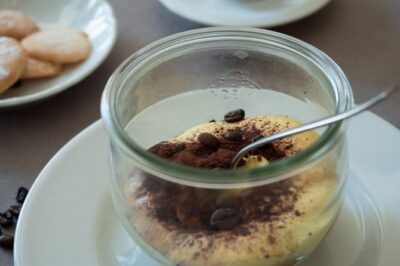
After the pasta, you prepare tiramisu. This is a smart choice for a cooking class because it adds a second part of Italian food culture without turning the activity into a long professional pastry course.
Tiramisu is widely recognized, but making it yourself helps explain why the dessert depends on balance. The coffee, cream, and soft layers need to work together, and the final result is closely tied to how the ingredients are handled. The class presents it as an iconic Italian dish, alongside the pasta rather than as a decorative extra.
I also like the rhythm of the menu. Pasta gives you a physical, flour-on-your-hands task. Tiramisu provides a calmer preparation for the final course. Together, they make the three-hour session feel varied.
One practical point: the supplied details do not specify the exact ingredients, recipe variations, or whether substitutions are available. If you have food allergies or special dietary needs, ask before booking instead of assuming the standard recipe can be changed.
Eating together after the work is done
The natural payoff is sharing the food you helped prepare. The experience is built around conversation and a communal meal, so the cooking does not end when the dough is shaped.
I think this is where the home setting matters most. In a restaurant kitchen lesson, the meal can feel like the final stage of a paid activity. In a family home, sitting down with the host connects the recipes to the people who cook them.
The strongest personal accounts describe warm welcomes from Gabriella and Arturo, along with time spent learning from their daughters. Another class took place in a beautiful home and included ravioli and tiramisu. These details suggest that the atmosphere can be a major part of the experience, but you should remember that host personalities and homes vary.
The class ends back at the meeting point. You are not being taken on a wider sightseeing route through Bassano del Grappa, so book it for the food and the household setting, not for a guided tour of the town.
Why the home setting adds value
A local home gives you a different view of Italy than a restaurant meal. You see how recipes are explained by someone who learned them through family practice, and you have more room for the small stories and habits that often disappear in a formal demonstration.
The food also carries a sense of place. The organizing network describes its recipes as dishes cooked by Italian families over generations, tied to local culture and history. That does not mean every detail will be presented as a lecture. Instead, the cultural context comes through the act of cooking and eating together.
I would choose this experience for a first visit to the area if you want one evening that feels personal and relaxed. It can also suit repeat visitors who have already seen the major sights and want to spend time with local people.
The tradeoff is that a home experience has less predictability than a commercial kitchen. The exact host, home layout, pace, and teaching style may differ. That is not a flaw, but it is worth understanding before you book.
Getting to the meeting point in Bassano del Grappa
The meeting point is listed in Bassano del Grappa, postal code 36061, in the Province of Vicenza. The general location information also refers to Treviso, so do not rely on the broader city label when planning your day. Confirm the exact address and route before you set out.
The activity is near public transportation, but one account shows why you should still allow time for the final connection. A participant was initially worried because the host’s home was in the countryside and seemed difficult to reach without a car. Gabriella’s daughter kindly met her at a local station and returned her there afterward.
That kind of help can make a big difference, but you should not assume every booking includes a station pickup. Treat it as a useful example of the hosts being attentive, not as a guaranteed transfer service.
If you are traveling by public transport, ask for clear directions as soon as you receive the meeting information. A mobile ticket is provided, and booking confirmation is sent at the time of reservation, but the ticket does not replace planning the journey to a residential address.
Is $114.60 a fair price?
At $114.60 per person, this is more expensive than simply eating pasta and tiramisu at a local restaurant. The comparison is not quite fair, though. Your payment covers roughly three hours of instruction, hands-on preparation, multiple dishes, an aperitivo, and the chance to eat in a private home.
I see the strongest value in the skills. You learn to roll fresh dough, make two pasta types, and prepare tiramisu. If you use those methods at home later, the class continues paying you back through meals rather than ending with one restaurant bill.
The price makes less sense if you mainly want a quick meal or a polished chef demonstration. You will spend time handling ingredients and working through the process. That is the point, but it requires more effort than sitting down to dinner.
For couples, families, and small groups of friends, the social value may justify the cost. Solo participants can also fit in well because the aperitivo and shared format make it easier to meet people. Just remember that the advertised maximum is 12, so the experience is not guaranteed to be a private class.
Who will enjoy this most?
I would recommend it to you if you enjoy food, conversation, and practical activities. It is a particularly good choice for:
- People who want to learn fresh pasta from the beginning
- Couples looking for a shared activity beyond sightseeing
- Families with an interest in Italian food traditions
- Solo visitors who like meeting people around a table
- Repeat visitors seeking a local household experience
- Anyone who wants to make both a main course and dessert
I would hesitate if you dislike group activities, do not want to cook, or need a tightly scheduled sightseeing experience. The home location also calls for extra transport planning, especially if you are staying away from Bassano del Grappa.
Sanitary equipment is provided in the homes, including paper towels and hand-sanitizing gel. The guidance also asks people to maintain one meter of distance and wear masks and gloves when that distance cannot be maintained. These procedures may change with local conditions, so check the current instructions before attending.
You can cancel for a full refund up to 24 hours before the start time. Changes made within 24 hours are not accepted for a refund, and the activity requires a minimum number of participants. If that minimum is not reached, you are offered another date or experience, or a full refund.
Should you book the Bassano del Grappa pasta class?
Book it if you want more than a meal. The best parts are the hand-rolled sfoglia, the chance to make both filled and unfilled pasta, and the warm home setting supported by hosts such as Gabriella and Arturo.
Before paying, confirm that Bassano del Grappa fits your plans, not just Treviso. Ask for the precise home address, check the public transport route, and allow time for the final connection. If you are happy with a shared class and a little uncertainty about the exact host, this offers a friendly way to connect Italian food with everyday family life.
FAQ
Where does the pasta and tiramisu class take place?
The meeting point is in Bassano del Grappa, postal code 36061, in the Province of Vicenza, Italy. The experience takes place in a selected local home.
How long does the cooking class last?
The activity lasts approximately three hours.
What will I learn to cook?
You learn to roll fresh pasta dough by hand, prepare two types of pasta from scratch, including filled pasta, and make tiramisu.
How many people can join the class?
The maximum group size is 12 participants.
Is public transportation available near the activity?
The experience is near public transportation. One participant was helped to and from a local station by the host’s daughter, but pickup and return should not be treated as a guaranteed service.
Can I cancel for a full refund?
Yes. You can cancel at least 24 hours before the experience start time for a full refund. Cancellations or changes made less than 24 hours before the start time are not refunded.
Just added around Italy
- Verona: Tortellini Cooking Class and Lunch with Mamma Ivana★ 5.0 · 20 reviews
- Volterra: Fresh Pasta Cooking Class at a Tuscan Farmhouse★ 5.0 · 33 reviews
- Vicenza: Pasta & Tiramisu Cooking Class at a Local’s Home★ 5.0 · 5 reviews
- Verona: Pasta & Tiramisu Cooking Class at a Local’s Home★ 5.0 · 16 reviews
- Verona: Pasta Cooking Class with Wine Tasting★ 5.0 · 4 reviews
- Venice: Share Your Pasta Love in a Local’s Home★ 4.8 · 20 reviews
- Verona: Prosecco and Pasta Making Class at a Local’s Home★ 5.0 · 10 reviews
- Verona: My Granny’s secrets making gnocchi★ 5.0 · 7 reviews
Tiramisu Classes, compared.
3 in 1 Cooking Class near Navona: Fettuccine, Ravioli & Tiramisu
Read our review →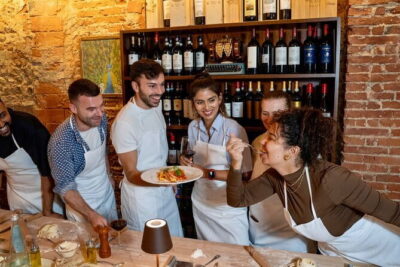
Pasta & Tiramisu Cooking Class with Unlimited Wine
Read our review →
Pasta & Tiramisu Class with Fine Wine by the Vatican
Read our review →
3-in-1 Fettuccine, Ravioli, and Tiramisu Cooking Class
Read our review →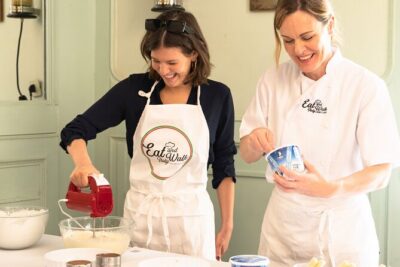
Learn to Make Pasta & Tiramisu with Wine and Limoncello Included
Read our review →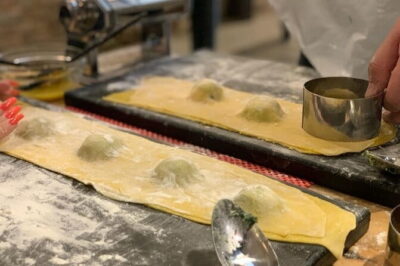
Cooking Class Pasta & Tiramisu Making Unlimited Wine
Read our review →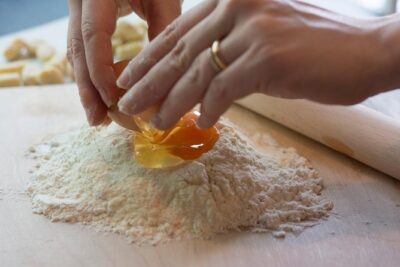
Become a Masterchef in Rome: Pasta, Ravioli and Tiramisù Class
Read our review →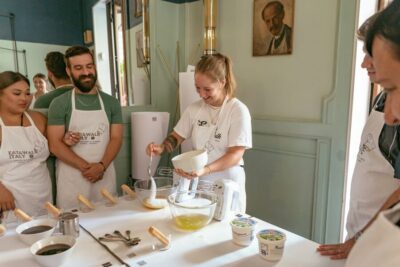
Fettuccine & Tiramisù: Cooking Class with Wine & Limoncello
Read our review →Browse the lists this tour appears in