
Review · AREZZO
Traditional Tuscan Pasta & Tiramisu Masterclass in Arezzo
Roll pasta, then eat the evidence. This three-hour Arezzo class brings you into a local home to make pici with garlic sauce, potato tortelli, and tiramisu from scratch. I like the hands-on format and the small group, capped at six people, because you get more than a cooking demonstration. You actually handle the dough, cook the food, and sit down to eat it.
I also like the warm beginning: an Italian aperitivo before the work starts, followed by local wine, water, and coffee with the meal. The main consideration is the price, $177.52 per person. That is a serious sum for a three-hour activity, so this makes the most sense if you value a personal home visit and a full meal, not just a quick pasta lesson.
Key points at a glance
- Three classic dishes in one class: Make pici, potato tortelli, and tiramisu, then eat what you prepared.
- A local home setting: The class takes place in a private home rather than a formal cooking school.
- Aperitivo and drinks included: Begin with an Italian pre-meal drink and finish with local wine, water, and coffee.
- Small group of six maximum: The limited size should allow closer guidance while you roll, shape, and cook.
- English-language instruction: The experience is offered in English and includes a mobile ticket.
- Arezzo meeting point: Start at Via Cavour in central Arezzo and return there when the class ends.
Why this Arezzo cooking class feels different
A pasta class can mean many things in Italy. Sometimes you watch a chef work in a professional kitchen, then taste a small portion. Here, the appeal is more domestic. You enter a local home, meet an experienced home cook, and learn family methods in the place where this food belongs.
That setting matters. Pici is not polished restaurant pasta. It is a thick, hand-rolled Tuscan noodle with a rustic shape. The charm comes from making each strand yourself, rather than producing identical pieces by machine. You should expect flour on the table and noodles that are not perfectly uniform. That is part of the point.
The class also gives you a meal with a clear beginning, middle, and end. You start with an Italian aperitivo, work through the pasta, prepare dessert, and then sit down with wine, water, and coffee. For me, that makes the three-hour schedule feel like a social evening rather than a single cooking task.
The maximum group size is six. That is one of the strongest practical features. In a larger class, you may spend much of your time waiting for a turn or watching someone else handle the dough. With six people or fewer, you have a better chance to ask questions and get direct help with shaping pasta and assembling the dishes.
More Tiramisu Classes in Italy:
- 3 in 1 Cooking Class near Navona: Fettuccine, Ravioli & Tiramisu
★ 5.0 · 7,376 reviews - Florence: Pasta & Tiramisu Cooking Class with Unlimited Wine
★ 4.9 · 6,708 reviews - Rome: Pasta & Tiramisu Class with Fine Wine by the Vatican
★ 4.9 · 4,852 reviews
Meeting the host on Via Cavour
The class begins at Via Cavour, 52100 Arezzo AR, Italy, and ends at the same meeting point. The location is near public transportation, which is useful if you are visiting Arezzo without a car.
The supplied details do not specify the exact apartment entrance, floor, or walking directions beyond the Via Cavour address. I would check the booking confirmation carefully on the day of the class and allow a little time to find the correct door. A mobile ticket is provided, so you can keep the confirmation on your phone rather than print anything.
The home setting means this will not feel like entering a clearly marked tourist attraction. You are meeting someone at a residential address. That can be part of the fun, but it also means you should pay attention to instructions from the host and arrive at the stated meeting point on time.
The hosts connected with this experience have included Alfredo and Orlanda, as well as Dina and her family. The descriptions of these visits emphasize a friendly welcome and a relaxed atmosphere. You may not have the same host every time, but the format is designed around personal hospitality rather than a formal lecture.
Starting with an Italian aperitivo
The first part of the class is an aperitivo. In Italy, this is a light drink and small bite before the main meal, not a full dinner. Here it serves a practical purpose: it gives you time to meet the host, settle into the home, and get comfortable with the group before working with dough.
I like this opening because it removes some of the pressure from the cooking lesson. You are not rushed straight into flour and instructions. Instead, the class begins as a shared meal in progress.
The information provided does not name the specific aperitivo foods or drinks. Do not expect a detailed menu in advance. If you have allergies, dietary restrictions, or strong dislikes, ask about them before booking or as soon as you meet the host. No special dietary arrangements are listed.
Rolling pici, the Tuscan noodle
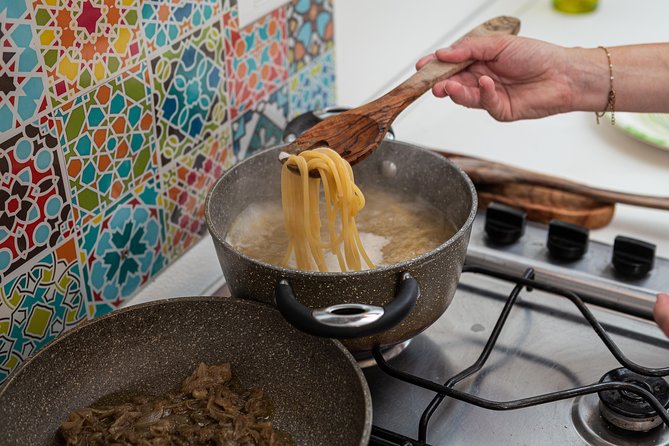
Pici is likely to be the most memorable part of the cooking session. These homemade noodles are thick, irregular, and traditionally rolled by hand. You work the dough into long strands rather than cutting neat ribbons with a pasta machine.
The technique is simple in theory, but your hands quickly reveal why practice matters. A noodle can become too thin, too thick, or uneven. That is not a failure. Pici is forgiving by nature, and its handmade shape is one reason it works so well in a home kitchen.
The finished dish is pici with garlic sauce. The sauce is not described in greater detail, so you should not assume additional ingredients or a particular regional variation. What you can count on is a straightforward pairing that lets the pasta do most of the work.
I especially like this part for anyone who wants a skill to take home. You may not remember every measurement, but you will understand the feel of the dough and the basic motion used to make the noodles. That is more useful than simply photographing a finished plate.
A small group should help here. You can watch another person begin a strand, then try it yourself with room for correction. The class descriptions also refer to local ingredients, including produce from a host’s garden. Availability can change, but that detail points to the kind of cooking this class aims to show: simple food tied to what is close at hand.
More Chef-Led Pasta Classes in Italy:
- Rome Cooking Class: Make Pasta, Dine & Drink Wine With Local Chef
★ 5.0 · 1,263 reviews - 2-in-1 Pasta and Tiramisu Cooking Masterclass in Rome
★ 5.0 · 832 reviews - Pasta Fettuccine, Ravioli and Tiramisu MasterClass
★ 5.0 · 391 reviews - Pasta and Pizza Master Class with Pick Up in Sorrento
★ 5.0 · 380 reviews
Shaping potato tortelli
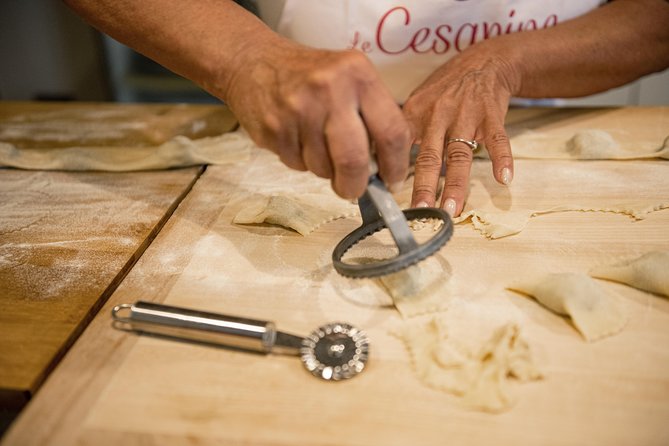
The second main dish is potato tortelli. Tortelli are filled pasta parcels, and potato gives the filling a soft, hearty center. The work here is different from pici. Instead of rolling long noodles, you shape pasta around a filling and try to seal it properly.
That contrast makes the menu well planned. You learn one rustic noodle and one filled pasta, so the class covers two distinct skills in a single session. You also get a better sense of how Italian pasta changes by region and purpose.
The supplied information does not identify the tortelli sauce, the exact filling ingredients beyond potato, or the shape used for each parcel. I would treat the listed menu as the firm guide and not expect a fully detailed recipe sheet unless the host provides one.
The practical lesson is in the handling. Pasta that is too thick can make the tortelli heavy. Filling that is placed too close to the edge can make sealing difficult. These are small kitchen problems, but they are exactly the kind of thing you learn faster by doing than by reading.
You may find that this portion takes more patience than the pici. That is normal. The reward is a dish that feels distinctly handmade once it reaches the table.
Making tiramisu from scratch
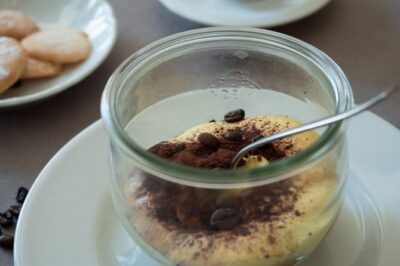
Dessert is tiramisu, one of Italy’s best-known sweets. It gives the class a change of pace after the pasta work. Instead of rolling and sealing dough, you assemble a layered dessert with a softer texture and a different rhythm.
The experience description does not list the recipe or preparation steps, so I would not assume a particular style of tiramisu. Still, making it yourself adds value because you see how the dessert comes together before tasting it at the end of the meal.
Tiramisu is also a good group dish. While the pasta requires close handwork, dessert preparation creates an easier moment for conversation. You can compare results, ask about the host’s family methods, and enjoy the less hurried side of the class.
Coffee is included after the meal, which fits naturally with the dessert. Water and local wines are also provided. If you do not drink alcohol, the listed inclusions still give you water and coffee, but the available nonalcoholic options beyond those are not specified.
Sitting down to eat what you made
The meal is the payoff, but it is not the only payoff. After preparing pici, potato tortelli, and tiramisu, you taste everything together with the host and the rest of the group.
This is where the home format matters most. In a restaurant cooking class, you may cook in a teaching kitchen and then leave. Here, the meal is built into the visit. The food you eat has a direct connection to the work you just completed.
The included local wine adds to the regional character, though the exact wines are not named. You should expect a simple pairing rather than a formal wine tasting. Water and coffee round out the meal, so you are not left paying extra for the basic drinks listed in the experience.
Past participants have placed strong emphasis on the meal itself, especially the pleasure of eating food they had just prepared. That makes sense. Even an imperfect tortello tastes better when you know how much handwork went into it.
How the hosts shape the evening
A home cooking class depends heavily on the person who welcomes you. The strongest descriptions of this experience focus on Alfredo and Orlanda treating visitors like family, and on Dina and her family creating a relaxed welcome from the moment people entered the home.
That is useful information when deciding what kind of activity this is. You are not buying a technical cooking course with a fixed professional kitchen and standardized presentation. You are choosing a personal encounter that depends partly on the host’s style.
For me, that is both the main attraction and the main variable. A warm host can turn a basic recipe into a memorable evening. At the same time, home-based experiences can feel less polished than a commercial class. The details of the room, pacing, and conversation may vary.
The small group helps protect the personal feel. Six is still enough for conversation but small enough for the host to keep an eye on everyone’s work. If you want a quiet, private lesson for just your own party, this may not be the right format because the class can include other people.
Is $177.52 a fair price?
At $177.52 per person, this is not a bargain cooking demonstration. The value comes from the full package: about three hours, instruction in English, a home visit, three dishes, aperitivo, local wine, water, coffee, and the meal you prepare.
I would compare it with the cost of a good dinner plus a separate class. You are not only paying for ingredients. You are paying for time with a local host, a limited group size, instruction, and the chance to practice traditional techniques.
The price is easier to justify if you have a special interest in food or want an evening built around personal contact. It is harder to justify if you mainly want to sample Tuscan pasta cheaply. Arezzo has restaurants where you can eat pasta without spending this much or giving up three hours to a class.
The maximum of six is important to the value calculation. A large class at the same price would feel less attractive. Here, the smaller group should give you more direct attention and a better chance to speak with the host.
Who should book this class?
I would recommend it to you if you enjoy learning by doing, like meeting local people, and want a meal that feels connected to a real home kitchen. It is also a good choice for couples, families, and small groups who want a shared activity in Arezzo.
Pasta fans should get the most from it, especially if you have never made pici or filled pasta by hand. The class also suits anyone who wants a break from museum visits and sightseeing. Three hours at a kitchen table can be a welcome change after a day on your feet.
You may want to think twice if you dislike group activities, do not eat pasta or tiramisu, or expect a formal chef-led lesson with a detailed published menu. The experience is offered in English, but the available information does not describe other languages.
Free cancellation is available if you cancel at least 24 hours before the local start time. Cancellations or changes made less than 24 hours ahead are not accepted for a refund, so keep that deadline in mind when planning your Arezzo schedule.
The final call on this Arezzo pasta class
I would book this class if you want personal hospitality, hands-on pasta work, and a complete meal rather than a quick demonstration. The six-person limit, home setting, and included drinks give the experience a more intimate shape than a standard group cooking lesson.
I would skip it if the $177.52 price feels too high for dinner and instruction, or if you need guaranteed dietary details that are not provided. For the right person, though, rolling pici, shaping potato tortelli, and finishing with tiramisu can turn an ordinary evening in Arezzo into one you remember long after the last coffee.
FAQ
Where does the cooking class begin?
It begins at Via Cavour, 52100 Arezzo AR, Italy.
Where does the experience end?
The activity ends back at the meeting point on Via Cavour.
How long does the class last?
The experience lasts approximately three hours.
What dishes will I prepare?
The menu includes pici, homemade Tuscan noodles with garlic sauce, potato tortelli, and tiramisu.
Is the food included after cooking?
Yes. You taste everything you prepare after the class.
Are drinks included?
Local wines, water, and coffee are included. An Italian aperitivo is also served at the beginning.
Is the class offered in English?
Yes. The experience is offered in English.
How many people can join?
The class has a maximum of six people.
Is a mobile ticket available?
Yes. A mobile ticket is provided, and confirmation is received at the time of booking.
Can I cancel for a full refund?
Yes, if you cancel at least 24 hours before the experience start time. Cancellations or changes made less than 24 hours before the start time are not accepted for a refund.
Just added around Italy
- Verona: Tortellini Cooking Class and Lunch with Mamma Ivana★ 5.0 · 20 reviews
- Volterra: Fresh Pasta Cooking Class at a Tuscan Farmhouse★ 5.0 · 33 reviews
- Vicenza: Pasta & Tiramisu Cooking Class at a Local’s Home★ 5.0 · 5 reviews
- Verona: Pasta & Tiramisu Cooking Class at a Local’s Home★ 5.0 · 16 reviews
- Verona: Pasta Cooking Class with Wine Tasting★ 5.0 · 4 reviews
- Verona: My Granny’s secrets making gnocchi★ 5.0 · 7 reviews
- Venice: Share Your Pasta Love in a Local’s Home★ 4.8 · 20 reviews
- Verona: Prosecco and Pasta Making Class at a Local’s Home★ 5.0 · 10 reviews
Tiramisu Classes, compared.
3 in 1 Cooking Class near Navona: Fettuccine, Ravioli & Tiramisu
Read our review →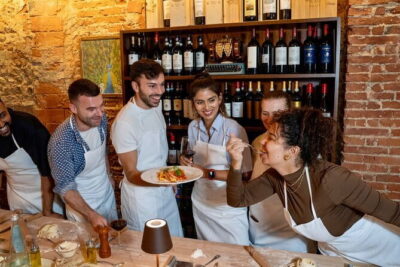
Pasta & Tiramisu Cooking Class with Unlimited Wine
Read our review →
Pasta & Tiramisu Class with Fine Wine by the Vatican
Read our review →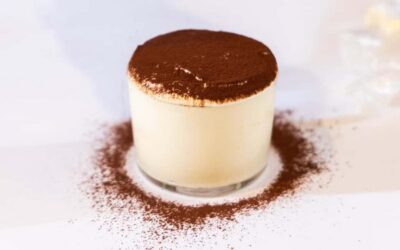
3-in-1 Fettuccine, Ravioli, and Tiramisu Cooking Class
Read our review →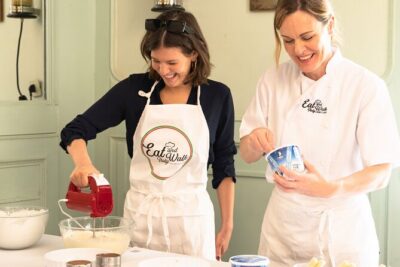
Learn to Make Pasta & Tiramisu with Wine and Limoncello Included
Read our review →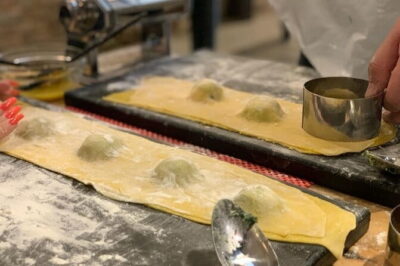
Cooking Class Pasta & Tiramisu Making Unlimited Wine
Read our review →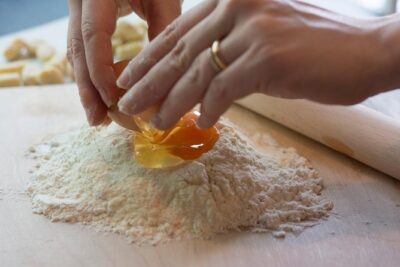
Become a Masterchef in Rome: Pasta, Ravioli and Tiramisù Class
Read our review →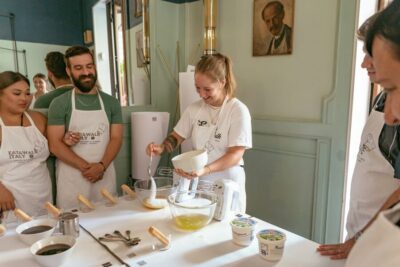
Fettuccine & Tiramisù: Cooking Class with Wine & Limoncello
Read our review →Browse the lists this tour appears in